Service detailsHow to Settle Your TRO or Prop 65 Case and Release Amazon or Walmart Funds
Is Amazon holding seller funds because you have been sued for intellectual property infringement? Defending a lawsuit can cost you up to six figures. For a low fee, we will help you negotiate a reasonable settlement, avoid those legal costs, and get your funds released. Other firms charge as much as $15,000 for this service. Call us now! We are not afraid to get your money back! 
4.9 rating out of 274 reviews
Vertical Divider
|
|
Unfreeze Your Amazon Funds After a TRO or Prop 65 Case
Facing a lawsuit and frozen funds? We help Amazon sellers negotiate affordable settlements and get their money back fast.
- **Avoid legal costs:** Settle for less than a legal defense
- **Fast turnaround:** Get your funds released in weeks
- **Expertise in TRO & Prop 65:** Experienced Amazon seller attorneys
- **Free consultation:** Discuss your case and get options
Don't wait! Contact us now to protect your business and recover your funds.
Get Your Free Consultation Now!How to Resolve Temporary Restraining Order (TRO) Cases and Unlock Frozen Amazon Seller Funds
Service Overview: Amazon TRO Settlement and Sales Fund Release Services
Are you an Amazon seller grappling with frozen funds due to intellectual property infringement allegations? Facing a legal battle can potentially set you back by six figures in legal costs. Our specialized TRO settlement services, available for a competitive fee, enable you to negotiate reasonable agreements to avoid exorbitant legal expenditures and access your locked Amazon seller funds promptly. Compared to other firms charging up to $15,000, our fees are more economical. Contact us now for expertise you can trust to reclaim your funds.
Amazon Seller Legal Protection: Navigating Complex Amazon TRO Issues
At Amazon Sellers Attorney, we specialize in guiding Amazon sellers through the labyrinth of legal complexities inherent to the platform. Our team of experienced Amazon TRO attorneys are adept at swift and cost-effective resolution of TRO issues, ensuring the timely release of your Amazon sales revenue. We're well-acquainted with the particular obstacles you face in managing Amazon legal challenges and are equipped to negotiate equitable settlements while skirting the towering costs associated with legal defense.
Expert Services Offered by Our Amazon TRO Settlement Attorneys
- Fast TRO Resolution: Our expertise accelerates the TRO settlement process, allowing for the speedy and cost-effective unfreezing of your Amazon sales funds, thereby securing your seller account and financial wellbeing.
- Intellectual Property Rights Resolution: Specializing in resolving copyright, patent, and trademark infringement cases, we aim to keep your Amazon business both lucrative and within legal bounds.
- Amazon Platform Legal Consultation with Licensed Attorney: Receive invaluable legal advice geared to help you understand the nuances of Amazon’s selling platform, keeping you abreast of your seller rights and responsibilities.
- Settlement Negotiation Expertise: Rely on our team of seasoned lawyers to hammer out a fair settlement for you, saving you from burdensome legal defense costs.
Protect Your Amazon Business and Financial Interests
Our tailor-made services are engineered to spare you the financial strain of expensive legal disputes and preserve your Amazon selling privileges. Don't let TROs and lawsuits threaten your Amazon business stability. Contact us today for more information on our TRO settlement services, designed to protect your Amazon seller account and guarantee the expedient release of your frozen sales revenue.
Comprehensive Legal Solutions for Amazon Sellers
At AMZ Sellers Attorney®, we recognize your Amazon enterprise as a critical component of your financial portfolio. That's why our attorneys offer extensive legal services tailored to help you navigate the multifaceted world of Amazon, while ensuring your business interests remain secure. Our budget-friendly TRO settlement solutions aim to help you sidestep financially draining legal conflicts and uphold your rights as an Amazon seller.
Get Your FREE Consultation Now
Contact Us Today to Unlock Your Amazon Success and Get Back to Business!
What is California's Proposition 65 and What Does it Mean to Third-Party Sellers?
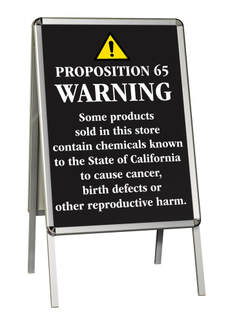
California's Proposition 65, officially known as the Safe Drinking Water and Toxic Enforcement Act of 1986, is a law that requires businesses to warn consumers about products that contain chemicals known to the state to cause cancer or reproductive harm. The law applies to all businesses that sell products in California, including third-party sellers on Amazon and Walmart.com.
How do third-party sellers run afoul of Proposition 65's provisions?
- Selling products that contain chemicals on the Proposition 65 list without providing a warning label.
- Providing a warning label that is not clear and reasonable.
- Selling products that are exempted from Proposition 65 but do not meet the exemption criteria.
How Attorneys File Proposition 65 Lawsuits on Behalf of "Private Attorney Generals"
Private attorney generals are individuals or organizations that file lawsuits on behalf of the public to enforce environmental laws. Under Proposition 65, private attorney generals can file lawsuits against businesses that violate the law. Typically, they will file suit against the third-party sales platform, such as Amazon or Walmart, whose contracts with sellers contain an indemnity clause, requiring you to reimburse their attorney's fees as well. These private attorney generals can be compensated for their efforts in collecting Proposition 65 fines, and their attorney's fees are also collected in the lawsuits.
What Defense Costs and Attorney Fees are Involved Fighting a Prop 65 Lawsuit?
The defense costs and attorney's fees involved in fighting a Proposition 65 lawsuit can be significant. In some cases, these costs can exceed the amount of any potential damages award. Attorney's fees upward of $25,000 to $50,000 or more are not unusual, and this does not include reimbursing the private attorney general's attorney's fees, which could be even more.
Why is it Better to Settle Proposition 65 Cases Early?
There are a number of reasons why it is better to settle Proposition 65 claims early, including:
- To avoid the risk of a large damages award.
- To avoid the costs and disruption of a lawsuit, which include freezing of funds by the third-party platform, fines, seller's attorney fees, Amazon's or Walmart's attorney fees, and attorney's fees and costs of the private attorney general who brings the lawsuit.
- To protect the seller's reputation.
How Can AMZ Sellers Attorney® Help Sellers Sued for Prop 65?
AMZ Sellers Attorney® can help sellers who find themselves sued for a violation of Proposition 65 by:
- Reviewing the case and assessing the seller's legal risks.
- Developing a defense strategy.
- Negotiating a settlement with the plaintiff.
- Representing the seller in court if necessary.
Key Takeaways
If you are a third-party seller on Amazon or Walmart and you have been sued for a violation of Proposition 65, it is important to contact an experienced attorney immediately. AMZ Sellers Attorney® can help you to protect your rights and interests.