
How to Get Your Brand Listed in Amazon Brand Registry
Want an Amazon registered brand? Get Help from a US licensed attorney to get your brand on Amazon's Brand Registry.
Call us now!
Protect Your Brand on Amazon with Trademark Registration
We refer you to a U.S.-licensed trademark attorney, the equivalent of an Amazon IP Accelerator Attorney to register your brand and enroll in Amazon's Brand Registry.
- **First step:** Trademark registration with USPTO
- **International brands:** US attorney support available
- **Brand protection:** Combat counterfeits and control listings
- **Free consultation:** Get expert advice on brand protection
**Why choose us?**
- Experienced attorney handles entire process
- Free USPTO office action responses
- Extensive conflict search and legal strategies
- Competitive fixed fees
**Benefits of trademark registration:**
- Protects your brand from counterfeiting
- Become Brand Registered
- Opens doors for business expansion
- Enroll in Amazon's Brand Registry
Welcome to the Brand Dashboard: Your Guide to Amazon's Brand Registry in the USA
Embark on a crucial journey to build your brand and protect its identity, logo, and products on Amazon's marketplace. Our skilled Amazon Trademark Lawyer is here to guide brand owners through every step of the process.
Trademark Registration: Your First Step to Build Your Brand
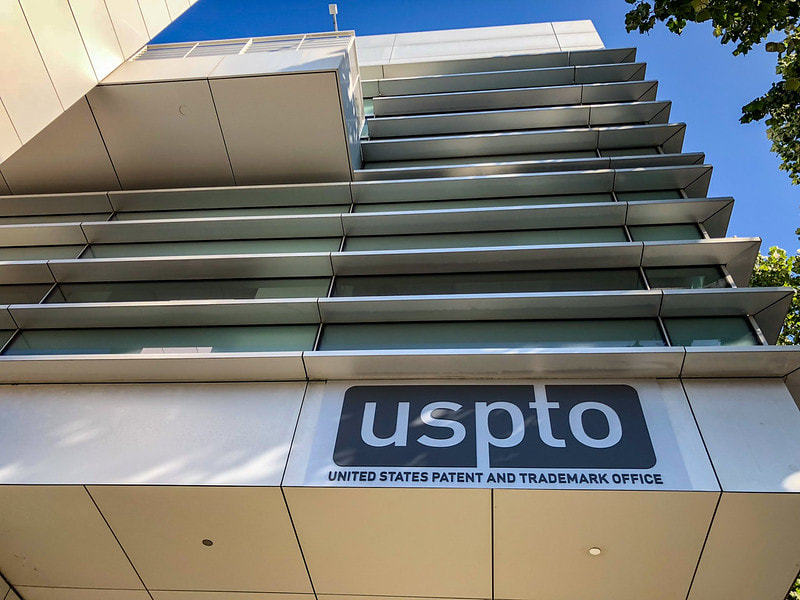
To enroll in Amazon's Brand Registry Program, the initial step for brand owners is trademark registration. This involves filing an application with the United States Patent and Trademark Office (USPTO). Our expert trademark attorneys on referral will conduct a thorough search to ensure the uniqueness of your trademark and provide assistance with any inquiries from the trademark examiner.
Support for International Brand Owners
For businesses located outside the United States, US licensed Amazon Trademark Attorneys are ready to represent you in the trademark registration process. They offer comprehensive services including filing your federal trademark application, responding to USPTO Office Actions, and providing continuous support throughout and after the application process. They also undertake detailed research to identify potential conflicts and develop legal strategies to overcome any challenges.
Amazon brand registry: Legal tips for protecting your brand
Once your trademark application is filed, you become eligible to enroll in Amazon's Brand Registry Program. This program is a key step to build your brand on Amazon, offering immediate protection in the marketplace. The Brand Registry Program helps in combating counterfeit products, controlling unauthorized sellers, and enhancing your product listings with enriched brand content. Remember, having a registered trademark is an essential prerequisite for eligibility in the Brand Registry Program.

Protect Your Brand Today
While Amazon brand gating was initially open to smaller brands, it is now reserved for larger brands. Nevertheless, smaller brands can still secure protection and improved brand content on their listings by enrolling in the Amazon Brand Registry. Eligibility for the Amazon Brand Registry necessitates having a registered trademark. Non-US sellers require a U.S. trademark attorney, while US sellers are strongly advised to utilize one. Our Amazon attorneys on referral provide a comprehensive service at a low fixed fee
- A licensed U.S. attorney files your federal trademark application.
- The attorney addresses USPTO Office Actions free of charge and monitors the application throughout its lifespan.
- The attorney is available to answer your queries before and after filing.
- An extensive USPTO database and common law conflict search is performed by a licensed attorney. A free second search on an alternative mark is provided if needed.
- The attorney researches, drafts, and files any legal argument that might be required to overcome a major USPTO Office Action.
“We strongly encourage you to hire a U.S.-licensed attorney who specializes in trademark law to guide you through the registration process” – USPTO
Benefits of Trademark Registration and Business Development
A registered trademark serves as a valuable asset to your business. It not only shields your brand from counterfeiting but also paves the way for business growth through franchises and licensing opportunities. Furthermore, a registered trademark grants access to Amazon's Brand Registry, giving you an edge over competitors on the platform.
Trademark Benefits and Business Development
A registered trademark is a valuable business asset. It not only protects your brand from counterfeiting but also opens doors for business expansion through franchises and licensing opportunities. Additionally, a registered trademark provides access to Amazon's Brand Registry, giving you a competitive advantage on the platform.A trademark consists of your brand name, slogans, and logos, which helps identify a specific product or group of products, or services. A registered trademark is a valuable business asset that not only clears the market of counterfeits or prohibits the import of counterfeit goods but also serves as a foundation for business development and expansion through franchises and licenses. It also grants access to Amazon's Brand Registry.
|
Click to set custom HTML
|
Importance of Hiring a Trademark Attorney:
The trademark registration process can be complicated, which is why we ardently recommend retaining a U.S.-licensed attorney specializing in trademark law. Our Amazon attorney possesses the expertise to steer you through the registration process, ensure your trademark is secure, and help you reap the benefits of Amazon's Brand Registry. If you are foreign-domiciled, you are obliged to use the services and be represented at the USPTO by an attorney who is licensed to practice law in the United States – email us for assistance at [email protected] or submit your case for a free consultation. Please be aware that foreign attorneys and non-attorneys are not permitted to participate in the trademark registration process. If you are a U.S. resident, you can apply independently, but we highly recommend hiring a licensed trademark attorney. Protect your Amazon brand from hijackers and ruthless competitors by registering your copyrights, trademarks and trade names and design or utility patent registration. Qualify for Amazon's brand registry. We have a full service intellectual property law firm who handles copyright, patent and trademark registration. If you need an Amazon Intellectual Property Lawyer call now. Our fees for patent and trademark registration are competitive and fixed. |
Contact Us Today for a Free Consultation
Contact us today for a free trademark consultation. Our experienced attorney will assess your trademark needs, answer your questions, and provide guidance on the best path forward to protect your brand on Amazon's marketplace.
Registering your trademark and joining Amazon's Brand Registry is vital for brand protection and business growth on Amazon.com. Our experienced Amazon attorney will provide comprehensive trademark services and guide you through the trademark application process. Take the first step in securing your brand's success by contacting us for a free consultation.
Registering your trademark and joining Amazon's Brand Registry is vital for brand protection and business growth on Amazon.com. Our experienced Amazon attorney will provide comprehensive trademark services and guide you through the trademark application process. Take the first step in securing your brand's success by contacting us for a free consultation.
How AMZ Sellers Attorney® Supports Rights Owners
AMZ Sellers Attorney® offers specialized legal assistance for rights owners facing challenges with trademark applications or disputes with other rights owners. Whether your application has been denied or you need to take action against infringement or trademark usurpation, our team is here to help.
Application Denial Support: If your trademark application has been denied, AMZ Sellers Attorney® can provide expert guidance on how to appeal the decision or navigate the complexities of reapplication. Our team will work with you to address any issues identified by the Trademark Office and strengthen your application.
Trademark Dispute Resolution: For rights owners confronting trademark usurpation or infringement, AMZ Sellers Attorney® is equipped to represent your interests before the Trademark Trial and Appeals Board (TTAB). From filing oppositions to petitions for cancellation, our experienced legal team will advocate on your behalf to protect your trademark rights.
Protecting your brand and intellectual property is crucial in today's competitive market. Let AMZ Sellers Attorney® be your ally in securing and defending your trademark rights. Contact us for a consultation and take the first step towards safeguarding your brand.
CONTACT DETAILS:Amazon Sellers Attorney, Ltd.
9350 Wilshire Blvd. suite 203 Beverly Hills, CA 90212 نتحدث العربية
Türkçe konuşuyoruz Nous parlons français 🇫🇷 Мы говорим по русски 🇷🇺 Se habla español 🇪🇸 我們說中文 🇨🇳 |
SERVICES:Amazon Appeals
Inauthentic Item Suspensions Multiple/ Related Account Suspensions Amazon Verification Suspensions Forged or Manipulated Documentation Defending Buyer Complaints Plan to Prevent Suspension Intellectual Property (IP) Law Reinstating ASIN Fraud or Illegal Activity Hacked Account Listing Hijackers DMCA Lawyers Amazon Arbitration |
PAYMENTS:We accept payments from all major credit cards and also by ACH transfer through BlueSnap. Our purchase currency is US Dollar (USD). Payments made through our site are secure.

|

AS REPORTED IN:

|

|

|

|

|
Copyright © 2024 AMZ Sellers Attorney ® All Rights Reserved. Privacy Policy