AMZ SELLERS ATTORNEY®
  • Consultation
  • News
  • Services
    • Amazon Appeal Process >
      • Amazon Appeal Inauthentic Item Suspension
      • Amazon Appeal ODR Suspensions
      • Amazon Appeal OTDR Suspensions
      • Amazon Unsuitable Inventory Investigation Appeal
      • Amazon Intellectual Property Infringement
      • Amazon Related Account Appeals
      • Amazon Restricted Product Appeals
      • KDP & ACX Account Termination Appeals | AMZ Sellers Attorney®
      • Appeal Amazon Verification Suspension
      • Amazon Drop Shipping Policy Appeals
      • FBA Reimbursement Abuse Suspensions| Appeals
      • Amazon Relay Account Suspended? Appeal and Get Truckin!
      • Amazon Appeal VTR Suspensions
      • Amazon Safety Complaint Appeals
      • Amazon Sales Velocity Suspension Appeals
      • Amazon Sales Rank Manipulation Appeals
      • Amazon Price Gouging/Fair Pricing Suspensions Appeals
      • Amazon Review Manipulation Suspension Appeals
      • Amazon Variation and PDP Abuse Appeals
      • Amazon Forged or Manipulated Documentation Appeals
      • Amazon Fraud or Illegal Activity Deactivation Appeals
      • Amazon Account Hacked Suspension Appeal
      • Amazon Funds Appeal
      • Amazon Mechanical Turk Suspension Appeals
    • How to Resolve Amazon TROs & Unlock Seller Funds | AMZ Sellers Attorney®
    • Settle Prop 65 Claims & Unfreeze Amazon Funds | AMZ Sellers Attorney®
    • Amazon Arbitration Lawyers | Sue Amazon & Win with AMZ Sellers Attorney®
    • Amazon Brand Registry: Protect Your Brand
    • Expert E-Commerce Legal Services
    • E-Commerce Intellectual Property Attorneys | AMZ Sellers Attorney® >
      • Trademark Registration Attorneys Online | AMZ Sellers Attorney®
      • Top Registered Patent Lawyers Online
      • Amazon Copyright Lawyers
      • DMCA Experts | DMCA Takedown and Counter Notices
      • Amazon Neutral Patent and APEX Program | Expert Patent Attorneys
      • Trademark Trial and Appeal Board Attorneys | AMZ Sellers Attorney®
    • Amazon Hijacker Removal Service
    • Merch by Amazon Termination Appeals
    • eBay Suspension Appeal Services | AMZ Sellers Attorney®
    • Walmart Suspension Appeal Service | AMZ Sellers Attorney®
    • Etsy Suspension Appeal Service: Reinstate Your Account
  • Reviews
  • About Us
  • Amazon Suspension Prevention with Free Appeals
  • TikTok Seller Suspension Appeal
  • Appeal Closed or Limited PayPal Account
  • Temu Seller Suspension Appeal
  • Twitter Account Suspension Appeals
  • Target Suspension Appeal
  • Amazon Account Reinstatement
  • How to Open Multiple Amazon Seller Accounts
  • Amazon Listing (ASIN) Removal? Reinstate Listing
  • Terms and Conditions
    • Privacy policy
    • Refund Policy

Amazon Seller News and Policy Updates for 2025

Amazon FBA Lost and Damaged Inventory Policy: Making Claims, Avoiding Suspensions | AMZ Sellers Attorney®

6/28/2023

 
FBA Inventory Reimbrusement Suspensions

Master Amazon's FBA Lost and Damaged Inventory Policy

Learn how to navigate Amazon's FBA Lost and Damaged Inventory Policy, file successful claims, avoid account suspensions, and maximize your reimbursements with expert assistance from AMZ Sellers Attorney®.

Understanding Amazon's FBA Lost and Damaged Inventory Policy

Amazon’s Fulfillment by Amazon (FBA) program revolutionizes logistics for sellers by managing storage, packaging, and shipping. However, inventory losses or damages within fulfillment centers or during transit can occur. Amazon’s Lost and Damaged Inventory Policy offers compensation for such incidents, provided the inventory was properly registered with FBA at the time of loss or damage.

Key Points of the Policy

  • Amazon reimburses sellers for inventory lost or damaged in fulfillment centers or during delivery by Amazon-associated carriers.
  • Reimbursement amounts are based on fair market value, not the seller’s declared cost or retail price.
  • Claims must be filed within the specified timeframe outlined in Amazon’s policies.

How to File Claims for Lost or Damaged Inventory

Filing a claim for lost or damaged inventory involves a systematic approach. Follow these steps to ensure success:

  1. Monitor Inventory Levels: Use tools in Amazon Seller Central to track inventory discrepancies.
  2. Gather Documentation: Compile shipment IDs, purchase invoices, and proof of ownership.
  3. Submit the Claim: Use the “Reimbursement Requests” tool in Seller Central, ensuring all details and documentation are accurate.
  4. Communicate Promptly: Respond to Amazon’s follow-up requests swiftly to avoid delays.

Accuracy and timeliness are critical to maximizing reimbursement potential.

Risks of Abusing the Claims Process

While the claims process is a valuable tool for recovering lost funds, misuse can lead to severe consequences, including account suspensions. Common missteps include:

  • Submitting False Claims: Falsifying details or documents can result in immediate account deactivation.
  • Exaggerating Losses: Overstating the value or quantity of lost items violates Amazon’s policies.
  • Repeated Errors: Frequent inaccuracies in claims may raise red flags and damage your account’s reputation.

Staying compliant with Amazon’s guidelines ensures a secure and reliable seller account.

Expert Assistance from AMZ Sellers Attorney®

AMZ Sellers Attorney® offers unparalleled expertise in navigating Amazon’s Lost and Damaged Inventory Policy. Our services include:

  • Claim Preparation: Ensuring all claims are accurate and compliant with Amazon’s requirements.
  • Policy Compliance Guidance: Helping sellers understand and adhere to Amazon’s rules.
  • Appeals for Suspended Accounts: Crafting strong appeals to reinstate accounts affected by policy violations.
  • Partner Support: Partnering with GETIDA to audit accounts and secure reimbursements without upfront costs.

For personalized support, Request a Free Consultation today.

Conclusion

Mastering Amazon’s FBA Lost and Damaged Inventory Policy is essential for every seller. By filing accurate claims, avoiding pitfalls, and leveraging expert assistance, you can maximize reimbursements and protect your account. Contact AMZ Sellers Attorney® for expert guidance and ensure your success on Amazon’s FBA program.

Amazon Intellectual Property Infringement Complaints: A Comprehensive Guide for Sellers | AMZ Sellers Attorney®

6/28/2023

 
Amazon Intellectual Property Complaints
Learn how to effectively handle Amazon intellectual property infringement complaints and safeguard your brand's success on the platform. Understanding the nature of these complaints, promptly responding, and seeking expert guidance from AMZ Sellers Attorney® is crucial. Whether you face allegations of counterfeit products, trademark violations, copyright infringements, or patent disputes, this comprehensive guide will equip you with the knowledge to navigate these complex challenges. Discover the strategic defense planning, appeals construction, proactive IP protection, and brand monitoring services provided by AMZ Sellers Attorney® to ensure your brand thrives amidst intellectual property concerns on Amazon.

​Understanding Amazon Intellectual Property Infringement Complaints

​Effectively managing intellectual property infringement complaints on Amazon is vital for maintaining a successful and reputable presence on the platform. These complaints arise when unauthorized use of trademarks, copyrights, or patents occurs, infringing on your exclusive rights as the owner. Whether initiated by other sellers, brand owners, or even Amazon itself, allegations can include counterfeit products, trademark violations, copyright infringements, or patent disputes.

Handling Amazon Intellectual Property Infringement Complaints ​


​Successfully navigating Amazon intellectual property infringement complaints requires a systematic approach. Follow these key steps to effectively address allegations and protect your brand:

a. Evaluate the Complaint: Thoroughly review the complaint, identifying specific allegations against your listings or products. Gather relevant documentation and evidence to support your defense.

b. Self-Assessment for Compliance: Conduct a comprehensive review of your listings, ensuring compliance with intellectual property laws. Examine product descriptions, titles, images, and other elements that may raise concerns.

c. Prompt Response: Timely response is crucial. Craft a well-written, concise, and professional response addressing each allegation individually. Include supporting evidence that demonstrates your compliance with intellectual property regulations.

d. Seek Professional Legal Guidance: Consulting experienced legal professionals specializing in Amazon-related intellectual property matters is highly recommended. The professionals at AMZ Sellers Attorney® offer free personalized consultation, guidance and tailored legal strategies for your specific situation.

​How AMZ Sellers Attorney® Can Assist


AMZ Sellers Attorney® provides invaluable assistance in navigating intellectual property infringement complaints on Amazon:

a. Expert Legal Advice: Trust AMZ Sellers Attorney®'s deep knowledge of Amazon's policies and legal frameworks. They offer sound legal advice to address infringement complaints effectively.

b. Case Evaluation and Defense: AMZ Sellers Attorney® evaluates your case, thoroughly examining the complaint, evidence, and your listings. They develop a strategic defense plan to protect your rights and minimize negative consequences.

c. Appeals Construction: Craft persuasive appeals with the help of AMZ Sellers Attorney®. Their well-structured appeals address each allegation and present compelling evidence in your favor.

d. Negotiation and Settlement: In certain cases, negotiation or settlement may be a viable option. AMZ Sellers Attorney® engages in negotiations on your behalf with the rights owners, aiming for a mutually satisfactory resolution that protects your interests.

​Proactive IP Protection and Brand Monitoring


Prevention is key to long-term success on Amazon. AMZ Sellers Attorney® offers proactive IP protection and brand monitoring services to mitigate potential infringements:

a. Trademark Registration: AMZ Sellers Attorney® guides you through trademark registration, legally protecting your brand and reducing infringement risks.

b. Brand Monitoring: With vigilant monitoring of Amazon's marketplace, AMZ Sellers Attorney® identifies unauthorized use of your trademarks, copyright violations, and counterfeit products. Prompt action is taken to safeguard your brand's reputation and revenue.

Conclusion

Effectively managing Amazon intellectual property infringement complaints is essential for brand protection and success on the platform. By promptly addressing allegations, seeking guidance from AMZ Sellers Attorney®, and utilizing their strategic defense planning, appeals construction, proactive IP protection, and brand monitoring, you can navigate these complex challenges and secure your brand's position on Amazon. Trust the expertise of AMZ Sellers Attorney® to handle intellectual property infringement complaints effectively and ensure your brand's long-term success. Safeguard your brand's reputation, revenue, and intellectual property rights on Amazon with the comprehensive services provided by AMZ Sellers Attorney®. Contact them today to fortify your brand's defense against intellectual property infringements and maximize your selling potential on the world's largest online marketplace. With their guidance, you can navigate the intricacies of Amazon intellectual property regulations and confidently protect your brand's integrity.  Contact us for a free consultation today.

The Ultimate Guide to Enrolling Your Brand in Amazon Brand Registry: Benefits, Requirements, and How AMZ Sellers Attorney® Can Help

6/28/2023

 
Picture
Discover the power of Amazon Brand Registry and unlock numerous benefits for your brand. From enhanced protection to improved visibility, enrolling in this program can transform your selling experience on Amazon. In this comprehensive guide, we will explore the advantages of Amazon Brand Registry, its requirements, and how AMZ Sellers Attorney® can assist sellers in the enrollment process. Whether you're a new seller establishing your brand or an experienced seller safeguarding your intellectual property, this article provides valuable insights to optimize your success on Amazon.

​Understanding Amazon Brand Registry

​Gain a comprehensive understanding of Amazon Brand Registry and its significance for brand owners. This program empowers you to protect your intellectual property and exercise control over your listings on the Amazon marketplace. Enrolling your brand offers access to a suite of robust tools and features that enhance brand protection, optimize product listings, and elevate the shopping experience for customers.

Benefits of Amazon Brand Registry ​

Unlock the remarkable benefits of Amazon Brand Registry that can boost your brand's visibility and revenue potential. These advantages include:
​
a. Enhanced Brand Protection: Safeguard your brand against counterfeits, intellectual property infringements, and unauthorized usage. Brand Registry enables you to proactively monitor and report potential infringements, ensuring the integrity and reputation of your brand.

b. Streamlined Listing Control: Maintain brand consistency and control over your product listings. Customize product titles, images, and key attributes to accurately represent your brand and products.

c. Access to Enhanced Marketing Tools: Leverage powerful marketing tools like Enhanced Brand Content and A+ Content to create captivating product listings. Elevate customer engagement and increase conversion rates with multimedia elements that differentiate your brand.

d. Increased Search Visibility: Amplify your brand's visibility with Amazon's Sponsored Brands advertising options. Drive targeted traffic to your listings, increasing the chances of conversion and sales.

​Requirements for Amazon Brand Registry


Discover the essential requirements for enrolling your brand in Amazon Brand Registry:
a. Trademark Registration: Secure a registered trademark for your brand. This not only establishes ownership but also strengthens your protection against unauthorized use.
​
b. Active Selling Presence: Maintain an active Amazon seller account with listed products to qualify for enrollment. This ensures that only legitimate sellers can join the program.

How AMZ Sellers Attorney® Can Assist ​

​Explore the comprehensive assistance provided by AMZ Sellers Attorney® to streamline your enrollment process:

a. Trademark Registration: Rely on AMZ Sellers Attorney® to navigate the trademark registration process successfully. They'll ensure compliance with legal requirements, increasing your chances of successful enrollment.

b. Brand Protection: Protect your brand against intellectual property infringements and counterfeit products. AMZ Sellers Attorney® specializes in identifying violations and taking appropriate action to safeguard your brand's reputation.

c. Listing Optimization: Optimize your product listings with AMZ Sellers Attorney®'s expertise. They possess in-depth knowledge of Amazon's algorithms and best practices, enhancing your listings for maximum visibility and conversion rates.

d. Appeal and Suspension Assistance: Trust AMZ Sellers Attorney® to guide you through the appeals process in cases of listing removals or account suspensions. Their understanding of Amazon's policies ensures persuasive appeals to reinstate your listings or accounts.

Conclusion

Enrolling your brand in Amazon Brand Registry is a strategic move for protecting your intellectual property and maximizing success on the platform. With AMZ Sellers Attorney® as your partner, navigate the enrollment process effortlessly. Their expertise in trademark registration, brand protection, listing optimization, and appeal and suspension assistance ensures compliance, strengthens your brand's visibility, and safeguards your reputation on Amazon. Capitalize on the benefits of Amazon Brand Registry and the assistance provided by AMZ Sellers Attorney® to optimize your brand's success on the platform. Ensure compliance, protect your intellectual property, and maximize your brand's visibility with their expert guidance. Enroll in Amazon Brand Registry today and unlock the full potential of your brand on the world's largest online marketplace. Contact AMZ Sellers Attorney® to take the first step towards a successful and secure selling journey on Amazon. Gain a competitive edge, build customer trust, and achieve your brand's growth objectives with the power of Amazon Brand Registry and the support of AMZ Sellers Attorney®.  Click here for your free consultation now.

How Amazon Sellers Can Compete With Amazon's Own Brands

6/28/2023

 
Picture
Amazon is a major player in the e-commerce market, and its own private label brands are becoming increasingly popular. This can make it difficult for third-party sellers to compete, but there are a number of things that they can do to give themselves a fighting chance.

1. Offer a unique value proposition
One of the best ways to compete with Amazon's own brands is to offer a unique value proposition. This could mean offering higher-quality products, better customer service, or more competitive prices. It's also important to focus on a specific niche or target market, and to tailor your products and marketing efforts to that audience.

2. Use Amazon's advertising platform
Amazon's advertising platform is a powerful tool that can help you to increase your visibility on the Amazon marketplace. You can use sponsored products ads, product display ads, and video ads to reach a wider audience and drive traffic to your listings.

3. Build a strong brand
In today's competitive marketplace, it's more important than ever to build a strong brand. This means creating a unique brand identity, developing a strong brand voice, and creating engaging content that will resonate with your target audience.

4. Get positive reviews
Positive reviews are essential for any Amazon seller. They can help to boost your product's ranking in search results, and they can also give potential customers peace of mind knowing that other people have had a positive experience with your product.  However, do not use any black hat methods or third-party services to obtain reviews.  All reviews must be organic or you run the risk of account suspension.

5. Be patient and persistent
It takes time to build a successful Amazon business. Don't expect to see overnight success. Just keep working hard, offering great products and services, and building relationships with your customers, and eventually you will start to see results.

​Here are some additional tips for Amazon sellers who are competing with Amazon's own brands:
  • Focus on customer service. Amazon is known for its excellent customer service, so you need to make sure that you are offering a comparable experience. This means providing fast shipping, responding to customer inquiries promptly, and resolving issues quickly and efficiently.
  • Use social media to your advantage. Social media is a great way to connect with potential customers and promote your products. Make sure to create engaging content that will encourage people to follow you and learn more about your brand.
  • Attend industry events. Attending industry events is a great way to network with other Amazon sellers and learn about the latest trends in the e-commerce market. You can also use these events to promote your products and generate leads.
  • Don't give up. The competition on Amazon is fierce, but it's important to remember that anything is possible if you are willing to work hard and never give up. Keep learning, keep improving, and keep pushing forward, and eventually you will achieve your goals.

Chicago and New York Law Firms File Trademark and Patent Infringement Cases Against Thousands of Online Sellers

6/27/2023

 
Picture
In recent years, there has been a growing trend of law firms in Chicago and New York filing trademark and patent infringement lawsuits against thousands of online sellers. These firms typically target sellers who are selling products that infringe on the trademarks or patents of major brands.
The lawsuits filed by these firms can be very costly for online sellers. In addition to the legal fees, sellers may also be required to pay damages to the brand owners. In some cases, sellers may even be forced to shut down their businesses.
AMZ Sellers Attorney® is a law firm that specializes in helping online sellers who are facing trademark and patent infringement lawsuits. The firm has a team of experienced lawyers who can help sellers  negotiate settlements without incurring enormous defense costs.
AMZ Sellers Attorney® can help online sellers settle their cases at a fraction of the costs of defending them in court. The firm has a proven track record of success in settling cases, and it has helped many online sellers avoid the high costs of patent, trademark and copyright litigation.

How AMZ Sellers Attorney® Helps Online Sellers Settle Infringement Cases and Dissolve TROs

Statistically, most cases are settled without going to trial. AMZ Sellers Attorney® can help online sellers settle TRO cases by negotiating with the law firms on your behalf, while obtaining extensions of time to tender a defense.  The firm has experienced lawyers with over 40 years' experience who can negotiate with brand owners' law firms and has saved sellers hundreds of thousands of dollars

How to Avoid Patent and Trademark Lawsuits

There are a number of things that online sellers can do to avoid trademark and patent infringement lawsuits. These include:
  • Do your research before selling products. Make sure that you are not selling products that infringe on the trademarks or patents of other companies.
  • Use clear and accurate product descriptions. Make sure that your product descriptions do not use any trademarks or patents that you do not own.
  • Take down products that are alleged to be infringing. If you are notified that you are infringing on someone's trademark or patent, take down the products immediately.

Contact AMZ Sellers Attorney® Today

If you are an online seller who is facing a trademark, copyright or patent infringement lawsuit, you should contact AMZ Sellers Attorney as soon as possible. The firm can help you assess your case and develop a strategy for resolving it.  Call, chat or submit your case 24 hours a day for a free consultation.

Understanding Amazon's 90-Day Fund Holding Policy: A Guide for Sellers to Expedite Fund Release

6/27/2023

 
Picture
Selling on Amazon can be a lucrative venture for e-commerce entrepreneurs, providing access to a vast customer base and streamlined fulfillment services. However, one aspect that sellers often encounter is Amazon's 90-day fund holding policy. In this article, we will explore the reasons behind Amazon's fund holding policy and provide actionable steps that sellers can take to expedite the release of their funds after the 90-day period.

​Reasons for Amazon's 90-Day Fund Holding:

  1. Buyer Protection: Amazon's fund holding policy is primarily designed to protect buyers from fraudulent or subpar transactions. By holding funds for a specific period, Amazon can address any potential buyer complaints, refund requests, or claims related to order fulfillment. This helps maintain trust and ensures a reliable shopping experience for customers.
  2. Performance and Risk Mitigation: The fund holding period also serves as a risk mitigation measure for Amazon. It allows them to assess sellers' performance and reduce potential losses from fraudulent or non-compliant activities. Sellers who consistently deliver quality products, provide excellent customer service, and comply with Amazon's policies are more likely to see their funds released promptly.

Steps to Expedite Funds Release

  1. Provide Outstanding Customer Service: Prioritize exceptional customer service to minimize the chances of customer complaints or disputes. Respond promptly to inquiries, resolve issues proactively, and ensure accurate product descriptions to reduce the likelihood of negative feedback or refund requests.
  2. Maintain a Strong Performance Record: Aim to achieve and maintain high performance metrics on Amazon, including order defect rate, cancellation rate, and late shipment rate. A solid performance record demonstrates your commitment to delivering a positive buying experience and can influence the release of funds after the 90-day holding period.
  3. Comply with Amazon's Policies: Adhere to Amazon's policies and guidelines meticulously. Ensure accurate product listings, follow proper packaging and shipping protocols, and stay up-to-date with policy changes. Compliance with Amazon's rules establishes trust and helps expedite the fund release process.
  4. Monitor and Resolve Performance Issues: Continuously monitor your performance metrics on Amazon's seller dashboard. If you notice any issues affecting your metrics, take immediate action to rectify them. Address any performance issues promptly, such as late shipments or product defects, to demonstrate your commitment to improvement.
  5. Maintain Adequate Inventory and Order Fulfillment: To avoid potential stockouts or delays, manage your inventory effectively and ensure efficient order fulfillment. Consistently meeting customer demand and delivering orders within the expected timeframe contributes to a positive performance record and facilitates the release of funds after the holding period.
  6. Funds Appeal: If you believe that your funds are being held unfairly or beyond the necessary period, reach out to Amazon's Disbursement Team by email with a funds appeal. Provide any relevant documentation, such as proof of delivery or customer satisfaction, to support your case. Clear communication with Amazon can help resolve any discrepancies and potentially expedite the fund release process.

Conclusion

​Amazon's 90-day fund holding policy serves as a safeguard for both buyers and Amazon itself. By maintaining exceptional customer service, adhering to policies, and achieving high performance metrics, sellers can increase their chances of having funds released promptly after the holding period. Consistent compliance, efficient order fulfillment, and open communication with Amazon's seller support are key factors in expediting the release of funds. By following these steps, sellers can navigate the fund holding period successfully and continue to grow their businesses on Amazon's platform.

A Comprehensive Overview of Amazon's Rules and Regulations: Ensuring Success in the E-Commerce Landscape

6/27/2023

 
Picture

Amazon Policies (2025): The Only Cheat-Sheet You Need

Attorney-written reference to Amazon policies for customers, sellers, and employees: returns & refunds, A-to-z and stolen packages, Seller Code of Conduct, dropshipping, listing & review rules, FBA packaging/labeling, Prime, privacy/security, KDP/Merch, Amazon Ads, Vendor/Business, AWS (S3/IAM/EKS/ECR/MQ/Route 53), and ESG.

Quick answer: “Amazon policies” are the rules for customers (returns, refunds, delivery issues), sellers (listings, reviews, pricing, FBA, IP), employees (HR/leave/conduct), and services like Prime, Ads, KDP, Merch, and AWS. Breaking them can trigger order denial, listing suppression, or account suspension.

Need help with a policy warning or suspension? Free consult →

Contents
  1. Amazon Policies for Customers: Returns, Refunds & Deliveries
  2. Amazon Policies for Sellers: Marketplace & FBA
  3. Amazon Policies for Dropshipping
  4. Amazon Policies for Employees (HR)
  5. Amazon Ad Policies
  6. KDP, Merch & Listing Content Policies
  7. AWS & Tech Policies (IAM/S3/EKS/ECR/MQ/Route 53)
  8. Privacy, Security & Household/Locker Policies
  9. Business, Vendor & Tax Policies
  10. Sustainability, Ethics & ESG Policies
  11. FAQ: Policies & Procedures
Amazon policies overview on a laptop with policy checklist
Policy awareness = fewer defects, happier customers, and healthier accounts.

Amazon Policies for Customers: Returns, Exchanges, Refunds & Deliveries

What are Amazon return policies?

  • Return window: Most new items are returnable within the posted window; holiday and electronics windows may differ.
  • Condition: Return in original condition/packaging; software, digital content, and perishables are restricted.
  • Refund method: Usually back to original payment or gift card after inspection; restocking may apply where permitted.
  • Exchanges: Available for size/color variants where eligible.

Delivery issues

  • Late delivery: If an order arrives after the latest promised date, support may offer options (replacement/refund).
  • Stolen or missing package: Report promptly; Amazon may investigate with the carrier.
  • Electronics returns: Category-specific windows/fees may apply; wipe personal data before returning.

Prime, warranty & household

  • Prime: Benefits (shipping, video, etc.) follow acceptable-use rules; limited sharing via Amazon Household.
  • Warranty: Manufacturer warranties vary; renewed/refurbished items carry separate coverage.
  • Lockers: Pick-up windows and size limits apply; uncollected packages are returned/refunded when eligible.

Amazon Policies for Sellers: Marketplace Rules, FBA & Code of Conduct

Core marketplace policies

  • Selling Policies & Seller Code of Conduct: No review manipulation, rank/order gaming, keyword stuffing, sabotage, or off-Amazon redirects.
  • Listing policies: Must match catalog (brand/GTIN/model/quantity); correct variations; compliant images; no prohibited claims.
  • Review policies: No incentives, reimbursements, or review swaps; do not request only positive reviews.
  • IP policies: Respect trademarks/copyrights/patents; retain invoices & authorizations; consider Brand Registry tools.
  • Pricing: Follow fair-pricing rules; avoid gouging; heed automated price alerts.

FBA policies & procedures (2025)

  • Prep/label: FNSKU on every unit; cover other barcodes; suffocation warnings on polybags (≥ 5″ opening); protective packaging for liquids/fragile/sharp items.
  • Inbound & capacity: Observe box limits, routing and carrier rules; capacity is tied to IPI and sell-through.
  • Returns & reimbursements: Track SKU-level returns; many reimbursements require documented cost.
  • Restricted products: Hazmat/lithium batteries, pesticides/antimicrobial claims, medical devices, children’s products (CPSIA), and Prop 65 warnings.

Account Health targets

  • ODR < 1%, Late Shipment Rate < 4% (MFN), Valid Tracking Rate > 95% (MFN), Pre-Fulfillment Cancellation < 2.5%.

Policy violations can trigger listing suppression, holds, or account suspension/termination. Keep documentation ready for authenticity/IP reviews.

Amazon Policies for Dropshipping

  • Allowed only if: You are the seller of record; packing slips/labels/invoices show your brand; you handle returns; no third-party retailer branding appears.
  • Not allowed: Ordering from another retailer to ship to the customer with that retailer’s branding/receipt.
  • Best practice: Use wholesalers/3PLs with neutral packing and your return address.

Amazon Policies for Employees (HR Overview)

Employee policies vary by country and role. Common areas:

  • Workplace conduct & safety: Badge access, PPE where applicable, anti-harassment and non-discrimination.
  • Scheduling & time: Attendance, shift swaps, timekeeping.
  • Breaks, leave & vacation: Meal/rest breaks per local law; PTO/paid holidays; protected leaves.
  • Device/security: Acceptable use, data privacy, confidentiality.

Amazon Ad Policies (Sponsored Products/Brands/Video)

  • Creative rules: Truthful claims; no prohibited content; trademarks used with permission.
  • Destination quality: Landing pages must match the ad and comply with listing policies.
  • Category restrictions: Alcohol, adult, medical, and regulated items have extra requirements.

Content Policies: KDP (Kindle), Merch by Amazon & Listings

KDP policies

  • No plagiarism, misleading metadata, or deceptive content.
  • Respect copyright/trademark; adult/medical content has extra rules.
  • Kindle policy updates can affect royalty/eligibility and quality bars.

Merch by Amazon policies

  • No infringing art; follow community guidelines; accurate metadata.
  • Claims (e.g., sustainability/fabric) must be substantiated.

AWS & Tech Policies (At a Glance)

Service Policy Concept Notes
IAM JSON policies (Allow/Deny) with least privilege Attach to users/roles; scope by resource/condition.
S3 Bucket & object policies Block Public Access; encryption & lifecycle rules.
EKS RBAC + IAM roles for service accounts Map users/roles; restrict cluster actions.
ECR Repository policies Pull/push permissions; image scanning & immutability.
Amazon MQ Broker access policies Network/IP allow lists; user auth.
Route 53 DNS/traffic policies Record permissions; health checks & routing.

Privacy, Security & Safety Policies

  • Privacy policy: Explains data collection, cookies, and user rights; regional laws (GDPR/CCPA) apply.
  • Security: MFA, fraud prevention, and acceptable use to protect accounts.
  • Minors: Purchasing/communication restrictions and content guardrails.
  • Household & Locker: Sharing within limits; pickup rules and time windows.

Amazon Business, Vendor & Tax Policies

  • Amazon Business: Buying policies/approvals, tax-exempt features, and invoice requirements.
  • Vendor: Chargebacks, packaging/labeling, ASN accuracy, and OTIF targets.
  • Tax: Marketplace facilitator rules in many regions; sellers remain responsible where applicable.

Sustainability, Ethics & ESG

  • Environmental policies: Packaging reduction, recycling programs, and climate initiatives.
  • Deforestation & sourcing: Category-specific sourcing standards may apply.
  • Diversity & non-discrimination: Workplace and platform rules against discriminatory practices.

Amazon Policies FAQ (2025)

What are Amazon return policies?
Most items are returnable within the stated window; electronics and restricted items may have special rules. Refunds typically go to the original payment after inspection.
What are Amazon policies for sellers?
Follow the Selling Policies & Seller Code of Conduct, listing and review policies, fair pricing, IP rules, and FBA prep/labeling requirements while meeting account health targets.
What is Amazon’s policy for dropshipping?
Permitted only when you are the seller of record with neutral packing slips showing your information. Retail-to-retail shipping with another store’s branding is prohibited.
Amazon policy on late delivery & stolen packages?
Support can help if an order arrives after the latest estimate or is marked delivered but missing; outcomes may include replacement or refund after review.
Amazon review policies—what’s not allowed?
No incentives, reimbursements, review swaps, or requests for only positive feedback. Messaging must be neutral and compliant.
Are there Amazon policies for employees?
Yes—policies cover conduct/safety, scheduling/timekeeping, breaks, leave, device/security, and anti-discrimination. Details vary by region and role.
What are Amazon privacy and security policies?
They govern data collection/use, user rights, and account protection (e.g., MFA and fraud prevention). Regional privacy laws apply.
KDP/Merch rules in a nutshell?
No infringing or deceptive content; accurate metadata; additional restrictions for adult/medical or other sensitive categories.
How do I fix a policy violation or suspension?
Identify the root cause, gather evidence (invoices, authorizations, SOPs), and submit a focused Plan of Action. Professional drafting improves success odds.

Need Hands-On Help?

From preventative policy reviews to reinstatements, AMZ Sellers Attorney® helps with listing violations, IP disputes, FBA compliance, and more.

Talk to an Amazon Policy Expert →

© 2025 AMZ Sellers Attorney®. This page is general information, not legal advice.

Understanding Amazon's FBA Expiration Date Policies: Ensuring Product Quality and Customer Satisfaction

6/27/2023


Amazon FBA Expiration Date Policy: Your Guide to Compliance & Quality

Essential FBA Expiration Date Policy Highlights:

  • **90-Day Minimum Shelf Life:** Products must have at least 90 days of remaining shelf life upon arrival at the Amazon fulfillment center.
  • **Clear Labeling is Key:** All products with an expiration date need to be clearly labeled with MM-DD-YYYY or MM-YYYY format in a large, visible font.
  • **Proactive Inventory Management:** Monitor your FBA inventory to remove products nearing expiration before Amazon disposes of them (typically within 50 days of expiry).

Amazon's FBA (Fulfillment by Amazon) program has revolutionized the way businesses sell their products online. By leveraging Amazon's extensive warehousing and fulfillment infrastructure, sellers can focus on product development and marketing, while leaving logistics and customer service to the e-commerce giant. One crucial aspect of maintaining customer satisfaction and protecting your seller account is ensuring that products are delivered within their shelf life. This guide will delve into Amazon's FBA expiration date policies and explore how they contribute to maintaining product quality and customer trust.

Table of Contents

  • Why Expiration Dates Matter for FBA Sellers
  • What is Amazon's FBA Expiration Date Policy?
  • Products Affected by Amazon's Expiration Date Policy
  • Mastering Amazon's FBA Expiration Date Policy in Simple Steps
  • Tips to Ensure Your FBA Products Are in Compliance
  • What Happens if You Violate Amazon's FBA Expiration Date Policy?
  • Comprehensive FAQ: Amazon FBA Expiration Date Policy
  • Conclusion

Why Expiration Dates Matter for FBA Sellers

Expiration dates play a vital role in ensuring that customers receive products that are safe to consume and retain their intended quality. For perishable items such as food, beverages, cosmetics, and certain household goods, the freshness and effectiveness of the product are directly linked to its expiration date. By adhering to expiration date policies, Amazon strives to provide customers with products that meet their expectations and regulatory requirements, safeguarding both their safety and their trust in the marketplace.

This policy is crucial for maintaining the trust and safety of Amazon customers. When Amazon guarantees that all products can be kept for at least 90 days, they ensure customers get fresh and safe items. Complying with this policy also helps prevent potential legal issues for both you as a seller and Amazon. If a customer receives a product with a short shelf life and becomes ill or has a negative reaction, it could lead to significant problems. Moreover, adhering to this policy can improve your seller metrics and ratings, as customers are more likely to leave positive reviews and return to purchase from sellers who consistently provide fresh and safe products.

What is Amazon's FBA Expiration Date Policy?

Amazon's FBA program has specific, strict guidelines regarding expiration dates to protect customer safety and maintain product quality. These rules are in place to ensure that items stored in and shipped from Amazon's fulfillment centers meet freshness standards.

  • Minimum Shelf Life Requirements: Amazon requires that products with an expiration date must be good for at least 90 days from the day they are received by the customer. This applies to all products sold on Amazon that have an expiration date.
  • Expiration Date Labeling: Amazon requires sellers to clearly label each unit with a visible expiration or production date. This ensures that customers can easily identify the remaining shelf life of a product before purchasing it. Sellers must provide accurate and legible dates to avoid any confusion or potential health risks to consumers. The format should be either MM-DD-YYYY or MM-YYYY, in at least a 36-size font or more prominent.
  • Removal and Disposal of Expired Inventory: To prevent customers from receiving expired products, sellers should remove items nearing their expiration dates from Amazon's fulfillment centers. Sellers are notified in advance and given the option to remove or dispose of the inventory. Amazon generally disposes of items that have fewer than 50 days remaining on their shelf life.
  • Long-Term Storage Fees: Amazon imposes long-term storage fees on sellers for products that have been stored in fulfillment centers for an extended period. This policy encourages sellers to manage their inventory efficiently and discourages the storage of products with near-expiring dates. By incentivizing timely turnover, Amazon ensures that customers receive products with an ample shelf life.
Close-up of a product showing an expiration date label, emphasizing Amazon FBA compliance.

Products Affected by Amazon's Expiration Date Policy

The expiration date policy applies to all products with an expiration date, including food, supplements, cosmetics, and other perishable items. This includes products that are sold in both new and used condition. If a product is consumable or topical, it's generally subject to this policy.

Some products may have a "best by" or "use by" date instead of a strict "expiration date." It's important to note that Amazon typically treats these dates as equivalent to expiration dates for the purpose of this policy. Therefore, these products should also comply with the 90-day shelf life requirement and proper labeling.

Mastering Amazon's FBA Expiration Date Policy in Simple Steps

To ensure the safety and satisfaction of customers, it is crucial to handle and label consumable and topical items properly when sending them to FBA. Here are some simple steps to follow:

  • Identify Your Products: Examine your inventory thoroughly and identify all consumable and topical items that are subject to expiration dates. When in doubt, it’s always better to label a product with an expiration date to be on the safe side.
  • Check Shelf Life: Before sending products to FBA, make sure they have a remaining shelf life of at least 90 days upon arrival at the fulfillment center. Amazon generally removes or disposes of expired or nearing-expiration items (within 50 days) to prevent customers from receiving outdated products.
  • Label Properly: Label all qualifying items with their expiration date, strictly following Amazon’s guidelines. The format should be either MM-DD-YYYY or MM-YYYY, in at least a 36-size font or more prominent. For bundled products, label each individual item within the bundle and also place a prominent label on the outside of the final bundled package.
  • Package Effectively: Products with expiration dates should be adequately sealed in appropriate packaging for shipping to prevent damage or contamination. Crucially, place the expiration date labels on the outside of the packaging to make them easily visible to Amazon’s workers upon receiving and throughout their storage life.

Tips to Ensure Your FBA Products Are in Compliance

Beyond the basic steps, taking a few proactive measures can help ensure your products consistently comply with Amazon’s expiration date policy and protect your seller metrics:

  • Check Expiration Dates Before Listing: Before even creating a listing or sending inventory, meticulously check the expiration date on each product. Ensure it has ample time to meet Amazon's 90-day minimum shelf life requirement. If there's no visible date, contact the manufacturer for clarification. It's always better to be safe than sorry when it comes to Amazon policy compliance.
  • Monitor Your Inventory Regularly: Don't just send and forget. It’s essential to regularly monitor your FBA inventory to ensure products with expiration dates are not sitting in the warehouse for an extended period, approaching their expiration. Utilize your Seller Central inventory reports or dedicated inventory management software. If you see a product is about to fall below Amazon's acceptable shelf life threshold, initiate a removal order promptly. This proactive approach prevents potential issues with customers receiving expired products and helps you avoid disposal fees.
  • Leverage FBA Features (Carefully): While FBA handles many logistics, responsibility for product compliance remains yours. FBA warehouses are often climate-controlled, which can help maintain product integrity. However, FBA has strict internal policies for handling and disposing of expired products. By properly preparing and monitoring your inventory, you can leverage FBA's efficiency while staying compliant.

What Happens if You Violate Amazon's FBA Expiration Date Policy?

If you violate Amazon’s expiration date policy, there can be severe consequences for your seller account. Amazon takes product quality and customer safety very seriously. These consequences can include:

  • Removal of Product Listings: The affected ASINs will be immediately delisted, stopping all sales.
  • Inventory Disposal: Amazon may dispose of your expired inventory, and you will be charged disposal fees.
  • Account Suspension: Repeated or severe violations can lead to the suspension or even deactivation of your entire seller account, halting all your sales on the platform. For more details on appeals, refer to our article on Safety Complaint Suspensions.
  • Negative Impact on Seller Metrics and Ratings: Customer complaints about expired products will negatively affect your Order Defect Rate (ODR) and overall seller performance, potentially impacting your Buy Box eligibility and account health.
  • Legal Action: In rare but serious cases, if a customer experiences harm from an expired product, it could result in legal action against both the seller and Amazon.

It’s essential to take this policy seriously and ensure that all your products comply to avoid these significant issues and protect your Amazon business.

---

Comprehensive FAQ: Amazon FBA Expiration Date Policy

Why are expiration dates important for FBA sellers and customers?

Expiration dates are crucial for FBA to ensure customers receive safe, high-quality, and effective products. For perishable items like food, beverages, cosmetics, and certain household goods, freshness is directly tied to safety and intended quality. Adhering to these policies builds customer trust, prevents potential health risks, and helps sellers avoid negative reviews or legal issues.

What is Amazon's minimum shelf life requirement for FBA products?

Amazon generally requires products with an expiration date to have a remaining shelf life of at least 90 days from the day they are received by the customer. This policy ensures customers receive items with a reasonable period for consumption or use before expiration.

How should I label products with expiration dates for Amazon FBA?

Amazon requires sellers to clearly label each individual unit with a visible expiration or production date. The date format must be MM-DD-YYYY or MM-YYYY, in at least a 36-point font or larger. For bundled products, each individual item within the bundle must be labeled, and the entire bundle should also have an expiration date label on the outside of the packaging, making it easily visible to Amazon's associates.

What happens to expired inventory in Amazon FBA warehouses?

Amazon's policy is to remove and dispose of items nearing their expiration dates from its fulfillment centers. Sellers are typically notified in advance and given options to remove the inventory (have it returned to them) or authorize its disposal. Amazon generally disposes of items that have fewer than 50 days remaining on their shelf life.

Are 'Best By' or 'Use By' dates considered expiration dates by Amazon FBA?

Amazon generally considers 'Best By,' 'Use By,' or 'Sell By' dates as equivalent to expiration dates and subjects them to the same 90-day minimum shelf life requirement. If your product has any of these dates, treat it as an expiration date and label it accordingly to ensure compliance.

What products are subject to Amazon's FBA expiration date policy?

The expiration date policy applies to all consumable and topical products with an expiration date. This includes, but is not limited to, food items, dietary supplements, beverages, cosmetics, personal care products, and certain household goods. Even products sold in 'new' or 'used' condition fall under this policy if they have an expiration date.

How does Amazon FBA's expiration date policy protect customers?

The policy protects customers by ensuring they receive fresh, safe, and effective products that retain their intended quality and efficacy. By enforcing minimum shelf life, strict labeling, and removal of nearing-expiration inventory, Amazon minimizes the risk of customers receiving harmful or ineffective products, thereby maintaining trust and satisfaction.

What are the consequences of violating Amazon's FBA expiration date policy?

Violating Amazon's FBA expiration date policy can lead to severe consequences for your seller account. These include removal of product listings, inventory disposal fees, suspension of your seller account, a negative impact on your seller metrics and ratings, and potentially legal action from customers if health or safety issues arise from expired products.

Does Amazon charge for long-term storage of products with expiration dates?

Yes, Amazon imposes long-term storage fees on products that have been stored in fulfillment centers for an extended period, which can apply to items with expiration dates. This policy encourages sellers to manage their inventory efficiently and discourages the storage of products with near-expiring dates, ensuring faster turnover and fresher products for customers.

How can I monitor my FBA inventory for expiring products?

You should regularly monitor your inventory in Seller Central. Amazon provides tools and reports that can help you track stock levels and identify products nearing their expiration dates. Setting up alerts or using inventory management software can also help you proactively manage your expiring inventory and initiate removal orders before products hit Amazon's expiry thresholds.

Can using FBA help with expiration date compliance?

While FBA offers robust logistics, sellers remain responsible for compliance. FBA warehouses often have climate-controlled environments that can help maintain product integrity. However, FBA has strict receiving and disposal policies for expired products. It can simplify logistics, but careful monitoring and adherence to Amazon's rules by the seller are still paramount to ensure products remain compliant before and during their time in the fulfillment center.

What date format does Amazon require for expiration dates on FBA products?

Amazon strictly requires expiration dates to be in either the MM-DD-YYYY or MM-YYYY format. It's crucial to follow this exact format to ensure proper processing and avoid inbound receiving issues or rejections at fulfillment centers.

How far in advance should I remove products nearing expiration from FBA?

Amazon will remove inventory within 50 days of expiration to prevent customers from receiving expired items. To avoid disposal or removal fees, you should initiate removal orders for products before they reach this 50-day threshold, ideally when they have around 100-120 days of shelf life remaining, to allow for transit time back to you and processing by Amazon.

Where should expiration date labels be placed on FBA products?

Expiration date labels should be placed in a prominent and easily visible location on each individual unit. If products are poly-bagged, bundled, or in any other outer packaging, the expiration date must also be clearly visible on the exterior of that packaging without having to open or manipulate it. This ensures Amazon's warehouse staff can quickly identify and manage the products.

What if my product has no visible expiration date?

If a product is typically associated with an expiration date (e.g., food, supplements, cosmetics) but has no visible date on its packaging, it's best to contact the manufacturer for clarification. When in doubt, Amazon advises labeling the product with a production date or a 'best by' date if provided, or otherwise assume it falls under the policy's requirements to ensure safety and compliance.

How can a legal professional help with FBA expiration date policy violations?

If an FBA expiration date policy violation leads to a product listing removal or, worse, an account suspension, a legal professional specializing in Amazon seller issues can help. They can assist in drafting a strong Plan of Action (POA), provide guidance on gathering necessary evidence, and communicate with Amazon on your behalf to advocate for your account's reinstatement or dispute penalties.

---

Conclusion

Understanding and strictly adhering to Amazon's FBA expiration date policies is paramount for any seller leveraging the FBA program. These guidelines are designed to uphold product quality, protect customer interests, and comply with regulatory standards. By setting clear rules for labeling, minimum shelf life, removal of expired inventory, and imposing long-term storage fees, Amazon fosters customer satisfaction, regulatory compliance, and brand protection for all. As a seller, it is crucial to proactively understand and follow these policies to ensure the timely delivery of high-quality products and maintain a positive reputation in the competitive Amazon marketplace.

Always double-check expiration dates before listing, monitor your inventory diligently, and dispose of any nearing-expiration products properly. By following these essential guidelines, you can ensure your products comply and continue to build a successful and trusted Amazon business.

Related Resources & Articles:

  • Amazon Safety Complaint Suspensions: Your Guide to Reinstatement
  • Amazon Expiration Date Policy: A Seller's Essential Guide (This article)
  • Preventing Amazon Listing Deactivation for Expiration Date Issues
  • Amazon's Anti-Manipulation Policy for Customer Reviews: A Seller's Guide

Need Expert Assistance with an Amazon FBA Policy Violation?

If you're facing issues related to Amazon's FBA expiration date policy, product safety complaints, or any other account health matter, don't risk your business. Our experienced attorneys specialize in Amazon seller defense and account reinstatement.

Get a FREE Consultation Now!

Safeguarding Your Amazon Seller Account FROM AMZ HACKERS: Preventing Hacks and Navigating Suspensions with AMZ Sellers Attorney®

6/22/2023

 
Picture

Amazon Seller Account Hacked? How to Stop AMZ Hackers, Recover Funds, and Get Reinstated

If your Amazon seller account was hacked (by what many sellers call “AMZ hackers”), it can feel like your entire business vanished overnight. Suddenly, you may see:

  • Unauthorized changes to your bank deposit details
  • Strange listings or pricing on your account
  • Orders or refunds you don’t recognize
  • Amazon flags for “suspicious activity” or “account takeover”
  • An email saying your Amazon seller account has been suspended for security reasons

Even if a hacker stole your sales proceeds, Amazon holds you responsible as the account owner. That means you must secure the account, prove the hack, and submit a compliant appeal and Plan of Action to get your selling privileges back.


Watch: How to Reinstate a Suspended Amazon Account After a Hack


What Happens When Amazon Thinks Your Account Was Hacked

If Amazon detects unusual logins, changes to bank info, or other high-risk behavior, it may:

  • Immediately suspend your Amazon seller account for “security concerns” or “suspicious activity.”
  • Hold or delay your disbursements while they investigate.
  • Request proof that you are the legitimate account owner and that you have secured the account.
  • Ask for a detailed Plan of Action explaining what happened and how you will prevent another incident.

A hacked account case is different from a normal policy violation. You must show Amazon three things:

  1. Ownership – you control the underlying legal entity and bank account.
  2. Security remediation – you have already locked out the hacker and closed vulnerabilities.
  3. Preventive measures – you implemented stronger SOPs so this will not happen again.

How AMZ Hackers Typically Compromise Seller Accounts

Most Amazon account takeovers are not “inside jobs” at Amazon. They usually start with basic security gaps such as:

  • Reusing the same password across multiple sites that later suffer a data breach
  • Falling for a phishing email that looks like an official Amazon message
  • Sharing login details with an unvetted VA, service provider, or third-party tool
  • Not enabling two-step verification (2SV)
  • Logging into Seller Central from unsecured Wi-Fi networks or shared computers

Once inside, AMZ hackers often:

  • Change the bank account to divert disbursements
  • Edit contact details so you miss Amazon’s warnings
  • Create or modify listings for quick cashouts
  • Trigger performance or policy flags that lead to suspension

Immediate Steps to Take When Your Amazon Seller Account Is Hacked

Do not wait for Amazon to solve this for you. Time matters. Here are urgent steps to take as soon as you suspect a hack:

  1. Secure your email first. Change the password on the email address linked to your Amazon seller account and enable two-factor authentication there.
  2. Change your Amazon Seller Central password. Use a strong, unique password you don’t use anywhere else.
  3. Enable two-step verification (2SV). Make sure only you (or trusted partners) receive security codes.
  4. Review your bank and payout details. If a hacker changed your bank info, contact your bank immediately and gather statements to show Amazon.
  5. Scan your account activity. Download recent order, refund, and login reports. Take screenshots of suspicious actions and IPs.
  6. Contact Amazon through the correct channels. Open a case in Seller Central and clearly state that your account has been compromised.
  7. Document everything. Keep copies of all emails, case IDs, and internal communications – this evidence is critical for your appeal.

Why Appeals for Hacked Accounts Often Fail

Many suspended sellers paste generic “my account was hacked” templates into Seller Central and hope someone at Amazon will understand. That usually fails because:

  • The appeal does not prove account ownership with real documentation.
  • No one explains how the hacker got in and what changed inside the account.
  • The Plan of Action is vague, missing specific root causes, corrective actions, and preventive SOPs.
  • The case is not escalated to the appropriate internal Amazon teams that handle account takeovers.

Amazon expects a hacked account appeal to read like a security incident report, not a complaint. That’s where an attorney-led approach is valuable.


How AMZ Sellers Attorney® Helps With Hacked Amazon Accounts

Our team of Amazon suspension lawyers has helped numerous sellers worldwide recover from Amazon account takeovers and security-related suspensions. For hacked accounts, we typically:

  • Review your suspension notices, Account Health, and case log history
  • Identify the likely entry point used by the AMZ hackers and document it clearly
  • Help you gather ownership and identity evidence (bank statements, corporate documents, invoices)
  • Draft a detailed, Amazon-compliant Plan of Action focused on security remediation and prevention
  • Prepare amendments and follow-up responses based on Amazon’s replies
  • Use targeted escalation paths when appropriate, so your case is reviewed at a higher level

We offer a fixed, non-refundable fee of $1,500 for our hacked-account appeal package, which includes your initial appeal, revisions, and reasonable escalations related to the same suspension.


Get Help Now – Free Consultation

If your Amazon seller account has been hacked and suspended, every day offline costs you sales, ranking, and Buy Box share. You don’t have to navigate this alone.

AMZ Sellers Attorney® is an attorney-led Amazon suspension and account reinstatement firm helping sellers in the U.S., Canada, UK, EU, and worldwide.

Request Your Free Consultation

We’ll review your situation, explain your options, and, if you choose to move forward, craft a security-focused, evidence-backed appeal aimed at getting your account and cash flow back as quickly as possible.


Frequently Asked Questions About Hacked Amazon Seller Accounts

What should I do immediately if my Amazon seller account is hacked?

First, secure your email and Amazon login, then lock down your payout methods and gather evidence so your appeal clearly shows what happened and what you fixed.

How do I know if my Amazon seller account was taken over by an AMZ hacker?

Look for unusual logins, changes to bank details, strange listings, unauthorized refunds, or messages from Amazon about suspicious activity that you did not initiate.

Will Amazon reimburse funds stolen from my hacked seller account?

Amazon may or may not reimburse stolen proceeds. Your best chance is to present clear evidence of the hack, prove ownership, and show that you secured the account and followed Amazon’s instructions.

How long does it take to reinstate a hacked Amazon seller account?

Timeframes vary. Some hacked accounts are restored within days; others take weeks, depending on how fast you respond, the strength of your Plan of Action, and how complex the incident was.

What should I include in an appeal for a hacked Amazon seller account?

A strong appeal includes a clear incident timeline, root cause analysis, proof of ownership, screenshots or documentation of the hack, security changes you already made, and concrete SOPs to prevent another breach.

Can I handle a hacked-account appeal myself, or do I need an attorney?

Many sellers start with DIY appeals, but complex hacks or large balances often justify getting attorney help, especially when you need to coordinate bank documents, corporate records, and escalations.

How can I prevent future hacking attempts on my Amazon seller account?

Use unique, strong passwords, enable two-step verification, limit access to trusted users, regularly review your login history and deposit methods, and train your team to spot phishing emails.

Should I file a police report or fraud report for a hacked Amazon seller account?

For serious hacks or significant lost funds, filing a police report or fraud report with your bank can help document the incident and provide additional evidence to Amazon and financial institutions.

Does using VAs or agencies increase my risk of being hacked?

It can, if they use weak security practices or share credentials. Use individual user permissions when possible, require strong passwords and 2SV, and regularly audit who has access to your account.

Can a hacked Amazon account lead to permanent suspension?

Yes. If Amazon believes your account remains insecure, or if your appeals don’t address the incident and prevention steps adequately, they may treat it like a serious policy or security violation and keep you suspended.


Understanding Amazon Relay Account Suspension: How AMZ Sellers Attorney® Can Help

6/22/2023

 
Amazon Relay Account Suspension and Load Board Termination

Relay Board Amazon 2026: Suspended or Terminated Amazon Relay Account?

Quick Answer: If your Relay Board Amazon (Amazon Relay Load Board) suddenly disappears or shows “no access,” it usually means your Amazon Relay carrier account is suspended or terminated for compliance, performance, or safety issues. To get your load board access back, you must submit a carrier-specific Amazon Relay appeal with a detailed Plan of Action and supporting evidence.

Losing access to the Relay Board Amazon in 2026 is one of the most disruptive events a trucking carrier can face. Overnight, your ability to book Amazon loads dries up, your trucks sit idle, and your cash flow drops.

This attorney-reviewed 2026 guide explains why carriers lose access to the Relay Board Amazon, the top reasons Amazon Relay accounts are suspended or terminated, and the exact steps to file a winning Amazon Relay appeal for reinstatement. If your Relay load board is already gone, AMZ Sellers Attorney® can help you fight for reinstatement and get back on the board.

What Is the “Relay Board Amazon” (Amazon Relay Load Board)?

When carriers talk about the Relay Board Amazon, they mean the Amazon Relay Load Board: the online dashboard where trucking companies see and book Amazon freight. If you are approved as an Amazon Relay carrier, this is where you:

  • Search for live and future Amazon loads.
  • View prices, lanes, and load details in real time.
  • Dispatch drivers and manage trips.
  • Track performance and scorecard metrics.

When Amazon suspends or terminates your account, your Relay Board Amazon access disappears—even if you still see other parts of the Relay dashboard. That’s the key red flag that your carrier account is in serious trouble.

Why Amazon Relay Compliance Matters Even More in 2026

In 2026, Amazon has tightened Relay compliance even further. With higher volumes, stricter DOT oversight, and more automated monitoring, Amazon uses your data to decide who gets to stay on the Relay Board Amazon and who gets removed for risk.

You are judged on:

  • On-time performance and cancellation rates.
  • DOT safety scores and inspection history.
  • Accuracy of BOLs and PODs.
  • GPS integrity (no geospoofing or location games).
  • Policy compliance, including subcontracting rules.

To protect its network, Amazon will quickly suspend carriers that appear unsafe, unreliable, or non-compliant. That’s why protecting your Relay Board Amazon access requires a serious, documented compliance program.

Top Reasons Carriers Lose Relay Board Amazon Access

Most suspensions and terminations fall into a few predictable buckets:

  • Poor performance on the Relay Board Amazon: high cancellation rates, late arrivals, missed appointments, or rejected loads.
  • DOT safety violations: HOS (Hours of Service) violations, failed inspections, or unsafe driving flagged by Amazon’s data feeds.
  • BOL / documentation errors: missing, incomplete, or incorrect Bills of Lading (BOLs), Proof of Delivery (PODs), or signatures.
  • Geospoofing / GPS manipulation: falsifying truck location data to game the system—this is often an automatic termination trigger.
  • Unauthorized subcontracting / double brokering: assigning loads to carriers not listed on your Amazon Relay profile.
  • Repeat policy violations: multiple warnings or prior suspensions escalating into a final, permanent termination.

Understanding the real root cause of your Amazon Relay suspension is the first step toward winning back Relay Board Amazon access.

How to Protect Your Relay Board Amazon Access in 2026

Prevention is always cheaper than reinstatement. To stay on the Relay Board Amazon, carriers should:

  • Check your Amazon Relay performance dashboard daily and address any red or yellow metrics immediately.
  • Run regular DOT compliance audits on HOS, DVIRs, and inspection history.
  • Standardize BOL/POD checklists so drivers and dispatch never miss required fields or signatures.
  • Use tamperproof GPS/ELD systems and strictly ban geospoofing across your fleet.
  • Implement a no unauthorized subcontracting policy with written SOPs and internal audits.
  • Train drivers and dispatchers on Amazon Relay rules and update them whenever policies change.

Step-by-Step: How to File an Amazon Relay Appeal

A successful appeal is not about arguing with Amazon—it’s about proving you understand the issue, fixed it, and can protect the Relay network going forward. That’s what gets you back on the Relay Board Amazon.

  1. Review the suspension/termination notice carefully.
    Identify every violation Amazon lists. Note whether it references performance metrics, DOT issues, geospoofing, or documentation errors.
  2. Investigate internally.
    Talk to your drivers, dispatchers, and safety manager. Pull ELD data, GPS logs, BOLs, PODs, and emails. Build a timeline of what happened.
  3. Write a structured Plan of Action (POA).
    Your POA should have three parts:
    • Root Cause – what actually caused the violation.
    • Corrective Actions – what you have already done to fix the specific incident(s).
    • Preventive Measures – long-term changes (SOPs, training, technology) to stop repeats.
  4. Gather supporting evidence.
    Include BOL/POD copies, dispatch logs, driver coaching records, safety policies, screenshots from your ELD/GPS, and any third-party compliance documentation that backs up your POA.
  5. Submit your Amazon Relay appeal via the correct channel.
    Use the link or case instructions in the suspension email. Make sure your file names are clear (e.g., “POA.pdf”, “BOL-Example1.pdf”, “Safety-Policy.pdf”).
  6. Monitor your case and respond professionally.
    Check your case log regularly. If Amazon asks follow-up questions, respond promptly and stick to the facts.

How AMZ Sellers Attorney® Helps You Get Back on the Relay Board Amazon

Our legal team works daily with suspended carriers fighting to regain Relay Board Amazon access. We understand how Amazon evaluates carrier risk and what a credible Plan of Action looks like from their perspective.

When you hire AMZ Sellers Attorney® for an Amazon Relay case, we typically:

  • Review your Relay performance, safety data, and the suspension/termination notice.
  • Identify all underlying compliance failures that Amazon may be weighing against you.
  • Draft a detailed, attorney-reviewed Plan of Action tailored to trucking operations.
  • Help you organize BOLs, ELD/GPS data, and safety policies into a clear evidence package.
  • Advise on follow-up responses and, where appropriate, targeted escalation strategies.
Request a Free Amazon Relay Consultation

Watch: How to Get Your Amazon Relay Account Reinstated

This video explains practical steps to restore a terminated Amazon Relay account and regain your Relay Board Amazon access:

2026 Outlook: Is an Amazon Relay Suspension the End?

In 2026, Amazon is quicker to suspend risky carriers from the Relay Board Amazon, especially for geospoofing, DOT violations, repeated BOL errors, and unauthorized subcontracting. But a suspension or even a termination notice is not always the end of the story.

With a clear compliance strategy, a strong Plan of Action, and professional support, many carriers do succeed in reinstating their Amazon Relay accounts and returning to the load board. The key is to treat this as a serious safety and compliance reset—not just a quick form letter.

Talk to an Amazon Relay Attorney Today

Amazon Prime Day 2023: A Seller's Guide to Maximizing Success

6/21/2023

 
Picture
If you're an Amazon seller, get ready for the highly anticipated Amazon Prime Day 2023, the perfect opportunity to boost your sales and connect with millions of Prime members. With a strategic approach and a solid plan, you can make this year's event your most successful yet. Here's a comprehensive guide to help you navigate Prime Day and maximize your success as a seller.

​Exclusive Deals and Brand Exposure

​Prime Day offers a unique chance to showcase your products and increase brand visibility. Take advantage of the event to offer exclusive deals and discounts on your items. Capture the attention of Prime members by creating compelling product listings and optimizing your product images and descriptions. Emphasize the value and benefits of your products to stand out from the competition and entice customers to make a purchase.

​Preparing Your Inventory

Before Prime Day arrives, assess your inventory levels and ensure you have sufficient stock to meet the expected surge in demand. Anticipate which of your products are likely to be popular during the event based on past sales data and customer trends. Consider utilizing Amazon's Inventory Performance Index (IPI) to optimize your inventory management and maintain a healthy stock level throughout the event.

​Optimizing Your Product Listings

Make sure your product listings are fully optimized for Prime Day. Enhance your keywords, titles, and product descriptions to improve search visibility and attract more potential buyers. Use high-quality images that accurately represent your products and highlight their key features. Consider using Enhanced Brand Content or A+ Content to provide additional details and enhance the overall shopping experience for customers.
​

​Promoting Your Deals

Utilize various promotional tools provided by Amazon to increase the visibility of your Prime Day deals. Take advantage of Lightning Deals, which offer limited-time discounts on select products. Leverage social media platforms, email marketing, and influencer partnerships to create buzz around your Prime Day deals and drive traffic to your product listings.

​Fulfillment and Shipping

​Efficient fulfillment and timely shipping are crucial during Prime Day. If you are utilizing Fulfillment by Amazon (FBA), ensure that your inventory is properly prepared and shipped to Amazon's fulfillment centers well in advance. Monitor your inventory levels closely and replenish stock as needed to avoid any fulfillment delays. Offer competitive shipping options, such as Amazon Prime's fast and reliable delivery, to attract Prime members and increase your chances of winning the Buy Box.

​Monitoring Performance and Analytics

During and after Prime Day, closely monitor your sales performance and analyze key metrics to gain insights into your success and areas for improvement. Pay attention to your Best Seller Rank (BSR), conversion rates, and customer feedback to gauge customer satisfaction and adjust your strategies accordingly. Leverage Amazon's Seller Central analytics tools to track your sales, monitor advertising campaigns, and identify opportunities for growth.
​

​Building Long-Term Customer Relationships

​Prime Day is not just about immediate sales; it's also an opportunity to build lasting customer relationships. Provide excellent customer service, promptly respond to inquiries, and follow up with buyers to ensure their satisfaction.

​Reflecting on Prime Day History

Look back at the previous Prime Day events to learn from their successes and challenges. Analyze the trends and sales data to gain insights into customer preferences and behaviors. Take note of the best-selling categories and products to guide your inventory planning and promotional strategies.
Prime Day 2023 is your chance to shine as an Amazon seller. By optimizing your product listings, leveraging exclusive deals, and providing exceptional customer service, you can maximize your success and take your business to new heights. Embrace the opportunities Prime Day offers and position your brand for long-term growth on Amazon. Remember to continuously analyze your performance, adapt your strategies, and learn from each Prime Day experience to refine your approach for future events.

Key Takeaways


​As Prime Day 2023 approaches, take the time to thoroughly prepare your inventory, optimize your product listings, promote your deals, and ensure seamless fulfillment and shipping. By staying proactive and customer-focused, you can make the most of this high-traffic event and capitalize on the immense opportunities it presents.
Prime Day is not only about generating immediate sales but also about establishing lasting relationships with customers. Use this event as a stepping stone to build brand loyalty and encourage repeat purchases. By providing exceptional experiences and maintaining open lines of communication with your customers, you can foster trust and loyalty that extends beyond Prime Day.

Keep in mind that Prime Day is just one piece of the larger Amazon selling puzzle. Continuously evaluate your overall Amazon selling strategy, refine your product offerings, and explore additional advertising and marketing opportunities on the platform to maximize your visibility and sales throughout the year.
​
Prime Day 2023 is your chance to shine as an Amazon seller. Embrace the excitement, stay focused on your goals, and execute your strategies with precision. With proper planning, diligent execution, and a commitment to delivering value to customers, you can make Prime Day 2023 a game-changing event for your business. Get ready to take your Amazon selling journey to new heights and enjoy the rewards of participating in this highly anticipated global shopping extravaganza.

Understanding Amazon FBA: Advantages and Disadvantages for Sellers

6/20/2023

 
Picture
​Amazon FBA (Fulfillment by Amazon) is a service provided by Amazon that allows sellers to store their products in Amazon's fulfillment centers. With FBA, Amazon takes care of inventory storage, order processing, shipping, and customer service on behalf of the sellers. In this article, we will explore the advantages and disadvantages of using Amazon FBA for sellers.

​Advantages of Amazon FBA:

  1. Prime Eligibility: When sellers use FBA, their products become eligible for Amazon Prime's fast and free shipping options. Prime members are more likely to purchase products with the Prime badge, which can significantly increase sales and visibility for sellers.
  2. Fulfillment and Customer Service: Amazon handles the entire fulfillment process, including picking, packing, and shipping orders. Additionally, Amazon's customer service team handles customer inquiries, returns, and refunds, saving sellers time and resources.
  3. Storage and Scalability: FBA provides sellers with access to Amazon's vast network of fulfillment centers, allowing them to store their inventory strategically across multiple locations. This enables faster delivery to customers and scalability, especially during peak seasons.
  4. Expanded Market Reach: With FBA, sellers can tap into Amazon's vast customer base, including international customers through programs like Amazon Global Selling. This opens up new market opportunities and increases the potential for sales growth.
  5. Focus on Business Growth: By offloading fulfillment and customer service tasks to Amazon, sellers can focus more on growing their business, sourcing new products, and expanding their brand. FBA allows sellers to delegate operational responsibilities and concentrate on strategic aspects.

​Disadvantages of Amazon FBA:

  1. Fulfillment Fees: While FBA offers convenience, it comes with costs. Sellers must pay fees for storage, order handling, and shipping, which can impact profit margins, especially for low-priced or slow-moving products. Proper inventory management is crucial to optimize costs.
  2. Product Preparation Requirements: To ensure smooth processing within Amazon's fulfillment centers, sellers need to comply with specific product preparation guidelines, such as labeling and packaging requirements. Failure to meet these requirements can lead to delays or additional charges.
  3. Inventory Management Challenges: Inventory reconciliation and management can be challenging for sellers using FBA. Accurate forecasting, replenishment planning, and monitoring inventory levels across multiple fulfillment centers are necessary to prevent stockouts or overstocking.
  4. Loss of Control: Entrusting inventory and customer interactions to Amazon means sellers have less control over order fulfillment and customer service. This loss of control can result in potential issues, such as shipping errors, return handling, or negative customer experiences that sellers may not directly address.  In addition, if your seller account is suspended or deactivated, you may have difficulty removing your inventory.
  5. Long-Term Storage Fees: FBA charges long-term storage fees for inventory that remains unsold or stagnant for an extended period. Sellers need to carefully monitor their inventory performance and consider storage fees when assessing the profitability of their products.

Conclusion

​Amazon FBA offers significant advantages for sellers, including Prime eligibility, streamlined fulfillment, expanded market reach, and the ability to focus on business growth. However, it is crucial for sellers to be aware of the associated costs, product preparation requirements, inventory management challenges, loss of control over fulfillment, and potential long-term storage fees. By carefully weighing the pros and cons, sellers can make informed decisions about utilizing Amazon FBA to optimize their selling experience on the platform.

Amazon's Commingled Inventory Policy: Risks and Recommendations

6/20/2023

 
Amazon Commingling Inventory

Amazon Commingled Inventory in 2025: Risks, Benefits, and Why Opting Out is Safer

By AMZ Sellers Attorney® | Published: July 26, 2025

As an Amazon seller using Fulfillment by Amazon (FBA), you face a critical decision: participate in Amazon’s commingled inventory system or opt out to keep your products separate. While commingled inventory promises faster delivery and reduced prep costs, it comes with significant risks that can jeopardize your account health and customer trust. This comprehensive guide explores the mechanics of Amazon’s commingled inventory, its benefits, the dangers of counterfeit products and quality issues, and why opting out with unique FBA labels is the safer choice for 2025.

What is Amazon’s Commingled Inventory System?

Amazon’s commingled inventory system allows Fulfillment by Amazon (FBA) sellers to pool identical products with those from other sellers and Amazon itself in shared storage. When a customer orders a product, Amazon fulfills it from the nearest fulfillment center, regardless of which seller’s inventory is used. This system eliminates the need for unique FBA labels (FNSKU), streamlining prep and leveraging Amazon’s vast logistics network for faster delivery.

However, this convenience comes at a cost. By mixing your inventory with others, you lose control over the specific units shipped to customers, increasing the risk of delivering counterfeit or substandard products from another seller’s stock.

Amazon seller managing FBA inventory
Proper inventory management is key to avoiding commingled inventory risks.

Benefits of Commingled Inventory

Despite its risks, commingled inventory offers several advantages that appeal to some FBA sellers:

  • Faster Delivery: Amazon can ship from the closest fulfillment center, reducing delivery times and enhancing customer satisfaction.
  • Lower Prep Costs: Sellers don’t need to apply unique FBA labels, saving time and labor in inventory preparation.
  • Simplified Logistics: Amazon handles inventory allocation, making it easier for sellers with high sales volumes to scale quickly.

These benefits make commingled inventory attractive for sellers prioritizing speed and cost savings. However, the potential downsides often outweigh these advantages, especially for those focused on long-term account health.

Risks of Commingled Inventory

Participating in Amazon’s commingled inventory system exposes sellers to significant risks that can harm their reputation and lead to account issues. Here are the primary concerns:

Counterfeit Products

Commingled inventory increases the risk of counterfeit products being shipped to customers. Even if you source genuine products from verified suppliers, another seller’s counterfeit or inauthentic item could be fulfilled for your order. This can lead to customer complaints, negative feedback, and even Amazon seller account suspension for violating Amazon’s Anti-Counterfeiting Policy.

Product Quality and Safety Issues

Quality control is another major concern. If a customer receives a damaged, expired, or poor-quality product from the commingled pool, you may be held accountable, regardless of whether the item came from your inventory. High return rates or safety complaints can trigger performance warnings and negatively impact your Amazon account health metrics, such as Order Defect Rate (ODR).

Loss of Inventory Control

By opting into commingled inventory, you relinquish control over which specific units are shipped to customers. This lack of oversight can lead to inconsistencies in packaging, labeling, or product condition, further risking customer dissatisfaction and potential policy violations.

A 2025 X post highlighted a seller suspended after a customer received a counterfeit product from commingled inventory, despite the seller’s rigorous sourcing practices, underscoring the need for caution.

YouTube video placeholder
Click to watch a guide on avoiding commingled inventory pitfalls.

Why Opt Out of Commingled Inventory?

Given the risks, AMZ Sellers Attorney® strongly recommends opting out of Amazon’s commingled inventory system. By using unique FBA labels (FNSKU), you ensure that only your inventory is used to fulfill your orders, providing greater control over product quality and authenticity. Here’s why opting out is the safer choice:

  • Protect Your Reputation: Ensure customers receive your authentic, high-quality products, reducing complaints and negative feedback.
  • Avoid Suspensions: Minimize the risk of counterfeit-related suspensions, which can halt sales and withhold funds for up to 90 days.
  • Full Inventory Control: Maintain oversight of your stock, ensuring consistency in packaging and condition.
  • Compliance with Policies: Align with Amazon’s strict standards, such as the Anti-Counterfeiting Policy, by verifying every unit shipped.

While opting out requires additional effort to apply FNSKU labels, the investment in time and resources is justified by the enhanced protection for your business and account health.

Amazon FBA labeling process
Using unique FBA labels ensures your inventory remains separate.

How to Opt Out of Commingled Inventory

Opting out of commingled inventory is straightforward and can be done through Seller Central. Follow these steps to ensure your inventory remains separate:

  1. Log into Seller Central and navigate to Settings > Fulfillment by Amazon.
  2. Under Inventory Placement Service, disable the “Stickerless, Commingled Inventory” option.
  3. Generate unique FBA labels (FNSKU) for each product unit in your inventory.
  4. Apply FNSKU labels to your products, ensuring they are scannable and cover any existing barcodes (e.g., UPC).
  5. Verify that your shipments comply with Amazon’s FBA labeling requirements, including secure packaging and accurate box content information.

By opting out, you take proactive steps to safeguard your business and maintain compliance with Amazon’s Seller Code of Conduct and policies.

Tips for Maintaining Inventory Authenticity and Quality

To further protect your business when opting out of commingled inventory, implement these best practices:

  • Source from Verified Suppliers: Work only with reputable suppliers and maintain detailed invoices for Amazon invoice verification.
  • Conduct Quality Checks: Inspect inventory before shipping to Amazon to ensure products are authentic and in new condition.
  • Monitor Account Health: Regularly check your Account Health Dashboard in Seller Central for warnings or performance issues.
  • Stay Updated on Policies: Review Amazon’s Anti-Counterfeiting Policy and Business Solutions Agreement for updates.
  • Use Inventory Management Tools: Leverage tools like Helium 10 or Jungle Scout to track inventory and ensure compliance.

These practices help you maintain a high Inventory Performance Index (IPI) and avoid costly violations.

Facing Commingled Inventory Issues? Get Expert Help

If you’ve faced a suspension due to commingled inventory issues, such as counterfeit complaints or quality concerns, navigating the appeal process can be challenging. AMZ Sellers Attorney® specializes in helping sellers craft effective Plans of Action (POAs) and secure Amazon account reinstatement. Our team reviews your account, identifies violation causes, and advocates on your behalf to restore your selling privileges.

Don’t let a suspension derail your business. Contact us for expert guidance and take control of your Amazon selling future.

Get a Free Amazon Seller Consultation

Frequently Asked Questions (FAQ) About Amazon Commingled Inventory

What is Amazon’s commingled inventory system?

Amazon’s commingled inventory system mixes identical products from multiple sellers and Amazon into a shared pool for FBA fulfillment, allowing faster delivery but increasing risks of counterfeit or poor-quality products.

What are the risks of using commingled inventory?

Risks include delivering counterfeit or damaged products from other sellers’ inventory, leading to customer complaints, negative feedback, and potential account suspensions.

Why should I opt out of commingled inventory?

Opting out ensures your products are fulfilled only from your inventory, giving you control over quality and authenticity, reducing the risk of suspensions and protecting your seller reputation.

How do I opt out of Amazon’s commingled inventory?

In Seller Central, enable 'Stickerless, Commingled Inventory' and use unique FBA labels (FNSKU) for each product to keep your inventory separate.

What are the benefits of commingled inventory?

Commingled inventory offers faster delivery and lower prep costs since you don’t need unique FBA labels, but the risks often outweigh these benefits.

How can AMZ Sellers Attorney® help with commingled inventory issues?

AMZ Sellers Attorney® provides expert guidance on compliance, crafts Plans of Action for suspensions caused by commingled inventory issues, and helps reinstate your account.

Conclusion: Protect Your Amazon Business in 2025

Amazon’s commingled inventory system offers convenience, but the risks of counterfeit products, quality issues, and account suspensions make it a risky choice for FBA sellers. By opting out and using unique FBA labels, you gain control over your inventory, protect your Amazon seller reputation, and ensure compliance with Amazon’s policies. Prioritizing authenticity and quality is the foundation for long-term success on the platform.

If you’re facing challenges with commingled inventory or a suspension, AMZ Sellers Attorney® is here to help. Contact us today to safeguard your business and thrive in 2025.

Schedule Your Free Consultation Now

© 2025 AMZ Sellers Attorney®. All Rights Reserved.

Privacy Policy | Terms of Service | Attorney Advertising Disclaimer

This article is for informational purposes only and does not constitute legal advice.

How to Successfully Appeal a KDP Account Suspension or Termination in 2025

6/17/2023

1 Comment

 
Understanding Amazon KDP Termination and How to Reinstate KDP Account

KDP Account Suspended or Terminated? Your 2025 Definitive Guide to Appealing and Reinstating Your Kindle Direct Publishing Access

By AMZ Sellers Attorney®
Last Updated: July 4, 2025

Key Steps to Appeal a KDP Termination or Suspension:

  • **Understand the exact violation:** Meticulously review KDP's notification email for specific reasons (e.g., copyright, metadata, duplicate content) and any mentioned ASINs.
  • **Craft a compelling Plan of Action (POA):** Detail the root cause, immediate corrective actions taken, and robust preventative measures for future compliance.
  • **Gather strong evidence & submit correctly:** Provide verifiable documentation (licenses, screenshots) and follow KDP's specific submission instructions, often by replying to their email.

Receiving an email stating your KDP account is suspended or terminated can be incredibly stressful, halting your publishing activities and income; however, a well-prepared appeal often leads to reinstatement. This disruption significantly impacts your author platform. Many creators wonder, "Why was my KDP account closed?" and, more importantly, "How can I appeal a KDP terminated account?"

The good news is that a suspension or termination isn't always final. Understanding Amazon's reasons, following the correct KDP appeal process guide, and demonstrating a clear plan to comply with KDP policies moving forward can often lead to account reinstatement. This guide provides practical, step-by-step advice based on current (2025) KDP practices to help you navigate this challenge, craft a compelling appeal, and implement strategies for preventing KDP account suspension in the future.

What Will You Learn in This KDP Appeal Guide?

  • What is the Kindle Direct Publishing (KDP) Platform?
  • What Are the Key Differences Between a KDP Suspension and Account Termination?
  • What Are the Common Reasons Your KDP Account Was Suspended or Terminated?
  • What is the Step-by-Step Process to Successfully Appeal KDP Account Suspension or Termination?
  • How Do You Craft an Effective KDP Plan of Action (POA)?
  • How Should You Address Specific KDP Violations like Copyright, Trademark, and Duplicate Content?
  • What Proactive Measures Can You Take to Prevent Future KDP Account Issues?
  • What Happens to Your KDP Royalties After Suspension or Termination?
  • What Are Frequently Asked Questions about KDP Appeals and Reinstatement?

What is the Kindle Direct Publishing (KDP) Platform?

Kindle Direct Publishing (KDP) is Amazon's self-publishing service that allows authors and publishers to publish their books in digital and print formats for a global audience on Amazon. It offers creators significant control over their publishing journey—from uploading manuscripts and designing covers to setting prices and managing promotional campaigns like KDP Select. This direct access makes it an invaluable tool for independent voices seeking to bypass traditional publishing hurdles.

However, this accessibility comes with the responsibility of adhering strictly to KDP content guidelines and program policies. Amazon maintains these rules to ensure a positive customer experience, protect intellectual property rights, and maintain marketplace integrity. Failure to comply, even unintentionally, can trigger automated flags or manual reviews, leading to warnings, content removal, or the dreaded KDP account suspended or KDP account terminated notifications. Understanding these foundational rules is the first step in safeguarding your publishing business.

What Are the Key Differences Between a KDP Suspension and Account Termination?

The key difference is that a KDP account suspension is typically a temporary restriction with a chance for appeal and reinstatement by addressing violations, while a KDP account termination is a permanent closure, making reinstatement much more challenging. It's crucial to understand this distinction:

  • KDP Account Suspended: This is usually a temporary hold on some or all account privileges. You might be unable to publish new titles or edit existing ones, but your account may remain accessible, and books might still be for sale. A suspension indicates specific, often correctable, violations and serves as a serious warning requiring a prompt and effective appeal through the KDP appeal process. It's like a 'yellow card.' KDP expects you to identify and fix the issue.
  • KDP Account Terminated: This signifies a permanent closure of your KDP account by Amazon. Access is typically revoked, books are removed from sale, and any outstanding royalties are often withheld permanently, subject to Amazon's terms. Termination usually results from severe or repeated policy violations, perceived fraudulent activity, illegal content, or failure to successfully appeal prior suspensions. This is the 'red card,' making the appeal KDP terminated account process significantly more difficult, though not always impossible with a compelling case.

Knowing which notice you received helps frame your response and manage expectations for the KDP account recovery steps. A termination notice requires an even more robust and persuasive appeal.

What Are the Common Reasons Your KDP Account Was Suspended or Terminated?

Common reasons for KDP account suspension or termination include copyright infringement, trademark violations, publishing duplicate or low-quality content, misleading metadata, review manipulation, violating KDP Select exclusivity, publishing prohibited content, and operating multiple unauthorized accounts. Amazon's KDP team enforces policies strictly. Understanding these pitfalls can help diagnose or prevent issues:

  • Copyright Infringement: Publishing content (text, images, cover art, fonts) for which you don't hold verifiable rights is a primary reason. This is a frequent answer to "why was my KDP account closed?". Ensure you have documented proof of rights for all elements. Be wary of PLR (Private Label Rights) content unless you have explicit, transferable rights and significantly alter it.
  • Trademark Violations: Using registered trademarks (brand names, logos, character names, series titles owned by others) inappropriately in your book's content, title, subtitle, keywords, author name, publisher name, or description without authorization can lead to a KDP trademark dispute help request.
  • Duplicate Content / Content Similarity / Content ID System Flags: Publishing books substantially similar to content already in the Kindle Store (your own, others', or public domain material not significantly differentiated with unique, original contributions like annotations, illustrations, or translations). This requires careful KDP duplicate content issue resolution. "No content" or "low content" books (like generic notebooks, journals) can also face scrutiny if they don't meet guidelines or are spammed.
  • Misleading Metadata (Title, Subtitle, Keywords, Description, Author Name): Providing inaccurate information, "keyword stuffing," referencing unrelated popular authors/titles, making unsubstantiated claims (e.g., "bestseller" without merit), or creating a "misleading customer experience" where the cover/title doesn't match the book's actual content. A KDP metadata violation appeal needs to show corrected, compliant metadata.
  • Poor Customer Experience / Low-Quality Content: Books with significant formatting errors, unreadable text, broken links, AI-generated content that is nonsensical or unedited, or content that doesn't match the description can lead to negative customer feedback or internal quality flags, resulting in suspension.
  • Review Manipulation: Any attempt to artificially inflate your book's reviews or star rating (e.g., paying for reviews, offering incentives, family/friend reviews, review swaps, attacking competitor reviews) is strictly prohibited.
  • Violating KDP Select Exclusivity: If enrolled in KDP Select for a specific ebook, making that digital version available for sale or free download on other platforms during the 90-day exclusivity period is a direct violation.
  • Publishing Prohibited Content: Submitting content forbidden by KDP (e.g., certain offensive content, illegal material, hate speech, non-consensual sexual content, content violating privacy).
  • Creating Multiple Accounts: Operating more than one KDP account without Amazon's explicit prior permission is generally forbidden and can lead to termination of all linked accounts.
  • Account Security / Information Issues: Problems with your tax information, bank account details, or if Amazon suspects your account has been compromised.

Identifying the specific reason(s) from your notification email is the critical first step in formulating your appeal.

Chart showing common reasons for KDP account suspensions, such as copyright, trademark, duplicate content

What is the Step-by-Step Process to Successfully Appeal KDP Account Suspension or Termination?

To successfully appeal a KDP account suspension or termination, you must methodically review the notification, conduct a thorough internal investigation to find the root cause, gather all supporting evidence, write a clear and professional Plan of Action (POA), and submit your appeal correctly through the channels specified by KDP, then patiently await their response. Rushing can hurt your chances. Follow these Amazon KDP account recovery steps:

Step 1: How Should You Read and Understand the KDP Notification?

You should read the KDP notification email multiple times, very carefully, to identify the exact policy violated and any specific examples (like ASINs) KDP provides, and note what actions they require from you. Don't just skim. Understand if it's a suspension or termination. Note any deadlines.

Step 2: Why is a Thorough Internal Investigation and Root Cause Analysis Crucial?

A thorough internal investigation is crucial because you must honestly identify and admit the true root cause of the violation—even if unintentional—to create a credible Plan of Action that KDP will accept. Assess your account, content, and processes against the cited violation. Review specific books, metadata, covers, interior files, and rights documentation. Was it an oversight? Misunderstanding of policy? A mistake by a team member? A flawed process for checking rights or content? Vague KDP notices often require deep digging to infer the problem.

Step 3: What Supporting Evidence Should You Gather?

You should gather all documents that support your case, demonstrate corrective actions, or prove your rights, such as copyright registrations, image/font licenses, corrected metadata screenshots, correspondence with rights holders, or revised manuscript files. This might include:

  • Proof of rights ownership (copyright registrations, license agreements for images/fonts/cover design).
  • Screenshots showing you've corrected metadata or unpublished/corrected violating content.
  • Correspondence with rights holders if applicable (e.g., a retraction of a complaint).
  • Revised manuscript or cover files demonstrating compliance.
  • If it's a public domain issue, evidence of your significant differentiation.
  • Any previous communication with KDP support related to the issue.

Step 4: How Do You Write the Plan of Action (POA)?

You write the Plan of Action (POA) as the core of your appeal, clearly detailing the root cause, immediate corrective actions already taken, and robust long-term preventative measures; it must be professional and factual. (See next section for details on crafting the POA).

Step 5: How Do You Submit Your KDP Appeal Correctly and To Whom?

You submit your KDP appeal by precisely following the instructions in KDP's notification email, which usually involves replying directly to that email or using a specific KDP contact form, and attaching your POA and supporting documents. Commonly cited KDP email addresses for appeals include `[email protected]` or `[email protected]`, but *always prioritize the specific instructions or reply-to address in your notice from KDP*. If no specific address is given and you must use a general form, be very clear in your subject line. Be patient after submission; responses can take days or sometimes weeks. Avoid sending multiple emails unless KDP requests more information, as this can delay the review.

How Do You Craft an Effective KDP Plan of Action (POA)?

You craft an effective KDP Plan of Action (POA) by structuring it into three clear sections: a detailed root cause analysis of the violation, specific immediate corrective actions already taken, and robust long-term preventative measures to ensure future compliance, all written professionally and factually. Your POA is your formal response. It should be clear, concise, and take responsibility. A strong POA for KDP plan of action writing includes:

  1. Root Cause Analysis: Clearly identify *why* the violation occurred. This is the most important part. Don't make excuses or blame KDP's systems. Explain the specific failure in your process or understanding.
      Example for Copyright:"The root cause of the copyright infringement on ASIN [Number] was our failure to implement a rigorous verification process for images sourced from third-party websites. We mistakenly assumed an image was royalty-free without confirming its license terms."
      Example for Duplicate Content:"The root cause of the duplicate content issue for ASIN [Number] was our misunderstanding of KDP's policy regarding the level of differentiation required for public domain material. We did not add sufficient unique, original content (e.g., annotations, scholarly analysis) to the existing public domain text."
  2. Immediate Corrective Actions Taken: Detail the specific steps you have *already* completed to fix the problem. Use past tense.
      Example for Copyright:"We have immediately removed ASIN [Number] from sale. We have also reviewed all other published titles and confirmed rights for all cover and interior images, replacing [X] images across [Y] titles with fully licensed alternatives (see attached license proofs)."
      Example for Metadata:"We have thoroughly reviewed the metadata (title, subtitle, keywords, description) for ASIN [Number] and [X] other potentially problematic titles. We have removed all non-compliant keywords, misleading phrases, and unauthorized trademark uses, ensuring all metadata now accurately reflects the book's content and adheres to KDP guidelines (see attached list of revised ASINs and their updated metadata)."
  3. Long-Term Preventative Measures: Explain the systemic changes you will implement to ensure this violation *never happens again*. This shows commitment.
      Example for Copyright:"To prevent future copyright issues, we have: 1. Implemented a new pre-publication checklist requiring documented proof of commercial rights for all visual and textual elements not created by us. 2. Mandated that all staff involved in cover design and manuscript preparation complete training on copyright law and KDP's IP policies by [Date]. 3. Subscribed to a reputable stock image service ([Service Name]) for all future image needs."
      Example for Overall Compliance:"To ensure ongoing compliance with all KDP policies, we will: 1. Conduct quarterly audits of our entire KDP catalog against current Content Guidelines. 2. Assign a dedicated team member to monitor KDP policy updates weekly. 3. Implement a two-person review process for all new titles and metadata before publication."

Key POA Writing Tips from Experts:

  • Be Polite and Professional: Avoid emotional language, accusations, or complaining about KDP.
  • Take Responsibility: Even if unintentional, acknowledge the lapse on your part.
  • Be Specific and Factual: Vague statements are unconvincing. Provide details, ASINs, dates, and numbers where possible.
  • Keep it Concise: Address the points directly. KDP reviewers are busy.
  • Focus on Solutions: Emphasize what you've done and will do to be a compliant publisher.
  • Do NOT Open a New Account: This is a fatal error if your current one is suspended/terminated.

Pro Tip for Writing Your KDP POA: Keep it focused on the specific violation(s) KDP cited. Avoid lengthy justifications or irrelevant business history. Stick to the facts: what went wrong, what you did to fix it, and how you'll prevent it from happening again. This structured, solution-oriented approach is what KDP reviewers look for in a successful KDP appeal letter.

How Should You Address Specific KDP Violations like Copyright, Trademark, and Duplicate Content?

To address specific KDP violations, your Plan of Action must provide a tailored root cause analysis, corrective steps, and preventative measures unique to that particular issue, such as providing licenses for copyright claims or demonstrating significant original contributions for duplicate content flags.

How Do You Appeal KDP Copyright Infringement?

For a KDP copyright infringement appeal, confirm you have removed the infringing content, provide proof of rights if you own them (e.g., copyright registration, licenses for images/fonts), or detail your new rigorous rights verification process for all future publications. Your POA should detail the source of the copyrighted material, why it was used without permission (e.g., oversight, misunderstanding of fair use), corrective actions (removal, obtaining licenses if possible), and preventative measures (e.g., using only licensed stock images, training on copyright, implementing a rights-checking step before publication).

What Is the Process for a KDP Trademark Dispute?

The process for a KDP trademark dispute involves identifying the misused trademark in your title, keywords, or content, removing it, and explaining in your POA your new process for checking trademarks (e.g., using USPTO TESS database) before publishing any content or metadata. If you believe your use was legitimate (e.g., nominative fair use, though this is complex), you'd need to provide a strong legal justification, but often removal and prevention is the safer KDP appeal route.

How Can You Resolve KDP Duplicate Content Issues?

To resolve KDP duplicate content issues, you must either unpublish the duplicative books or, if using public domain or PLR content, demonstrate in your appeal how you have *significantly differentiated* the work with unique, original contributions (e.g., annotations, illustrations, translations, new introductions) that provide a distinct customer experience. Simply repackaging is not enough. Your POA needs to show you understand KDP's requirements for unique value.

What Should Your KDP Metadata Violation Appeal Include?

Your KDP metadata violation appeal should acknowledge the misleading elements (e.g., keyword stuffing, irrelevant author names, false bestseller claims), confirm you have corrected all metadata to be accurate and policy-compliant, and detail your new review process for all metadata before publishing to prevent future violations. Show KDP you understand that metadata must accurately reflect the book's content and not attempt to game the system.

What Proactive Measures Can You Take to Prevent Future KDP Account Issues?

Proactive measures to prevent future KDP account issues include thoroughly understanding and regularly reviewing KDP policies, meticulously verifying all rights for content and images, performing due diligence on trademarks, ensuring content originality and high quality, using metadata responsibly, never manipulating reviews, and diligently monitoring your account health. Getting your account back is the first step; keeping it active requires ongoing diligence. Implementing best practices for avoiding KDP suspension is essential:

  • Thoroughly Understand KDP Policies: Regularly review KDP's Content Guidelines, Terms and Conditions, Intellectual Property FAQs, and policy update pages. Ignorance is not an excuse. Make this a scheduled task.
  • Verify All Rights Documentations: Before publishing, ensure you have clear, documented, and verifiable rights for *all* content – text, images, fonts, cover design elements. Use reputable sources for stock images and understand their specific licenses (commercial use, print/ebook, etc.). Keep records of these licenses.
  • Perform Due Diligence on Trademarks: Check titles, subtitles, series names, author/publisher names, and keywords against trademark databases (like USPTO's TESS for US, EUIPO for Europe, etc.) to avoid infringement.
  • Ensure Content Originality and Quality: Avoid republishing substantially similar content. If using public domain works, ensure significant original contribution that provides a unique reader experience (e.g., scholarly annotations, new translations, unique illustrations). Proofread and format meticulously. Avoid "low content" or "no content" books that are merely templates without unique value, as these are increasingly scrutinized.
  • Use Metadata Responsibly and Accurately: Ensure all metadata (title, subtitle, series, author, contributors, keywords, categories, description) accurately reflects your book's content. Avoid keyword stuffing, using misleading terms, or referencing popular but unrelated items/authors.
  • Never Manipulate Reviews or Sales Rank: Earn reviews organically. Do not offer incentives, pay for reviews, engage in review swaps, or try to manipulate sales rank.
  • Monitor Account Health and Performance Notifications: Regularly check your KDP dashboard and email for any performance notifications or warnings from KDP. Address any issues proactively and immediately.
  • Respect KDP Select Exclusivity: If an ebook is in KDP Select, do not distribute it digitally elsewhere during the 90-day term.
  • Implement Internal Checklists: Develop and use a pre-publication checklist that covers rights, trademarks, content quality, metadata accuracy, and policy compliance for every book.

By integrating these KDP compliance strategies into your workflow, you significantly reduce the risk of facing another KDP account suspended or terminated situation.

What Happens to Your KDP Royalties After Suspension or Termination?

After a KDP account suspension or termination, Amazon typically withholds outstanding royalties for a period (often 90 days or more) to cover potential customer refunds or other liabilities; permanent forfeiture can occur for severe violations like fraud or repeated copyright infringement, though successful reinstatement may lead to release of some or all funds.

This is a major concern for authors. Here's generally what happens:

  • Withholding of Royalties: If your account is suspended or terminated, KDP will almost always place a hold on any accrued but unpaid royalties. This is outlined in their Terms and Conditions.
  • Reason for Hold: The hold is primarily to ensure funds are available to cover potential customer refunds, chargebacks, or other costs associated with the violations that led to the account action.
  • Duration of Hold: The hold period can vary. For suspensions, if reinstated, royalties might be released after a review period. For terminations, KDP's terms often state they may withhold royalties permanently if the termination was due to fraudulent activity, copyright infringement, or other significant breaches of agreement. Even without fraud, they may hold funds for at least 90 days past the termination to cover any trailing customer issues.
  • Appealing for Royalties: If your account is terminated and you believe royalties are being unfairly withheld (especially if you feel the termination was in error and you have strong evidence), your primary appeal should focus on account reinstatement. If reinstatement is not possible, a separate, polite inquiry or appeal specifically about royalty disbursement can be made, but success is not guaranteed and depends heavily on the reasons for termination.
  • KDP's Discretion: Ultimately, KDP has significant discretion regarding royalty payments after a terms of service violation. Their primary goal is to protect customers and the integrity of their platform.

If you are reinstated, the notification will usually clarify the status of your royalties. If not, you may need to follow up with KDP support. Keep meticulous records of your sales and expected royalties.

What Are Frequently Asked Questions about KDP Appeals and Reinstatement?

Q: How long does the KDP appeal review process usually take?

A: The timeframe for Amazon to review a KDP suspension appeal or KDP termination appeal can vary significantly, typically from a few days to several weeks, depending on the issue's complexity and KDP support's current workload. Patience is crucial after submitting your POA; avoid sending multiple follow-ups unless KDP requests more information.

Q: Is it possible to recover my withheld KDP royalties after reinstatement?

A: Yes, if your KDP account is successfully reinstated after a suspension or even a termination appeal, Amazon may release previously withheld royalties, though this isn't guaranteed for all situations, especially if severe violations were involved. The reinstatement notification often clarifies this, or you may need to inquire.

Q: What are my options if my KDP appeal is denied?

A: If your KDP appeal is denied, carefully review Amazon's response for reasons, then significantly revise your Plan of Action with more detail or stronger evidence before resubmitting; multiple denials may necessitate professional help. Do not send the same appeal again. If KDP states they will no longer respond, your options become very limited.

Q: Can I simply open a new KDP account if my original one was terminated?

A: No, attempting to open a new KDP account after termination is a violation of Amazon's policies and is strongly discouraged, as they are adept at linking accounts and will likely terminate the new one quickly, harming any chance of appealing the original termination.

Q: Will using a professional KDP appeal service guarantee my reinstatement?

A: No service can guarantee KDP reinstatement, as the final decision rests with Amazon; however, experienced consultants or attorneys specializing in KDP appeals, like AMZ Sellers Attorney®, can significantly improve the quality of your appeal and your chances of success, especially for complex cases. They understand KDP's expectations for POAs and can help identify critical issues you might miss.

Q: What are the first things I should do if my KDP account gets suspended or terminated?

A: The first things you should do are to carefully read the notification from KDP to understand the stated reason, avoid panicking, and begin a thorough internal investigation to identify the root cause before drafting any appeal. Do not immediately fire off a defensive reply.

Q: My KDP termination notice was vague. How do I know what to appeal?

A: If the KDP termination notice is vague, you'll need to meticulously review all your recently published or updated titles, your account practices, and KDP's Content Guidelines to try and pinpoint potential violations; looking at common suspension reasons can also provide clues. This is a situation where professional help can be invaluable in identifying the likely issues KDP has flagged.

Need Expert Help with Your KDP Appeal?

Navigating the complexities of a KDP suspension or termination can be overwhelming. If you're struggling to get your account reinstated or need assistance crafting a powerful Plan of Action, AMZ Sellers Attorney® can help.

1 Comment

Navigating Amazon Suspended and Deactivated Accounts: Role of Amazon Sellers Attorney

6/16/2023

 
Amazon Suspended and Deactivated Accounts
​For Amazon sellers, the prospect of a seller account suspension or deactivation is a constant fear. Getting an email from the Amazon Seller Performance Team about your suspended Amazon seller account can send shockwaves through your business. But don't despair, even though the road to reinstatement isn't simple, with the right approach, your suspended Amazon seller account can be resurrected.

​Understanding Amazon's Rules and Performance Metrics

​Amazon reserves the right to temporarily or permanently suspend your selling privileges for any breach of its Business Solutions Agreement (BSA) or policies incorporated within it. Sellers must comply with Amazon's BSA and selling policies, as well as meet specific performance metrics, including:
  • High order defect rates
  • Late shipments
  • Pre-fulfillment cancellations
  • Delays in responding to customer inquiries
  • Providing valid tracking numbers to buyers
Product quality also comes under scrutiny, with Amazon tracking issues such as product safety complaints, trademark infringements, product expiration dates, and allegations of selling counterfeit or inauthentic products.

​Crafting a Plan of Action (POA) for Account Reinstatement

​If you find your Amazon seller account suspended or deactivated, crafting and submitting a Plan of Action (POA) is your next step. The POA should address the specific issue(s) that led to your account's suspension and outline clear and measurable steps to prevent future violations.

​Recognize the Audience: Amazon's Seller Support and Performance Team

​Remember, most of our interactions with Amazon are now with AI-driven bots and software interfaces rather than humans. This increasing automation, along with a predominantly India-based Seller Performance Team, should guide the structure and content of your POA:

  • Clarity: Ensure your POA is clear, with bulleted lists and paragraphs for easy reading.
  • Cultural sensitivity: Avoid references specific to US culture or events that may confuse the reviewer.
  • Simplicity: Use simple, declarative sentences, avoiding unnecessary complexity.

​Preparing Your POA: An Attorney's Insights

 to A well-prepared POA should include the following:
  • A sincere acknowledgment the privilege of selling on Amazon and accepting full responsibility for the issue.
  • An explanation of what led to the negative incident.
  • The actions you took to resolve the specific policy violation or customer issue.
  • Future steps to prevent a recurrence of the problem.
You can submit your POA for review via the "Submit Appeal" button within the suspension email. Note, however, that reinstatement is not guaranteed and may take a few weeks to several months. If there is no response, consider opening a case with seller support, or better yet, contact an attorney specializing in Amazon account reinstatement.

​The Role of Amazon Sellers Attorney and Suspension Prevention

​Amazon Sellers Attorney can provide crucial assistance, guiding you through the appeals process and helping you interact effectively with Amazon's systems and policies. Additionally, they can advise on other protective measures such as Amazon Seller Suspension Prevention, which can help high-volume sellers mitigate losses during the suspension review.

Remember, not planning for potential pitfalls is planning to fail. Be proactive and prepare a robust POA response before you need it, and consider Amazon Sellers Attorney as an ally in maintaining your Amazon business's success.

By understanding the reasons for Amazon account suspension and the process to appeal, sellers can better navigate these waters and potentially recover their selling privileges.

​The Duration and Reinstatement of Amazon Account Suspensions

​Amazon account suspensions are notorious for their unpredictability. Their duration can vary widely depending on the severity of the violation, the seller's history, and the effectiveness of the appeal process. In some instances, sellers may have their accounts reinstated within a few days or weeks. However, in more severe cases, the suspension may last several months, or even result in permanent deactivation.

The key to reinstatement is an effective Plan of Action, and to increase your chances of success, consider reaching out to Amazon Sellers Attorney. With in-depth knowledge of Amazon's policies and appeal processes, they can guide you through crafting a powerful POA and expedite the reinstatement of your account.

​Proactive Steps Towards Preventing Suspensions

​Just as in any business, prevention is better than cure. Sellers can avoid the stress and potential financial loss associated with account suspension by taking proactive steps:
  1. Familiarize yourself with Amazon's BSA and performance metrics: Ignorance is not a defense when it comes to Amazon's rules. It's crucial to stay up-to-date with changes and adapt your business operations accordingly.
  2. Maintain high product and service quality: Regularly review your products for safety and authenticity, ensure shipments are timely, and provide swift, effective customer service.
  3. Monitor your account health: Regularly check your account health dashboard on Amazon Seller Central and address any issues before they lead to a suspension.

​In Conclusion: Seek Expert Help when Needed

​Encountering a suspended Amazon seller account can be a daunting experience, but you don't have to face it alone. Amazon Sellers Attorney can provide the specialized assistance you need to navigate through the appeals process and increase the likelihood of getting your account reinstated.

Remember, suspensions are often a result of violations, intentional or otherwise, of Amazon's terms of service. Stay proactive in your compliance efforts, maintain high product and service quality, and always be prepared with a solid plan of action.
​
With diligent preparation and the right professional help, you can turn the tide on an Amazon account suspension, getting back to business and ensuring your continued success on the world's largest e-commerce platform.

Amazon Updates Cannabis Policy, Supports Federal Reform

6/13/2023

 
Picture

​In June 2021, Amazon announced that it would exclude marijuana from its comprehensive pre-employment drug screening program for unregulated positions (e.g., positions not regulated by the Department of Transportation), and those not within Amazon Air. The company also reinstated the employment eligibility for former employees and applicants who were previously terminated or deferred during random or pre-employment marijuana screenings.

These changes were made for several reasons. First, Amazon recognized that an increasing number of states are moving to some level of cannabis legalization—making it difficult to implement an equitable, consistent, and national pre-employment marijuana testing program. Second, publicly available national data indicates that pre-employment marijuana testing disproportionately impacts people of color and acts as a barrier to employment. And third, Amazon’s pace of growth means that the company is always looking to hire great new team members, and it has found that eliminating pre-employment testing for cannabis allows it to expand its applicant pool.

In addition to these changes, Amazon has also been a vocal supporter of federal cannabis reform. In 2021, the company announced its support for the Marijuana Opportunity Reinvestment and Expungement Act of 2021 (MORE Act) and the Cannabis Administration and Opportunity Act. Most recently, Amazon endorsed the States Reform Act, a Republican-led bill offering comprehensive reform.

Amazon’s support for cannabis reform is a sign of the growing momentum behind this issue. As more states legalize cannabis, and as more businesses recognize the benefits of a more inclusive workforce, the pressure on the federal government to reform its cannabis policies will only continue to grow.

Amazon Takes Action Against Fake Review Brokers

6/13/2023

 
Amazon Takes Action Against Fake Review Brokers
Amazon has recently announced that it is taking action against fake review brokers. These brokers are businesses that solicit and pay people to write fake reviews for products on Amazon. Fake reviews can mislead customers and damage the reputation of legitimate sellers.

Amazon has a number of measures in place to detect and remove fake reviews. These include machine learning algorithms, human review teams, and a reporting system that allows customers to flag suspicious reviews. However, fake review brokers are constantly evolving their methods, making it difficult for Amazon to keep up.
The new action that Amazon is taking includes:
  • Suing fake review brokers and their operators
  • Working with law enforcement to investigate and prosecute fake review brokers
  • Educating customers about fake reviews
  • Working with third-party services to prevent fake reviews from being posted

​Amazon is committed to providing customers with a trustworthy shopping experience. The company believes that taking action against fake review brokers is essential to protecting customers and maintaining the integrity of its marketplace.

What Amazon Sellers Can Do to Be Proactive

Amazon sellers can help fight fake reviews by:
​
  • Only offering products that you believe in. If you don't believe in your product, it's unlikely that customers will either.
  • Providing excellent customer service. Happy customers are less likely to leave negative reviews.
  • Responding to negative reviews promptly and professionally. When a customer leaves a negative review, take the time to address their concerns. This shows that you care about your customers and their feedback.
  • Reporting suspicious reviews. If you see a review that you believe is fake, report it to Amazon.

​By taking these steps, Amazon sellers can help to create a more trustworthy shopping experience for customers.
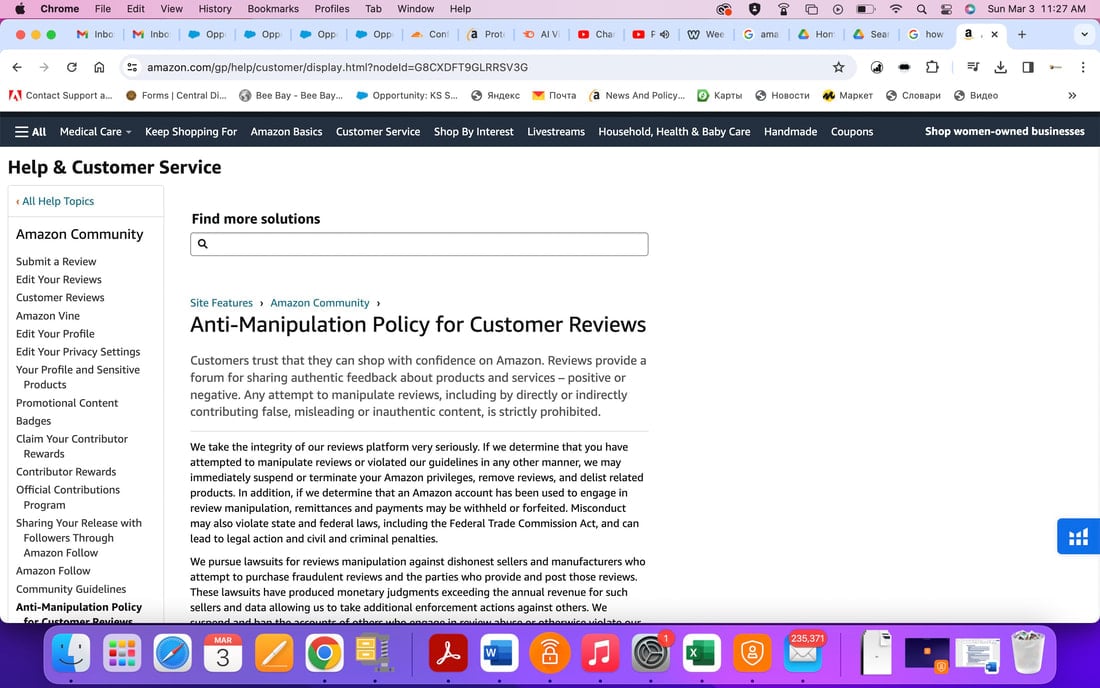
Picture

Dangers of Amazon Using AI to Detect Fake Reviews


Amazon uses artificial intelligence (AI) to detect fake reviews. This AI is trained on a massive dataset of reviews, and it can identify patterns that are indicative of fake reviews. For example, the AI may look for reviews that are all very similar in terms of language and content, or reviews that are all from accounts that were created recently.
​
While the AI is very effective at detecting fake reviews, it is not perfect. Sometimes, the AI may make mistakes and falsely accuse a seller of review manipulation. This can happen for a number of reasons, such as if the AI is not properly trained on a particular type of fake review, or if the AI is fooled by a sophisticated fake review scheme.

What to Do if You are Falsely Accused of Review Manipulation

If you are falsely accused of review manipulation, it is important to take action immediately. Here at Amazon Sellers Attorney, we are experts at review manipulation appeals.  If your account is at risk of being suspended because of suspected review manipulation, or has been suspended or deactivated, it is important to file a Plan of Action immediately to remedy your situation.  Contact us immediately for a free consultation, by chat, phone, email or our contact form.  ​

Amazon Introduces AI-Generated Review Summaries

6/13/2023

 
Picture
​
Amazon has recently introduced a new feature that uses artificial intelligence to summarize product reviews. The feature is currently being tested on a limited number of products, but it is expected to be rolled out to more products in the near future.

The AI-generated review summaries are displayed above the individual reviews on a product page. They provide a brief overview of what shoppers liked and disliked about the product. The summaries are labeled as "AI-generated from the text of customer reviews."

The introduction of AI-generated review summaries could have a number of implications for Amazon sellers. First, the summaries could help sellers to improve their products and services. By understanding what shoppers like and dislike about their products, sellers can make changes that will make their products more appealing to customers.
​
Second, the summaries could help sellers to respond to negative reviews. If a seller sees that a product is receiving a lot of negative reviews, they can use the AI-generated summary to identify the specific areas where the product is lacking. This information can then be used to improve the product.

Possible Inaccuracies in AI-Generated Review Summaries

​However, there are also some potential drawbacks to AI-generated review summaries. First, the summaries may not be accurate. AI models are trained on large amounts of data, but they can still make mistakes. If an AI model is not trained on enough data, it may not be able to accurately summarize the reviews of a particular product.
​
Second, the summaries may incorporate negative information that is not representative of the majority of reviews. For example, if a product receives a few negative reviews, the AI model may focus on those reviews and create a summary that is overly negative.

How Sellers Can Mitigate Their Risks


Overall, the introduction of AI-generated review summaries is a positive development for Amazon sellers. However, sellers should be aware of the potential drawbacks of the feature and take steps to mitigate those risks.
Here are some additional tips for Amazon sellers who are using AI-generated review summaries:
  • Monitor the summaries to ensure that they are accurate and representative of the majority of reviews.
  • Respond to negative reviews that are incorporated into the summaries.
  • Use the summaries to improve your products and services.

​By following these tips, Amazon sellers can use AI-generated review summaries to improve their products and services and increase their sales.

New Information

In addition to the information that was originally provided by Amazopn, here is some new information about Amazon's AI-generated review summaries:
  • The summaries are generated by a large language model, which is a type of artificial intelligence that can generate text that is similar to human-written text.
  • The summaries are trained on a dataset of customer reviews, which includes both positive and negative reviews.
  • The summaries are designed to provide a brief overview of what shoppers liked and disliked about a product.
  • The summaries are not intended to replace the individual reviews, but they can be a helpful tool for shoppers who are trying to decide whether or not to purchase a product.

Concerns of Amazon Sellers


There are some potential concerns about the use of AI-generated review summaries. One concern is that the summaries may not be accurate. Another concern is that the summaries may incorporate negative information that is not representative of the majority of reviews.

Amazon has stated that it is working to address these concerns. The company has said that it is using a variety of techniques to ensure that the summaries are accurate, including using a large dataset of customer reviews and training the language model on a variety of tasks.

Amazon has also said that it is working to prevent the summaries from incorporating negative information that is not representative of the majority of reviews. The company has said that it is using a variety of techniques to do this, including filtering out reviews that are obviously fake or biased.

Overall, Amazon's AI-generated review summaries are a new and innovative feature. The summaries have the potential to be a helpful tool for shoppers, but there are some potential concerns that need to be addressed. Amazon has stated that it is working to address these concerns, and it will be interesting to see how the feature evolves in the future.

As usual, Amazon Sellers Attorney is here for you, 24 hours a day, 7 days a week, to help you with any issues with regard to your Amazon Seller Account.  Call, chat or submit your case to us today for a free consultation.

Enhancing Amazon Detail Pages with Video Content: A Seller's Guide

6/12/2023

 
Picture
In the dynamic world of e-commerce, captivating visual content is essential in drawing customer attention. Recognizing this, Amazon now allows sellers who have been on the platform for three months or more to add video content to their product detail pages. This feature, available to both brand-registered and non-brand-registered sellers, can significantly boost sales, improve conversion rates, and reduce return rates. In this blog post, we'll guide you through the process and share some helpful tips on how to effectively leverage this feature.

​Video Content: A Key Player in the Shopping Experience

Video has evolved into an integral part of the shopping experience, influencing customer behavior at multiple stages. Shoppers utilize video to discover new products, make informed purchasing decisions, and engage with trusted creators and communities. By integrating video into your Amazon detail pages, you can cater to these customer needs while enhancing your brand's visibility and appeal.

​Types of Video Content to Consider

You can incorporate video content for each step of the customer journey on Amazon. Here are a few video types that can significantly benefit your product listings:
  1. Product Demonstrations: These videos can effectively showcase the features and benefits of your products, providing customers with a clear understanding of what they can expect.
  2. Installation Guides: If your product requires assembly or installation, step-by-step video guides can make the process easier for the customer, improving their overall shopping experience.
  3. Set-Up Videos: These can be particularly beneficial for electronic products or items that need specific configurations.
Another way to leverage video content is by repurposing short-form videos from your social media channels or website. This approach helps you make the most of your existing content while ensuring consistency in your brand message across various platforms.

​Prioritizing Clarity and Authenticity in Video Production

​While creating video content, it's essential to remember that good production quality doesn't always mean a high budget. What's more important is focusing on clarity and authenticity. Videos that clearly showcase your product and are genuine in their messaging will resonate more with viewers, effectively driving conversions and building customer trust.

​Getting Started with Adding Videos to Amazon Detail Pages


To get started with adding video content to your Amazon detail pages, navigate to the video upload page on your Seller Central account. Here, you'll find detailed instructions, troubleshooting tips, and best practices to help you optimize your video content for maximum impact.

By embracing the power of video content, you can offer an enriched shopping experience to your customers while boosting your Amazon business. Remember, the key to success lies in understanding your audience, creating engaging content that addresses their needs, and consistently improving based on their feedback.
​
In conclusion, integrating video into your Amazon product detail pages is a valuable tool for enhancing customer engagement and boosting sales. With a focus on authenticity and clarity, you can create compelling video content that sets your brand apart in the competitive Amazon marketplace.

We're Here to Help

If you encounter any issues with your Amazon seller account, if it is at risk of deactivation, or suspended or deactivated, we are here to help you, 24 hours a day, 7 days a week.  Call, chat or submit your case for a free consultation now.

Overcoming Amazon ASIN Suspension: Crafting a Winning POA (Plan of Action)

6/12/2023

 
How to Write an Amazon Plan of Action (POA)
Amazon, the titan of e-commerce, serves as an ideal platform for sellers to access a global customer base. To safeguard the marketplace's integrity and ensure an optimal shopping experience, Amazon imposes strict product policy rules. Violations of these rules may lead to Amazon ASIN suspension. In this blog post, we delve into the intricacies of Amazon's product policy compliance, common reasons for ASIN suspension, and how to construct an effective POA (Plan of Action) for Amazon appeals.

​Understanding Amazon Product Policy Compliance

Amazon's product policy compliance consists of a set of regulations that sellers need to follow while listing and selling products on the platform. These rules encompass aspects like product authenticity, safety standards, and respect for intellectual property rights. Any failure to abide by these rules can lead to ASIN suspension, potentially stalling your business operations.
​

​Reasons Behind Amazon ASIN Suspension

Amazon suspends ASINs for a plethora of reasons, all centering around policy infringement. Here are some common reasons:
  1. Counterfeit Products: Amazon strictly forbids the sale of counterfeit or replica items.
  2. Safety Compliance Breaches: All items must conform to relevant safety standards and regulations.
  3. Intellectual Property Infringements: This includes listing products that violate another party's patent, trademark, or copyright.
  4. Inauthentic Items: Genuine products sourced from unauthorized distributors can lead to ASIN suspension.
  5. Poor Performance Metrics: Failure to achieve Amazon's performance targets, such as the order defect rate (ODR), pre-fulfillment cancel rate (PFCR), and late shipment rate (LSR), can also lead to suspension.

​Crafting a Winning POA for Amazon Appeals

If your Amazon ASIN gets suspended, it's not the end of your selling journey. Amazon offers a chance to appeal the decision and reinstate your selling privileges. Here's how to create an effective POA for Amazon appeals:
  1. Decode the Suspension Reason: Amazon will communicate the suspension and its reasons. Understanding this is your first step towards a successful appeal.
  2. Develop a Plan of Action (POA): This is a comprehensive blueprint of the corrective measures you plan to implement to address the issues that caused your ASIN suspension. It should be specific and demonstrate that you understand the violation and are eager to rectify it.
  3. Draft an Appeal Letter: This should encompass your POA and a request to reinstate your selling privileges. Keep it brief, professional, and courteous.
  4. Submit Your Appeal: File your appeal through the Amazon Seller Central portal.

​Ensuring Successful Amazon Product Policy Compliance and Appeals

Being aware of Amazon's product policy compliance and proficiently navigating the appeals process can safeguard your business and promote its longevity. If you face an Amazon ASIN suspension, taking quick and measured action can help restore your selling privileges.
However, it's vital to remember that the best strategy is to prevent suspensions from occurring in the first place. Adhering to Amazon's product policy compliance can help avoid suspensions. But, if you find yourself dealing with a suspension, a well-structured POA for Amazon appeals and a dedication to rectify your mistakes can put you back on track.
In a nutshell, while selling on Amazon can be a lucrative endeavor, it requires meticulous attention to Amazon's guidelines and policies. Successfully appealing an ASIN suspension is achievable with a well-thought-out POA and a commitment to Amazon's compliance rules in the future. Stay informed, stay compliant, and witness your Amazon business flourish. With proactive policy adherence and a strategic approach to tackling challenges, your Amazon journey can continue to be rewarding and successful.


If You Hit a Roadblock

If your ASIN or Amazon seller account is suspended or deactivated, call, chat or submit your case to us now for a free consultation.  We are always here for you, seven days a week, 24 hours a day.
<<Previous

    RSS Feed

    Archives

    November 2025
    October 2025
    September 2025
    August 2025
    July 2025
    June 2025
    May 2025
    April 2025
    March 2025
    February 2025
    January 2025
    December 2024
    November 2024
    October 2024
    September 2024
    August 2024
    July 2024
    June 2024
    April 2024
    March 2024
    February 2024
    January 2024
    December 2023
    November 2023
    October 2023
    September 2023
    August 2023
    July 2023
    June 2023
    May 2023
    April 2023
    March 2023
    January 2023
    December 2022
    August 2022
    June 2022
    January 2022
    October 2021
    February 2021
    January 2021
    December 2020
    October 2020
    September 2020
    August 2020
    July 2020
    July 2019

    RSS Feed

CONTACT DETAILS:

AMZ Sellers Attorney
9350 Wilshire Blvd. suite 203
Beverly Hills, CA  90212 (virtual office, mailing address)
​Kenneth Eade, Esq. (licensed state of CA)
Michael S. Brandt, Esq. (licensed WA, CA, USPTO)
US: +1 888 806 2440​
AU: +61 2 7908 2785
FR: +33485880430
UK: +44 20 3608 1613
Asia: +852 5803 6406
نتحدث العربية ​
Türkçe konuşuyoruz

Nous parlons français 🇫🇷
Мы говорим по русски 🇷🇺
Se habla español​ 🇪🇸
我們說中文​ 🇨🇳
​Wir sprechen Deutsch

SERVICES:

Amazon Appeals
​Inauthentic Item Suspensions
Multiple/ Related Account Suspensions
​Amazon Verification Suspensions
Forged or Manipulated Documentation
Amazon Restricted Product Appeals
KDP and ACX Termination Appeals
Merch by Amazon Termination Appeals
Amazon Drop Shipping Policy Appeals
Amazon Brand Registry Support
Walmart Suspension Appeal
eBay Suspension Appeals
Etsy Suspension Appeals
Amazon Hijacker Removal Service
Amazon Review Manipulation Suspension Appeals
Amazon Sales Rank Manipulation Appeals
Amazon Variation Abuse Appeals
Amazon Safety Suspension Appeals
Amazon Sales Velocity Appeals
Amazon ODR Suspension Appeals
Intellectual Property (IP) Law
Fraud or Illegal Activity
Hacked Account
Listing Hijackers
Intellectual Property Lawyers
Amazon Arbitration
Settle Amazon TRO Cases
Settle Proposition 65 Cases

PAYMENTS:

We accept payments from all major credit cards and also by ACH transfer through BlueSnap. Our purchase currency is US Dollar (USD). Payments made through our site are secure.  ​

Payment Options
See our reviews on Picture

AS REPORTED IN:

Picture
Picture
Picture
Picture
Copyright © 2025 AMZ Sellers Attorney ® All Rights Reserved. Privacy Policy
Photos from thedailyenglishshow, Tony Webster, EpicTop10.com, willbuckner, Ben Baligad, osseous, andreboeni, EpicTop10.com, Tony Webster, wuestenigel (CC BY 2.0), wuestenigel (CC BY 2.0), Tony Webster, ThoroughlyReviewed, wuestenigel
  • Consultation
  • News
  • Services
    • Amazon Appeal Process >
      • Amazon Appeal Inauthentic Item Suspension
      • Amazon Appeal ODR Suspensions
      • Amazon Appeal OTDR Suspensions
      • Amazon Unsuitable Inventory Investigation Appeal
      • Amazon Intellectual Property Infringement
      • Amazon Related Account Appeals
      • Amazon Restricted Product Appeals
      • KDP & ACX Account Termination Appeals | AMZ Sellers Attorney®
      • Appeal Amazon Verification Suspension
      • Amazon Drop Shipping Policy Appeals
      • FBA Reimbursement Abuse Suspensions| Appeals
      • Amazon Relay Account Suspended? Appeal and Get Truckin!
      • Amazon Appeal VTR Suspensions
      • Amazon Safety Complaint Appeals
      • Amazon Sales Velocity Suspension Appeals
      • Amazon Sales Rank Manipulation Appeals
      • Amazon Price Gouging/Fair Pricing Suspensions Appeals
      • Amazon Review Manipulation Suspension Appeals
      • Amazon Variation and PDP Abuse Appeals
      • Amazon Forged or Manipulated Documentation Appeals
      • Amazon Fraud or Illegal Activity Deactivation Appeals
      • Amazon Account Hacked Suspension Appeal
      • Amazon Funds Appeal
      • Amazon Mechanical Turk Suspension Appeals
    • How to Resolve Amazon TROs & Unlock Seller Funds | AMZ Sellers Attorney®
    • Settle Prop 65 Claims & Unfreeze Amazon Funds | AMZ Sellers Attorney®
    • Amazon Arbitration Lawyers | Sue Amazon & Win with AMZ Sellers Attorney®
    • Amazon Brand Registry: Protect Your Brand
    • Expert E-Commerce Legal Services
    • E-Commerce Intellectual Property Attorneys | AMZ Sellers Attorney® >
      • Trademark Registration Attorneys Online | AMZ Sellers Attorney®
      • Top Registered Patent Lawyers Online
      • Amazon Copyright Lawyers
      • DMCA Experts | DMCA Takedown and Counter Notices
      • Amazon Neutral Patent and APEX Program | Expert Patent Attorneys
      • Trademark Trial and Appeal Board Attorneys | AMZ Sellers Attorney®
    • Amazon Hijacker Removal Service
    • Merch by Amazon Termination Appeals
    • eBay Suspension Appeal Services | AMZ Sellers Attorney®
    • Walmart Suspension Appeal Service | AMZ Sellers Attorney®
    • Etsy Suspension Appeal Service: Reinstate Your Account
  • Reviews
  • About Us
  • Amazon Suspension Prevention with Free Appeals
  • TikTok Seller Suspension Appeal
  • Appeal Closed or Limited PayPal Account
  • Temu Seller Suspension Appeal
  • Twitter Account Suspension Appeals
  • Target Suspension Appeal
  • Amazon Account Reinstatement
  • How to Open Multiple Amazon Seller Accounts
  • Amazon Listing (ASIN) Removal? Reinstate Listing
  • Terms and Conditions
    • Privacy policy
    • Refund Policy