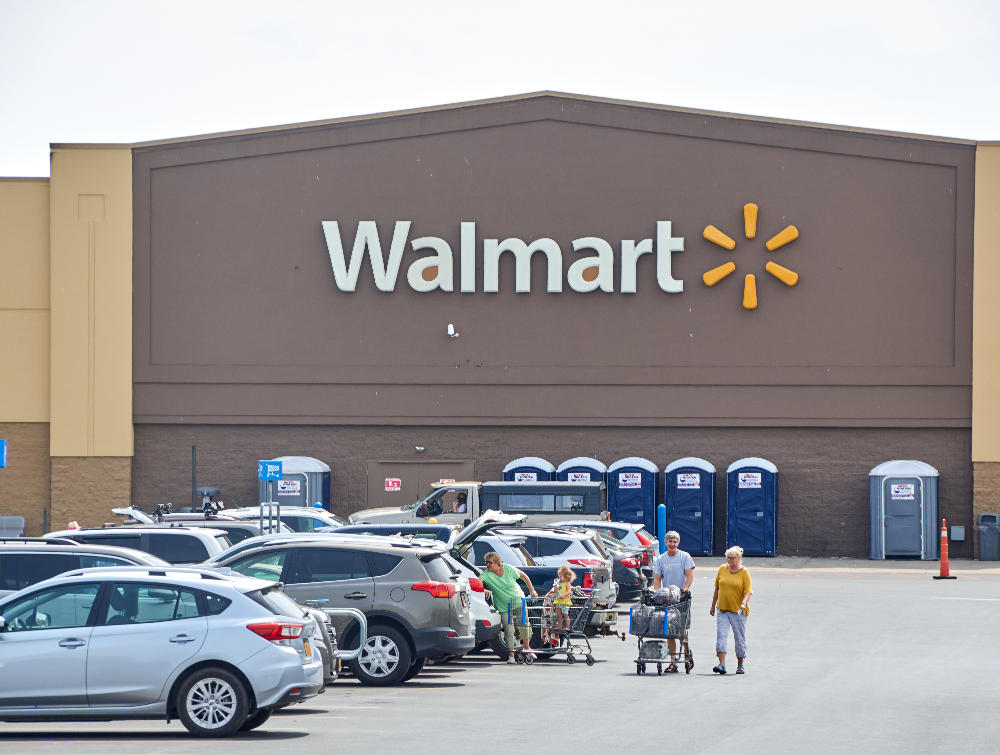
 What is Retail Arbitrage?A common subject in the forums is retail arbitrage, the practice of buying items at retail sales or close-out events, in such retail stores as Walmart or Best Buy, and then listing those products for sale on Amazon. Recently, probably because of Amazon’s increase in requiring brand-gating or approval to list in certain categories, its Seller Performance Team has been refusing to accept retail receipts as proof of authenticity. This can result in a suspension of a listing or bring an entire seller account to a halt, a devastating occurrence that requires a second look into this common practice. There is no official Amazon policy on the subject, which may be why the “get rich quick” seminars still tout it. This is the reason why many clients, when I advise them retail arbitrage is a thing of the past, they often argue with me. The writing on the wall shows that I am correct. Retail arbitrage on Amazon is a thing of the past. Once you get caught in the web of review, you are going to have to produce invoices with such detail on them that almost no retail receipt will pass muster. Amazon will not tell you this. If you ask anyone, they will tell you sourcing from retail sources is allowed on Amazon. What they won't tell you is that if a customer complains, you are likely to lose your listing or account to suspension. Amazon is gating more and more brands every day, and now has subjected sellers who are already selling in certain categories, to apply for approval to list products in those categories, and one of the things they ask for are “invoices or receipts.” Make no mistake, however, the word “receipts” does not mean that they will accept a cashier-printed receipt from WalMart or Target. Online Retail ArbitrageThis may be the easiest way to start a retail store on Amazon, as well as the easiest way to get your account suspended. Many of the Amazon gurus will advise drop shipping from online stores, such as Walmart, Target, Best Buy, Lowes, or Bed, Bath and Beyond. Drop shipping from online retailers is strictly prohibited on Amazon and will surely get your account deactivated. It is also one of the most difficult types of suspensions to resolve, and takes the longest amount of time. If you want to use online retail arbitrage, you must first ship the items to your own warehouse, repack them and remove all evidence of the retail store, and send them on to your customers. Amazon Retail ArbitrageAmazon Retail Arbitrage means buying products from a physical retail store for less and reselling these products on online marketplaces such as Amazon for a higher profit. In the retail arbitrage model, sellers must also invest time and energy in product sourcing and logistics. Because these products are purchased for much less or on liquidation, significant profit margins are possible. Issues in Retail Arbitrage on AmazonRetail arbitrage can be a heavy investment of time, as sourcing in retail stores requires consistent dedication. Product quality problems like damaged packaging, packaging that doesn’t match the listing description, store returns with possible missing parts unknown to the seller can often arise and can cause complaints. Intellectual property complaints arise when an Amazon seller sells a particular product from a well-known brand. The brand may file an intellectual property complaint and Amazon will ask the seller to provide invoices and proof of authorization to sell their products. Most RA sellers do not have access to this documentation. Key TakeawaysChances are that any recognized brand, such as Samsung, Apple, Nike or Adidas, is off-limits and selling it is an unreasonable risk unless you are buying from an authorized wholesale distributor with full resale rights. More and more brands are being added every day.
My advice to Amazon sellers about retail arbitrage? Don’t do it. Convert your supply chain to a wholesale supplier. Otherwise, the next time your account is placed in review, you may have to call someone like me. If you are facing these questions, do not hesitate to call, email or chat with us for a free consultation. Comments are closed.
|
Archives
April 2024
|

 RSS Feed
CONTACT DETAILS:Amazon Sellers Attorney, Ltd.
9350 Wilshire Blvd. suite 203 Beverly Hills, CA 90212 نتحدث العربية
Türkçe konuşuyoruz Nous parlons français 🇫🇷 Мы говорим по русски 🇷🇺 Se habla español 🇪🇸 我們說中文 🇨🇳 |
SERVICES:Amazon Appeals
Inauthentic Item Suspensions Multiple/ Related Account Suspensions Amazon Verification Suspensions Forged or Manipulated Documentation Defending Buyer Complaints Plan to Prevent Suspension Intellectual Property (IP) Law Reinstating ASIN Fraud or Illegal Activity Hacked Account Listing Hijackers DMCA Lawyers Amazon Arbitration |
PAYMENTS:We accept payments from all major credit cards and also by ACH transfer through BlueSnap. Our purchase currency is US Dollar (USD). Payments made through our site are secure.

|

AS REPORTED IN:

|

|

|

|

|
Copyright © 2024 AMZ Sellers Attorney ® All Rights Reserved. Privacy Policy