Violations of Amazon's Drop Shipping Policy
In the second half of 2022, an upsurge in Amazon seller account deactivations occurred due to violations of the Amazon Drop Shipping Policy. Amazon permits drop shipping but has strict rules, and drop shipping from other online retailers is strictly prohibited. Violating this policy could lead to account suspension, which can take months to reinstate. Amazon's Seller Code of Conduct has many provisions, but a lot of drop shipping violations are the root causes of these violations.
Amazon requires a consistent customer experience that identifies only you as the seller of record. This means that if a customer buys a product from you on Amazon, they should receive the product from you, and all invoices, packaging, and packing materials should only identify you as the seller. If you drop ship from other online retailers such as Walmart or Home Depot, customers may receive products with labels or boxes from those retailers. This could result in account suspension and several rounds of appeals to explain yourself.
If you wish to have a successful drop-shipping business through Amazon, do your homework in advance and find a reliable supplier. While drop-shipping is a beneficial strategy, you need to assure Amazon that you are a responsible seller who is reliable, acting partly on behalf of the marketplace. If you violate Amazon's drop shipping policy, you are responsible for accepting and processing customer returns.
Amazon requires a consistent customer experience that identifies only you as the seller of record. This means that if a customer buys a product from you on Amazon, they should receive the product from you, and all invoices, packaging, and packing materials should only identify you as the seller. If you drop ship from other online retailers such as Walmart or Home Depot, customers may receive products with labels or boxes from those retailers. This could result in account suspension and several rounds of appeals to explain yourself.
If you wish to have a successful drop-shipping business through Amazon, do your homework in advance and find a reliable supplier. While drop-shipping is a beneficial strategy, you need to assure Amazon that you are a responsible seller who is reliable, acting partly on behalf of the marketplace. If you violate Amazon's drop shipping policy, you are responsible for accepting and processing customer returns.
What is an Amazon Drop Shipping Policy Violation?
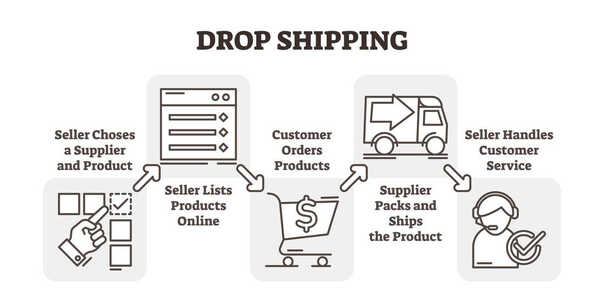
Violations of Amazon's Drop Shipping Policy can lead to account deactivation, which can take months to reinstate. Amazon requires a consistent customer experience that identifies only you as the seller of record. Drop shipping from other online retailers such as Walmart or Home Depot is strictly prohibited as customers may receive products with labels or boxes from those retailers, resulting in account suspension and several rounds of appeals to explain yourself. If you want to have a successful drop-shipping business through Amazon, it's essential to do your homework in advance and find a reliable supplier. While drop-shipping is a beneficial strategy, you need to assure Amazon that you are a responsible seller who is reliable and acting partly on behalf of the marketplace. If you violate Amazon's drop shipping policy, you are responsible for accepting and processing customer returns.
According to Amazon's Drop Shipping Policy, if you fulfill orders using a third party, a practice known as drop shipping, you must follow all Amazon policies to ensure a consistent customer experience that identifies only you as the seller of record. All invoices, packaging, and packing material must identify only you as the seller. Amazon prohibits drop shipping from other online retailers such as Walmart, Home Depot, Costco, and others, as it can break customer trust. Any violation of the Drop Shipping Policy will negatively impact your account health and your ability to fulfill future orders using Amazon's Merchant Fulfilled Network (MFN). If Amazon suspects you are drop shipping from other retailers or suppliers who keep their labels on the package, your account could be deactivated.
The following drop shipping methods are strictly prohibited on Amazon:
It's important to find a reliable supplier and not to drop ship from prohibited online retailers. Drop-shipping is a beneficial strategy, but you need to assure Amazon that you are a reliable and responsible seller who is acting partly on behalf of the marketplace. To avoid violating Amazon's policies, put yourself in Amazon's shoes and understand that they don't want their customers to receive products from their competitors. You must always be the seller of record of your products, remove any information identifying the third-party drop shipper before shipping, and be responsible for accepting and processing customer returns.
If you violate Amazon's Drop Shipping Policy, your account could be deactivated, and you will need to go through several rounds of appeals to explain yourself or use professional services to resolve things faster. If you need help, call or contact Amazon Sellers Attorney. We can help you with account suspension appeals and develop a plan of action to get your account reinstated. Don't risk losing your account; take Amazon's policies seriously and ensure that you're following them correctly.
I
According to Amazon's Drop Shipping Policy, if you fulfill orders using a third party, a practice known as drop shipping, you must follow all Amazon policies to ensure a consistent customer experience that identifies only you as the seller of record. All invoices, packaging, and packing material must identify only you as the seller. Amazon prohibits drop shipping from other online retailers such as Walmart, Home Depot, Costco, and others, as it can break customer trust. Any violation of the Drop Shipping Policy will negatively impact your account health and your ability to fulfill future orders using Amazon's Merchant Fulfilled Network (MFN). If Amazon suspects you are drop shipping from other retailers or suppliers who keep their labels on the package, your account could be deactivated.
The following drop shipping methods are strictly prohibited on Amazon:
- Purchasing products from another retailer and having that retailer ship directly to customers if the shipment does not identify you as the seller of record.
- Shipping orders with packing slips, invoices, external packaging, or other information indicating a seller name or contact information other than your own.
It's important to find a reliable supplier and not to drop ship from prohibited online retailers. Drop-shipping is a beneficial strategy, but you need to assure Amazon that you are a reliable and responsible seller who is acting partly on behalf of the marketplace. To avoid violating Amazon's policies, put yourself in Amazon's shoes and understand that they don't want their customers to receive products from their competitors. You must always be the seller of record of your products, remove any information identifying the third-party drop shipper before shipping, and be responsible for accepting and processing customer returns.
If you violate Amazon's Drop Shipping Policy, your account could be deactivated, and you will need to go through several rounds of appeals to explain yourself or use professional services to resolve things faster. If you need help, call or contact Amazon Sellers Attorney. We can help you with account suspension appeals and develop a plan of action to get your account reinstated. Don't risk losing your account; take Amazon's policies seriously and ensure that you're following them correctly.
I
Amazon Seller Code of Conduct Appeals
Amazon's Seller Code of Conduct is a set of policies and guidelines that all sellers must follow. These policies include providing accurate information about products, ensuring that products meet safety standards, responding to customer inquiries in a timely and professional manner, and avoiding prohibited or restricted products. Violations of the Code of Conduct can result in account suspension, which can be a serious problem for sellers.
Amazon may suspend a seller's account for violating the Code of Conduct, and it can be challenging for sellers to navigate the appeals process. Amazon's policies are complex and can be difficult to understand, especially for new sellers. It's important for sellers to understand their rights and options, and to have expert help on their side.
At Amazon Sellers Attorney, we specialize in helping Amazon sellers who have received notices of account suspension. Our team of expert Amazon lawyers can review the case, analyze the Code of Conduct violations, and develop a comprehensive plan of action to help sellers get their account reinstated. We offer affordable fixed fees for our services and provide unlimited revisions, free escalations, and attorney letters if needed.
Our lawyers have a proven track record of winning appeals for suspended accounts, and we work quickly to help sellers get back on Amazon. We understand how important it is for sellers to maintain a good standing on the platform, and we are committed to delivering results.
Amazon may suspend a seller's account for violating the Code of Conduct, and it can be challenging for sellers to navigate the appeals process. Amazon's policies are complex and can be difficult to understand, especially for new sellers. It's important for sellers to understand their rights and options, and to have expert help on their side.
At Amazon Sellers Attorney, we specialize in helping Amazon sellers who have received notices of account suspension. Our team of expert Amazon lawyers can review the case, analyze the Code of Conduct violations, and develop a comprehensive plan of action to help sellers get their account reinstated. We offer affordable fixed fees for our services and provide unlimited revisions, free escalations, and attorney letters if needed.
Our lawyers have a proven track record of winning appeals for suspended accounts, and we work quickly to help sellers get back on Amazon. We understand how important it is for sellers to maintain a good standing on the platform, and we are committed to delivering results.
Amazon Seller Drop Shipping and Seller Code of Conduct Appeals
Appeals of accounts deactivated for violating Amazon's drop shipping policy can take time, and you need to convince Amazon that you are serious. If you have received a drop shipping suspension, it is important to present a professionally prepared Plan of Action. Our experts take these appeals seriously and can help you present a well-crafted Plan of Action. Contact us today for a free consultation.