AMZ SELLERS ATTORNEY®
  • 4.9 ⭐⭐⭐⭐⭐ A+ BBB | AMZ Sellers Attorney®
  • Consultation
  • News
  • Services
    • Amazon Appeal Process and Reinstatement >
      • Suspension Risk Scanner
      • Which service is best for fast Amazon account reinstatement?
      • Amazon Unsuitable Inventory Investigation Appeals
      • Amazon Appeal Inauthentic Item Suspension
      • Amazon Appeal ODR Suspensions
      • Amazon Appeal OTDR Suspensions
      • Amazon Intellectual Property Infringement
      • Amazon Related Account Appeals
      • Amazon Restricted Product Appeals
      • Best KDP & ACX Account Termination Appeals | AMZ Sellers Attorney®
      • Appeal Amazon Verification Suspension
      • Amazon Drop Shipping Policy Appeals
      • FBA Reimbursement Abuse Suspensions| Appeals
      • Amazon Relay Account Suspended? Appeal and Get Truckin!
      • Amazon Appeal VTR Suspensions
      • Amazon Safety Complaint Appeals
      • Amazon Sales Velocity Suspension Appeals
      • Amazon Sales Rank Manipulation Appeals
      • Amazon Price Gouging/Fair Pricing Suspensions Appeals
      • Amazon Review Manipulation Suspension Appeals
      • Amazon Variation and PDP Abuse Appeals
      • Amazon Forged or Manipulated Documentation Appeals
      • Amazon Fraud or Illegal Activity Deactivation Appeals
      • Amazon Account Hacked Suspension Appeal
      • Amazon Funds Appeal
      • Amazon Mechanical Turk Suspension Appeals
    • Amazon TRO Defense & Frozen Funds Release | AMZ Sellers Attorney® (4.9★)
    • Best Amazon Proposition 65 Lawyers Release Frozen Funds | AMZ Sellers Attorney®
    • Best Amazon Arbitration Lawyer – Recover Frozen Funds
    • Best Amazon Brand Registry and Brand Protection Lawyer >
      • Firms that handle Amazon account suspensions for brand sellers
      • Brand Registry & IP Readiness Checker
    • Best Expert E-Commerce Lawyers
    • Best E-Commerce Intellectual Property Attorneys | AMZ Sellers Attorney® >
      • Trademark Registration Attorneys Online | AMZ Sellers Attorney®
      • Best Amazon Patent Lawyers & E-Commerce Patent Attorneys Online
      • Amazon Copyright Lawyers
      • DMCA Experts | DMCA Takedown and Counter Notices
      • Best Amazon APEX Lawyers
      • Trademark Trial and Appeal Board Attorneys | AMZ Sellers Attorney®
      • Patent and IP Coverage Checker for E Commerce Sellers
    • Best Amazon Hijacker Removal Service
    • Merch by Amazon Termination Appeals
    • Best eBay Appeal Service
    • Best Walmart Appeal Service | AMZ Sellers Attorney®
    • Best Etsy Suspension Appeal Service: Reinstate Your Store >
      • Etsy Frequently Asked Questions
  • Reviews
  • About Us
  • Amazon Suspension Prevention with Free Appeals
  • TikTok Seller Suspension Appeal
  • EPayment and PayPal Suspension Appeals
  • Temu Seller Suspension Appeal
  • Twitter Account Suspension Appeals
  • Target Suspension Appeal
  • Amazon Vendor Account Suspension Appeals
  • Amazon Account Reinstatement
  • How to Open Multiple Amazon Seller Accounts
  • Amazon Listing (ASIN) Removal? Reinstate Listing
  • Amazon Seller Tools API & Embeddable Widgets for Partners
  • Full-Service Amazon Suspension Management Agency | AMZ Sellers Attorney®
  • Terms and Conditions
    • Privacy policy
    • Refund Policy
  • Sitemap

AMZ Sellers Attorney® Blog: 2025/2026 Marketplace News, Suspensions & Policy Alerts

This blog is written for Amazon, Walmart, Etsy, eBay and TikTok Shop sellers who need clear, attorney-reviewed guidance on account suspensions, policy updates, intellectual property disputes, brand protection, and arbitration.

We monitor new Amazon marketplace policies, suspension risks, ODR/account-health changes, coupons & fees, AI enforcement tools, and legal trends, then translate them into practical action steps and SOPs you can plug into your business.

Start with these pillar guides and services:

  • Amazon Account Suspension & ASIN Appeals
  • Amazon Brand Registry & Brand Protection
  • Amazon IP & Brand Enforcement (Trademark, Copyright, Patent)
  • Removing Amazon Listing Hijackers & Counterfeiters
  • Request a Free Marketplace Suspension Consultation

Changes to Amazon Brand Registry

2/17/2021

0 Comments

 
Picture
Quick Answer: What does Amazon Brand Registry really mean for sellers?

Amazon Brand Registry connects a registered trademark to a seller account and unlocks powerful tools: A+ Content, Brand Stores, automated controls over listings, and fast IP enforcement. For brand owners, it is the central hub of brand protection on Amazon. For resellers, it is often the system behind takedowns, “not authorized” messages, and counterfeit or trademark complaints.

The First Sale Doctrine still matters—but it now lives in the shadow of Brand Registry. You may have a legal right to resell genuine goods, yet lose your listing or account because a Brand Registry owner files a complaint and Amazon’s systems decide you are “too risky.” Understanding how Brand Registry works—and how to respond—is more important than ever.

Amazon Brand Registry vs. Reseller Rights (2025 Guide)

In 2025, Amazon Brand Registry is the main gatekeeper of brand control on the marketplace. It shapes who can edit listings, who gets visibility, and how quickly IP complaints take down your ASINs. The First Sale Doctrine still protects resellers at the legal level—but Brand Registry and Amazon’s internal policies decide what actually happens to your account.

Key insight: On Amazon, Brand Registry and internal risk rules come first; First Sale is the backstop. If you want to stay live—whether you own a brand or resell other brands—you need Brand Registry strategy, Amazon-ready invoices, and clear documentation more than a courtroom argument.
Brand Registry gives trademark owners powerful tools; your legal right to resell is only part of the story.
Book a Free Amazon Brand Registry & IP Strategy Consultation →

Amazon Brand Registry in 2025: Quick Facts

  • Core role: Brand Registry is the main control panel Amazon uses to protect trademarks and manage who edits listings.
  • Who can enroll: Trademark owners and their authorized agents, using registered marks that match Brand Registry rules.
  • Key tools: Suspected IP infringement reporting, automated brand protection, listing edits, and product-level controls.
  • Risk to resellers: A single brand complaint can trigger listing removal, ASIN suspension, or account risk flags.
  • First Sale angle: You still have legal rights to resell genuine goods—but Brand Registry tools may override you on the platform.
  • Evidence you need: Amazon-ready invoices, clean supply chains, and clear proof your goods are genuine and not “materially different.”
  • Global impact: Brand Registry now operates across multiple marketplaces, interacting with UK/EU exhaustion of rights rules.
  • Abuse risk: Brands sometimes use Brand Registry to remove legitimate resellers; that is where attorney-led appeals matter.
On this page:
  1. What Is Amazon Brand Registry in 2025?
  2. How Brand Registry Tools Actually Work
  3. Brand Registry vs. First Sale Doctrine
  4. Invoices, Documentation & Brand Registry Expectations
  5. Common Brand Registry IP Issues and Abuse
  6. Brand Registry on Global Marketplaces (US vs. UK/EU)
  7. Building a Brand Registry Evidence Binder
  8. Using Brand Registry for Your Own Brand
  9. Video: Brand Registry, First Sale & Reseller Rights
  10. When to Call an Attorney (and How We Help)
  11. Amazon Brand Registry & First Sale FAQ

What Is Amazon Brand Registry in 2025?

Amazon Brand Registry is Amazon’s official program that links a registered trademark to the brand owner’s account. Once enrolled, the brand gains:

  • Control over core listing content (title, bullets, images, Brand Store, A+ Content).
  • Access to IP enforcement tools for trademarks, copyrights, and design elements.
  • Automated brand protection that scans for suspected infringement or listing hijackers.

In practice, this means Brand Registry acts as the “source of truth” for many catalog decisions. If a brand updates images, enforces strict content guidelines, or reports suspected infringers, Amazon’s systems start from the assumption that the Brand Registry owner is correct.

If you are a brand owner, Brand Registry is now essential for protecting your mark on Amazon. If you are a reseller or arbitrage seller, Brand Registry is usually the mechanism behind IP complaints, takedowns, and “you are not authorized” messages.

How Amazon Brand Registry Tools Actually Work

Once enrolled, brand owners can use a dashboard to search for suspected infringements and file complaints. They can:

  • Report trademark misuse (logo in images, brand name in titles, fake products).
  • Flag counterfeit listings or “not as described” inventory.
  • Request Amazon to remove offers or entire ASINs they believe infringe their rights.

Amazon’s automation then uses these signals—plus account health history and internal risk scores—to decide whether to remove listings, restrict catalog edits, or escalate to account suspension.

Typical Brand Registry Enforcement Path

  • Brand identifies listings or offers it believes infringe or are unauthorized.
  • Brand files a complaint through Brand Registry with selected legal grounds.
  • Amazon removes the listing, suppresses offers, or issues a policy violation.
  • You must then appeal to Amazon (and sometimes respond to the brand’s lawyers).

Many legitimate resellers are surprised to learn that Amazon will act on Brand Registry complaints long before any court decides whether First Sale protects the reseller.

Brand Registry vs. First Sale Doctrine

The First Sale Doctrine says that once a rights owner sells a genuine item in a lawful transaction, their rights over that particular item are generally exhausted. The lawful purchaser can usually resell it without needing permission. That sounds friendly to Amazon resellers.

But First Sale exists in law, while Brand Registry operates in Amazon’s private platform rules. When those collide, Amazon’s default is to trust the Brand Registry owner and protect the marketplace, not adjudicate your full legal defenses.

What First Sale Still Does for You

  • Supports your argument that you can resell genuine, unchanged goods.
  • Helps defend against overreaching trademark claims in court.
  • Can be used in attorney-drafted appeals to explain why your goods are authentic and not “materially different.”

What Brand Registry Can Do Anyway

  • Trigger an IP complaint that removes your offer or entire ASIN.
  • Push your account into Account Health risk, even for genuine inventory.
  • Require you to prove authenticity and supply chain through Amazon’s documentation standards.

In other words: First Sale is not a magic “get out of suspension” card. Your practical survival on Amazon depends on how you navigate Brand Registry, not just what you could argue to a judge.

For a deeper dive on Brand Registry escalation and support, see our dedicated guide: Amazon Brand Registry Support: How to Fix Brand & IP Problems .

Invoices, Documentation & Brand Registry Expectations

When a Brand Registry owner files a complaint, Amazon often demands very specific documentation. It is not enough to say “First Sale applies.” You need to show:

  • Invoices dated within the relevant sales period (often within 365 days).
  • Full supplier name, address, and contact details that look legitimate to Amazon.
  • Product identifiers (model, UPC, EAN, or unmistakable description) matching the ASIN.
  • Quantities that align with your sales volume and inventory history.
  • Proof of payment or a supplier Amazon already trusts.

For retail arbitrage, many sellers have only receipts from big-box stores. Brand Registry complaints plus Amazon’s policies often mean those receipts are not enough, especially for gated or sensitive brands.

Practical rule: if a brand keeps appearing in your Account Health as IP or authenticity issues, you either need a clean, Amazon-ready wholesale supply chain or a plan to exit that brand.

Common Amazon Brand Registry IP Issues (and Abuse Patterns)

Even when you source genuine goods, Brand Registry tools can still be used—correctly or aggressively—against your offers. The most common issues we see include:

1. Counterfeit & “Not as Described” Complaints

  • Brand alleges your items are fake or not made by them.
  • Customers complain about packaging differences or damaged goods.
  • Amazon flags your supplier or sourcing pattern as high risk.

Brand Registry enables fast counterfeit reporting. If your documentation is weak, Amazon may treat your items as counterfeit even where First Sale would say otherwise.

2. “Material Difference” & Grey-Market Complaints

  • Brand claims your imported or parallel goods differ from the local authorized version.
  • Missing or different warranty, language, formulation, or safety labeling.
  • Goods sold as “new” after repackaging, returns, or missing accessories.

Brand Registry complaints often cite “material differences.” Courts have found that if the differences matter to consumers, First Sale may not apply.

3. Brand Registry Abuse & Unauthorized Reseller Pressure

  • Brand uses IP tools to push out legitimate but “unauthorized” resellers.
  • Complaints allege “unauthorized distribution” rather than true infringement.
  • Resellers receive repeated takedowns without clear legal basis.

In these cases, attorney-drafted responses can challenge overreaching claims, explain First Sale, and, where appropriate, escalate to Amazon that Brand Registry is being abused.

Brand Registry on Global Marketplaces: US vs. UK/EU Exhaustion of Rights

Outside the U.S., the First Sale concept appears as exhaustion of rights. In the UK and EU, rights are usually exhausted when the rights holder (or someone with consent) puts goods on the market in that region.

For Brand Registry, that means:

  • Cross-border movement of goods (US ↔ UK/EU) can raise parallel import issues.
  • Brand owners may have stronger arguments against goods introduced outside the relevant region.
  • Each Amazon marketplace (.com, .co.uk, .de, etc.) blends local law with Amazon’s own policies.

If you sell across multiple regions, you need a coordinated Brand Registry and IP strategy, not just a one-size-fits-all First Sale argument.

Building a Brand Registry & IP Evidence Binder

Whether you are the brand owner or a reseller, you should maintain a living evidence file for each brand. For resellers, that file protects you when Brand Registry complaints appear. For brand owners, it supports your enforcement and helps avoid wrongful takedowns.

  • Trademark documents: registration certificates and assignment records.
  • Invoices and purchase orders: clearly tied to each ASIN and time period.
  • Supplier vetting notes: how you confirmed authenticity and authorization.
  • Product and packaging photos: front, back, labels, batch/lot codes.
  • Channel policies: brand’s official policy on authorized resellers and MAP.
  • Amazon correspondence: prior appeals, warnings, and reinstatement emails.

When a Brand Registry complaint hits, this binder lets you respond with a clear, fact-driven appeal instead of scrambling under a deadline.

Using Brand Registry to Protect Your Own Brand

Many Amazon sellers move from pure arbitrage to building their own brand. For those sellers, Brand Registry flips from being a risk to being a defensive shield. With a registered trademark and proper enrollment, you can:

  • Stop listing hijackers and counterfeiters more quickly.
  • Lock in correct content, so other sellers cannot easily mangle your listing.
  • Use Brand Stores, A+ Content, and Sponsored Brand ads to grow your presence.

Our team routinely helps sellers register trademarks, enroll in Brand Registry, and design a brand protection strategy that still respects legitimate First Sale rights of lawful resellers.

Learn more in our Amazon Brand Registry: Trademark & Enrollment Guide.

Video: Brand Registry, First Sale & Reseller Rights

In this short video, we walk through how Brand Registry enforcement and the First Sale Doctrine interact for Amazon sellers, including retail arbitrage, authenticity complaints, and how to document your sourcing.

Watch: How Brand Registry tools and First Sale rights collide—and what smart sellers do about it.

When to Call an Attorney About Brand Registry & IP Problems

If you’ve received an Amazon Brand Registry complaint, a “counterfeit” or “not as described” accusation, or a trademark infringement notice, you are already in a high-risk situation. Sending an emotional message about “my First Sale rights” rarely works and can make later appeals harder.

We regularly help sellers with:

  • Brand Registry misuse and overreaching trademark or counterfeit complaints.
  • Gated-brand invoice challenges and documentation audits.
  • Account and ASIN reinstatement strategies that fit Amazon policy and IP law.
  • Trademark registration and Brand Registry enrollment for your own brand.

Every case is different, but the common thread is the same: you need a response that speaks Amazon’s language (risk, documentation, policy) while preserving your legal defenses under First Sale and trademark law.

Get a Free Amazon Brand Registry & IP Case Review →

Frequently Asked Questions: Amazon Brand Registry & First Sale Doctrine

Does Amazon Brand Registry let a brand remove any reseller it doesn’t like?

No—but Brand Registry gives brands powerful tools to influence what stays live on the catalog. They can report suspected infringement, counterfeits, or material differences, and Amazon often acts quickly. If you are a legitimate reseller with genuine products and solid documentation, you may be able to fight back— but you should not assume Amazon will sort out First Sale on its own.

Does the First Sale Doctrine still protect Amazon resellers in 2025?

Yes, the First Sale Doctrine still generally lets you resell genuine goods you lawfully purchased. However, on Amazon the practical bottleneck is Brand Registry and internal risk policies. You may have a strong First Sale argument in court, yet still lose your ASIN or account if you can’t satisfy Amazon’s Brand Registry-driven documentation requirements.

Are retail receipts enough to win a Brand Registry authenticity complaint?

Usually not. Retail receipts may help show you bought goods lawfully, but Amazon increasingly expects invoices from manufacturers or authorized distributors, especially for gated or high-risk brands. For many Brand Registry complaints, retail receipts alone are rejected, and you must either change your sourcing or work with an attorney to frame a more robust appeal.

How can I tell if a Brand Registry complaint is abusive or overreaching?

Warning signs include complaints that focus only on you being “unauthorized” (without true counterfeiting), attempts to remove you while allowing other similar sellers to stay, or threats that rely more on distribution agreements than IP rights. In these cases, we often combine First Sale arguments with documentation and, where appropriate, escalate to Amazon that the brand is misusing IP tools to enforce pure distribution control.

Should I enroll my own brand in Brand Registry if I already sell on Amazon?

In almost every case, yes. Brand Registry is now a baseline requirement for serious private label or brand-focused sellers. It helps you stop hijackers, protect your trademark, and control your catalog content. Our firm routinely handles trademark registration and Brand Registry enrollment so Amazon sellers can protect their brands while staying compliant with Amazon’s rules.

When should I talk to an attorney about Brand Registry or First Sale issues?

You should get legal help if you receive a Brand Registry-driven IP complaint, repeated authenticity violations, a counterfeit accusation, or if a brand’s legal team contacts you directly. An experienced Amazon and e-commerce attorney can help you frame First Sale correctly, draft appeals that Amazon will actually consider, and, when necessary, respond to the brand’s lawyers or explore off-Amazon legal options.

Related Resources

  • Amazon Brand Registry: Trademark & Enrollment Guide
  • Amazon Brand Registry Support: How to Fix Brand & IP Problems
  • Request a Free Amazon Brand Registry & IP Consultation
0 Comments

Amazon's New Drop-Shipping Policy and What it Means to Amazon Sellers

2/2/2021

0 Comments

 
Picture
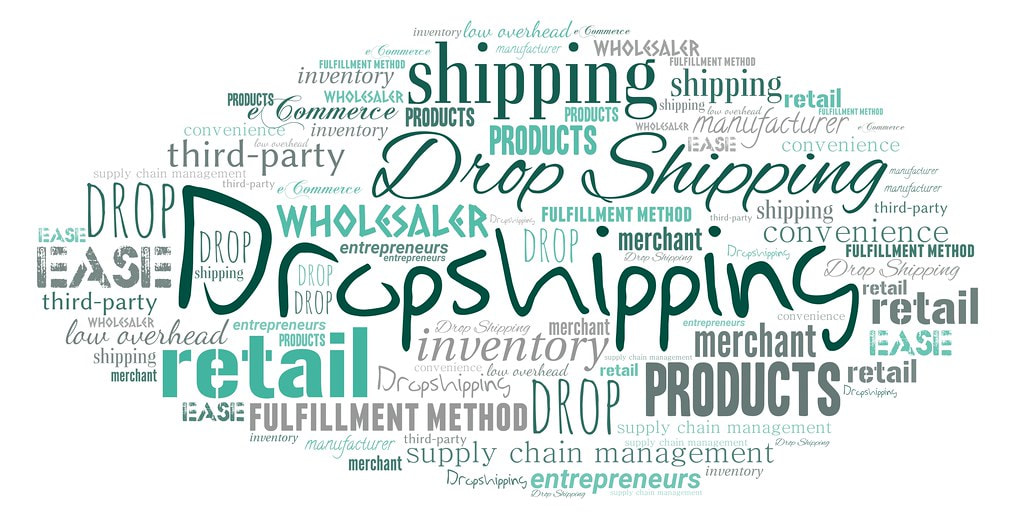
​Several days ago Amazon US posted an Important Announcement for Amazon Drop Shipping Policy AppealsDrop-Shipping Policy.
Many Amazon sellers already had a chance to comment on this policy and note that nothing new was announced, but at least one positive aspect was found by everyone: the drop-shipping policy has become more clear and straight to the point.

We should take this chance to examine the entire policy, its meaning in general and important details, that you should not ignore when you choose this business model.

So, let’s start!
The policy starts with this statement:
If you fulfill orders using a third party, a practice known as drop shipping, you must follow all Amazon policies to ensure a consistent customer experience that easily identifies only you as the seller of record.
EXPLANATION: you need to make sure that a customer buying the product from you on the Amazon platform will receive an item, which will state yourself as a seller. This is very important for Amazon, and this is a reason why Amazon prohibits drop shipping from other online retailers (like Walmart for instance), as Amazon clients would receive a product with a Walmart label and next time will go shopping directly there, skipping this “unnecessary stop” at Amazon marketplace.  It is fine to source from Walmart, Home Depot, Lowes, or Bed, Bath and Beyond, but you cannot drop ship from their online site directly to customers. Amazon does not want customers ordering from their site to receive something in a box with Walmart or Home Depot written all over it.

The next paragraph states another important aspect:
As an important reminder, all violations of the Drop Shipping Policy can break customer trust. As a result, any violation of our Drop Shipping Policy will negatively impact your account health and your ability to fulfill future orders using our Merchant Fulfilled Network (MFN).

EXPLANATION: This means, that if Amazon somehow finds out or suspects you are drop-shipping from other retailers or suppliers who keep their labels on the package, your account might be deactivated and you would need to go through several rounds of appeals to explain yourself, or to use professional services like ours to resolve things faster.

But we would like to make sure you understand the difference between the brand label and the supplier label. When an Amazon buyer wants to buy a branded product, let’s say “XXX”, the product must state the brand name, as customers expect to receive exactly this branded item. The supplier label must state YOU as a seller, and not any other third-party.

Further Amazon explains the exact prohibited actions:
The following drop shipping methods are strictly prohibited on Amazon:
  • You may not purchase products from another retailer and have that retailer ship directly to customers, if:
    • the shipment does not identify you as the seller of record
    • anyone other than you appears on packing slips, invoices, or external packaging
Note: This means that the name, logo, or any other identifying information from the other retailer may not appear on what the customer receives.
  • You may not ship orders with packing slips, invoices, external packaging, or other information indicating a seller name or contact information other than your own
EXPLANATION: Please forget about drop-shipping from such online retailers, as:
  1. Walmart
  2. Home Depot
  3. Costco
  4. The Kroger Co.
  5. Walgreens Boots Alliance
  6. CVS Health Corporation
  7. Target
  8. BestBuy
  9. eBay
  10. Dollar General
Do your homework in advance and find a reliable supplier, if you wish to have a successful business through Amazon marketplace.
​
Drop-shipping is a very beneficial strategy:
  •  If you don’t want to keep storage of a purchased stock – all products will be delivered from the supplier directly to the customer, which is extremely convenient
  • If you don’t have an extra budget to purchase the items in advance
  • If you don’t want to risk, whether the product will be sold or not
With a drop-shipping business model you have a guarantee, that you will get paid, as you purchase a product from your supplier ONLY if it’s ordered from your Amazon account.
But in order to have all these benefits, you have to assure Amazon that you are a reliable and responsible seller, acting partly on behalf of the marketplace. The old and the new policy provides the details, you have to consider to be trusted. Put yourself in Amazon’s shoes and you will understand, that they don’t want the products to be delivered to their beloved customers from their competitors.
The last part of the policy pretty much repeats the above statements, except the one:
If you fulfill using drop shipping, you must strictly adhere to following requirements of our policy:
  • You must always be the seller of record of your products, meaning you identify yourself as the seller of your products on all information included with the item.
  • Remove any information identifying the third-party drop shipper before shipping.
  • Be responsible for accepting and processing customer returns.
HERE: we need to pay our attention to the last point of the paragraph: YOU ARE RESPONSIBLE FOR ACCEPTING AND PROCESSING CUSTOMER RETURNS. If a customer for some reason wants to return a product, you are the one to organize this. Not Amazon, not supplier, but you.
We wish you good luck with your business on Amazon and as always, if you have any questions, don’t hesitate to turn to us.  
0 Comments

    RSS Feed

    Archives

    December 2025
    November 2025
    October 2025
    September 2025
    August 2025
    July 2025
    June 2025
    May 2025
    April 2025
    March 2025
    February 2025
    January 2025
    December 2024
    November 2024
    October 2024
    September 2024
    August 2024
    July 2024
    June 2024
    April 2024
    March 2024
    February 2024
    January 2024
    December 2023
    November 2023
    October 2023
    September 2023
    August 2023
    July 2023
    June 2023
    May 2023
    April 2023
    March 2023
    January 2023
    December 2022
    August 2022
    June 2022
    January 2022
    October 2021
    February 2021
    January 2021
    December 2020
    October 2020
    September 2020
    August 2020
    July 2020
    July 2019

    RSS Feed

CONTACT DETAILS:

AMZ Sellers Attorney
9350 Wilshire Blvd. suite 203
Beverly Hills, CA  90212 (virtual office, mailing address)
​Kenneth Eade, Esq. (licensed state of CA)
Michael S. Brandt, Esq. (licensed WA, CA, USPTO)
US: +1 888 806 2440​
AU: +61 2 7908 2785
FR: +33485880430
UK: +44 20 3608 1613
Asia: +852 5803 6406
نتحدث العربية ​
Türkçe konuşuyoruz

Nous parlons français 🇫🇷
Мы говорим по русски 🇷🇺
Se habla español​ 🇪🇸
我們說中文​ 🇨🇳
​Wir sprechen Deutsch

SERVICES:

Amazon Appeals
​Inauthentic Item Suspensions
Multiple/ Related Account Suspensions
​Amazon Verification Suspensions
Forged or Manipulated Documentation
Amazon Restricted Product Appeals
KDP and ACX Termination Appeals
Merch by Amazon Termination Appeals
Amazon Drop Shipping Policy Appeals
Amazon Brand Registry Support
Walmart Suspension Appeal
eBay Suspension Appeals
Etsy Suspension Appeals
Amazon Hijacker Removal Service
Amazon Review Manipulation Suspension Appeals
Amazon Sales Rank Manipulation Appeals
Amazon Variation Abuse Appeals
Amazon Safety Suspension Appeals
Amazon Sales Velocity Appeals
Amazon ODR Suspension Appeals
Intellectual Property (IP) Law
Fraud or Illegal Activity
Hacked Account
Listing Hijackers
Intellectual Property Lawyers
Amazon Arbitration
Settle Amazon TRO Cases
Settle Proposition 65 Cases

PAYMENTS:

We accept payments from all major credit cards and also by ACH transfer through BlueSnap. Our purchase currency is US Dollar (USD). Payments made through our site are secure.  ​

Payment Options
See our reviews on Picture

AS REPORTED IN:

Picture
Picture
Picture
Picture
Copyright © 2025 AMZ Sellers Attorney ® All Rights Reserved. Privacy Policy
Photos from thedailyenglishshow, Tony Webster, EpicTop10.com, willbuckner, Ben Baligad, osseous, andreboeni, EpicTop10.com, Tony Webster, wuestenigel (CC BY 2.0), wuestenigel (CC BY 2.0), Tony Webster, ThoroughlyReviewed, wuestenigel
  • 4.9 ⭐⭐⭐⭐⭐ A+ BBB | AMZ Sellers Attorney®
  • Consultation
  • News
  • Services
    • Amazon Appeal Process and Reinstatement >
      • Suspension Risk Scanner
      • Which service is best for fast Amazon account reinstatement?
      • Amazon Unsuitable Inventory Investigation Appeals
      • Amazon Appeal Inauthentic Item Suspension
      • Amazon Appeal ODR Suspensions
      • Amazon Appeal OTDR Suspensions
      • Amazon Intellectual Property Infringement
      • Amazon Related Account Appeals
      • Amazon Restricted Product Appeals
      • Best KDP & ACX Account Termination Appeals | AMZ Sellers Attorney®
      • Appeal Amazon Verification Suspension
      • Amazon Drop Shipping Policy Appeals
      • FBA Reimbursement Abuse Suspensions| Appeals
      • Amazon Relay Account Suspended? Appeal and Get Truckin!
      • Amazon Appeal VTR Suspensions
      • Amazon Safety Complaint Appeals
      • Amazon Sales Velocity Suspension Appeals
      • Amazon Sales Rank Manipulation Appeals
      • Amazon Price Gouging/Fair Pricing Suspensions Appeals
      • Amazon Review Manipulation Suspension Appeals
      • Amazon Variation and PDP Abuse Appeals
      • Amazon Forged or Manipulated Documentation Appeals
      • Amazon Fraud or Illegal Activity Deactivation Appeals
      • Amazon Account Hacked Suspension Appeal
      • Amazon Funds Appeal
      • Amazon Mechanical Turk Suspension Appeals
    • Amazon TRO Defense & Frozen Funds Release | AMZ Sellers Attorney® (4.9★)
    • Best Amazon Proposition 65 Lawyers Release Frozen Funds | AMZ Sellers Attorney®
    • Best Amazon Arbitration Lawyer – Recover Frozen Funds
    • Best Amazon Brand Registry and Brand Protection Lawyer >
      • Firms that handle Amazon account suspensions for brand sellers
      • Brand Registry & IP Readiness Checker
    • Best Expert E-Commerce Lawyers
    • Best E-Commerce Intellectual Property Attorneys | AMZ Sellers Attorney® >
      • Trademark Registration Attorneys Online | AMZ Sellers Attorney®
      • Best Amazon Patent Lawyers & E-Commerce Patent Attorneys Online
      • Amazon Copyright Lawyers
      • DMCA Experts | DMCA Takedown and Counter Notices
      • Best Amazon APEX Lawyers
      • Trademark Trial and Appeal Board Attorneys | AMZ Sellers Attorney®
      • Patent and IP Coverage Checker for E Commerce Sellers
    • Best Amazon Hijacker Removal Service
    • Merch by Amazon Termination Appeals
    • Best eBay Appeal Service
    • Best Walmart Appeal Service | AMZ Sellers Attorney®
    • Best Etsy Suspension Appeal Service: Reinstate Your Store >
      • Etsy Frequently Asked Questions
  • Reviews
  • About Us
  • Amazon Suspension Prevention with Free Appeals
  • TikTok Seller Suspension Appeal
  • EPayment and PayPal Suspension Appeals
  • Temu Seller Suspension Appeal
  • Twitter Account Suspension Appeals
  • Target Suspension Appeal
  • Amazon Vendor Account Suspension Appeals
  • Amazon Account Reinstatement
  • How to Open Multiple Amazon Seller Accounts
  • Amazon Listing (ASIN) Removal? Reinstate Listing
  • Amazon Seller Tools API & Embeddable Widgets for Partners
  • Full-Service Amazon Suspension Management Agency | AMZ Sellers Attorney®
  • Terms and Conditions
    • Privacy policy
    • Refund Policy
  • Sitemap