 The Malicious Intent of Fake IP Claims
As one of the largest online marketplaces in the world, Amazon has become a popular platform for sellers and buyers alike. However, with the rise of e-commerce comes the issue of counterfeit or infringing products being sold on the platform. To protect its customers and sellers, Amazon takes strict measures to ensure that it removes fake intellectual property (IP) complaints. Unfortunately, the dark side of intellectual property complaints involves fake IP claims. These false claims are typically filed with malicious intent, primarily by a competitor or the brand owner themselves. In this article, we will discuss the malicious intent of fake IP claims, the impact it can have on sellers, and how to deal with them. Understanding Fake IP Claims An IP claim is a complaint from a brand owner to Amazon regarding a product listing. Typically, an IP or copyright claim is filed when the brand owner believes that a product page on Amazon is using copy, image descriptions, bullet points, and the brand name without the brand owner's permission. In contrast, a fake IP claim occurs when someone submits a false claim on Amazon, stating that a seller is selling counterfeit goods or a branded, patented or copyrighted product without the rights owner's permission. When a brand owner files an IP complaint against a seller, Amazon is legally obligated to take action against the seller in question, which may include removing the listing or barring the seller from ever selling on the platform. Amazon takes fake IP complaints seriously on the side of protecting its customers from purchasing counterfeit or infringing products, maintain the trust of its legitimate sellers, and to comply with legal requirements. However, the company typically does not investigate the validity of an infringement claim when filed, which has led to an increase in fake infringement claims being filed. As a result, it is up to the seller or their lawyer to prove that the infringement claim is fake. The Malicious Intent of Fake IP Claims The malicious intent of fake IP claims can have significant consequences for sellers on Amazon. Competitors or black hat sellers may file false IP claims to try and gain a competitive advantage or damage a rival's reputation. In contrast, a brand owner may file a false claim to control the listing and who sells their products. When a fake IP claim is filed against a seller, Amazon typically takes action first and asks questions later. This can result in the seller's listing being taken down, account suspension, or a ban from selling on the platform. Additionally, a fake IP claim can remain visible on the seller's account for six months and negatively impact their seller metrics. The malicious intent of fake IP claims has become a growing concern for Amazon sellers. To protect their business, sellers should be vigilant and prepared to respond promptly to any IP claim that may arise. How to Deal with Fake IP Claims When a fake IP claim is filed against a seller, it's essential to act quickly and file a plan of action to protect your business. The first step is to review the claim carefully and determine whether it is genuine or false. If the claim is false, the seller should prepare a response and submit it to Amazon. It's crucial to provide evidence to support the appeal plan of action, such as purchase orders, invoices, or agreements with suppliers. The response should also include a detailed explanation of why the claim is false and how it violates Amazon's policies. If Amazon removes a seller's listing or suspends their account based on a false IP claim, the seller can appeal the decision. An appeal should be submitted promptly and include all the necessary information to support the seller's case. The Importance of Brand Registry One way to protect against fake IP claims is to enroll in Amazon's Brand Registry program. Brand Registry is designed to help legitimate brand owners protect their intellectual property on Amazon by giving them tools to manage their brand's presence, identify and report potential infringement, and access brand protection services. Brand Registry can help identify brand owners to Amazon, and it can help protect the seller's intellectual property from infringement. If buyers are leaving negative reviews on a seller's listing because someone is selling a knock-off of their product or a product in bad condition, the seller can file for IP and trademark infringement against the said seller. Brand Registry also provides a dedicated team that sellers can contact to report IP infringements and policy violations. If a seller suspects that a brand owner has filed a complaint for malicious reasons, they can take it up with Amazon Seller Support, who will take action against the brand for violating its terms of service. To enroll in Amazon Brand Registry, you must have a trademark. At Amazon Sellers Attorney, we can help you register your trademark and support your Brand Registry application. Conclusion In conclusion, receiving an intellectual property claim is frustrating, especially if a seller has a lot of inventory at the Amazon FBA warehouse. It means they can no longer sell the items on Amazon if the brand prohibits it. A fake IP claim will result in a seller's listing being taken down, their account suspended, or a ban from selling on Amazon. The malicious intent of fake IP claims is a growing concern for Amazon sellers. Competitors or black hat sellers may file false IP claims to try and gain a competitive advantage or damage a rival's reputation. In contrast, a brand owner may file a false claim to control the listing and who sells their products. To protect against fake IP claims, sellers should be vigilant and prepared to respond promptly to any IP claim that may arise. Enrolling in Amazon's Brand Registry program can also provide additional tools and support for brand protection. Ultimately, it's crucial for sellers to take steps to protect their intellectual property and ensure that their listings comply with Amazon's policies. By doing so, they can minimize the risk of fake IP claims and maintain their business's integrity and success on the platform. We are available 24 hours a day, 7 days a week, providing free consultation for how to handle fake IP claims.  Amazon is one of the largest e-commerce platforms in the world, with millions of sellers offering products to customers worldwide. However, the company's strict policies and regulations can sometimes cause problems for sellers. One of the most common issues faced by Amazon sellers is the withholding of funds. In this article, we will discuss why Amazon may withhold seller funds, what can be done about it, and how Amazon Sellers Attorney can help.
Why Amazon Withholds Seller Funds Amazon may withhold seller funds for various reasons, including:
What Can Be Done About It If Amazon withholds seller funds, the first step is to identify the reason for the hold. Once you know the reason, you can take steps to resolve the issue and get your funds released. For example:
Appeals to Reinstate Seller Accounts and Funds Appeals If a seller is unable to resolve the issue that led to the withholding of their funds, they may need to file an appeal. There are two types of appeals that sellers can file: account reinstatement appeals and funds appeals.
How Amazon Sellers Attorney Can Help Amazon Sellers Attorney is a firm that specializes in helping Amazon sellers with legal issues related to their Amazon businesses. They offer free consultations 24 hours a day, 7 days a week to Amazon sellers who are facing account suspensions, fund holds, or other legal issues. If you're an Amazon seller who is facing issues with account suspensions or fund holds, contact Amazon Sellers Attorney for a free consultation. They can help you understand your legal rights and options and develop a plan to resolve the issue and protect your Amazon business. In conclusion, Amazon withholding seller funds can be a frustrating experience for sellers. However, by understanding why funds are held, taking steps to reisolve the issue, and filing appeals if necessary, sellers can get their funds released. Additionally, seeking the help of an experienced Amazon attorney can be beneficial in navigating the complex Amazon marketplace and resolving legal issues. Amazon Sellers Attorney offers a valuable resource for Amazon sellers who need legal advice and representation. With their 24/7 availability and expertise in Amazon-related legal issues, they can help sellers navigate the complex Amazon marketplace and protect their businesses. As an Amazon seller, it's important to understand your legal rights and options, and seek help when necessary to ensure the success of your Amazon business. You can call, email or chat with us 24/7, completely free.  Introduction Amazon is the world's largest online retailer, providing an excellent platform for selling books. Whether you're a self-published author, a used bookseller, or a collector of rare books, Amazon can be a powerful tool for reaching a global audience and growing your business. In this guide, we'll explore the various aspects of selling books on Amazon, including textbooks (a high-risk product), collectible books, and your own authored books. Selling Textbooks on Amazon Selling textbooks on Amazon can be a lucrative business, but it's also a high-risk product. Here are some tips for successfully selling textbooks on Amazon:
Selling Collectible Books on Amazon Collectible books can be a profitable niche market on Amazon, but they require a different approach than selling textbooks. Here are some tips for successfully selling collectible books on Amazon:
Self-publishing has become increasingly popular in recent years, and Amazon provides a powerful platform for selling your own authored books on Amazon's KDP Platform. Here are some tips for successfully selling your own authored books on Amazon:
Selling books on Amazon can be a profitable and rewarding business, whether you're selling textbooks, collectible books, or your own authored books. By following these tips and best practices, you can successfully navigate the Amazon marketplace and grow your business. Remember to optimize your book listings, price competitively, provide accurate descriptions, and promote your books to reach a wider audience. And, above all, remember that we are here for free consultations, in case you have any worries or get into any trouble.  If you're an Amazon seller, you're likely well aware of the potential risks of counterfeit products on the Amazon platform. Counterfeit products can harm your reputation, erode customer trust, and even lead to legal liability. However, some Amazon sellers may be tempted to ignore complaints of counterfeit products, either because they believe the complaints are unfounded or because they don't want to deal with the hassle of addressing them. In this article, we'll explore why Amazon sellers should not ignore counterfeit complaints and what they can do to address them.
Why You Shouldn't Ignore Counterfeit Complaints Ignoring counterfeit complaints can have serious consequences for your business. Here are just a few reasons why you should take these complaints seriously:
If you receive a complaint of counterfeit products, there are several steps you can take to address the issue:
Counterfeit complaints can be a serious issue for Amazon sellers, with potential consequences ranging from damage to your reputation to legal liability and account suspension. By taking these complaints seriously, investigating them thoroughly, and taking swift action to address any counterfeit activity, you can protect your business and your brand reputation. Remember to also take proactive steps to protect your intellectual property and prevent future counterfeit activity. We are here to help you, 24 hours a day, 7 days a week. Do not hesitate to call, chat, email us, or submit your case for a free consultation. How to Write an Amazon Plan of Action for a Suspended or Deactivated Amazon Seller Account4/19/2023
 If you're an Amazon seller, having your account suspended or deactivated can be a nightmare. It can result in lost sales, damage to your reputation, and a significant impact on your business. However, it's not the end of the road. With a well-crafted plan of action, you can get your account reinstated and get back to selling on Amazon. In this article, we'll explore how to create a plan of action for a suspended or deactivated Amazon seller account.
What Is a Plan of Action? A plan of action is a formal document that outlines the steps you'll take to address the issues that led to your account suspension or deactivation. It's essentially a roadmap for how you'll remedy the situation and prevent it from happening again. Creating a Plan of Action Here are the steps to creating a plan of action for a suspended or deactivated Amazon seller account:
Conclusion Having your Amazon seller account suspended or deactivated can be a stressful and challenging experience, but with a well-crafted plan of action, you can get your account reinstated and get back to selling on Amazon. Remember to be specific and detailed in your plan, demonstrate a commitment to improvement, and follow up regularly with Amazon to check on the status of your appeal. With persistence and hard work, you can overcome the challenges of a suspended or deactivated Amazon seller account. And beware that this is really not something you should do without the help of a qualified professional. Amazon's requirements for a plan of action are specific and can be complicated to satisfy. We are here 24 hours a day, seven days a week and you can call, chat, email, or submit your case to us here for a free consultation. Suspected Intellectual Property Infringement Violations on Amazon and How to Deal with Them4/19/2023
 As an Amazon seller, one of the biggest challenges you may face is protecting your intellectual property (IP) rights. Unfortunately, there are many cases of suspected IP infringement violations by Amazon sellers, including trademark, copyright, and patent infringement. As an Amazon seller, it can be devastating to receive an email from Amazon accusing you of suspected intellectual property infringement. Unfortunately, it's a common issue that can have serious consequences for your business, including account suspension or closure, lost sales, and damage to your reputation. In this article, we'll explore what to do if you've been accused of suspected IP infringement by Amazon.
Sources of Suspected IP Infringement Violations There are several sources of suspected IP infringement violations by Amazon sellers. Some of the most common sources include:
If you have been accused of infringing on a brand's intellectual property rights by Amazon, there are several steps you can take to protect your rights and seek a resolution:
Being accused of suspected intellectual property infringement by Amazon can be a stressful and challenging experience for any seller. By carefully reviewing the accusation, gathering evidence, responding in a professional manner, seeking legal advice if necessary, and taking corrective action, you can help protect your business and your reputation. Remember to also take proactive steps to protect your own intellectual property rights and prevent future violations and to address this in your plan of action to Amazon. 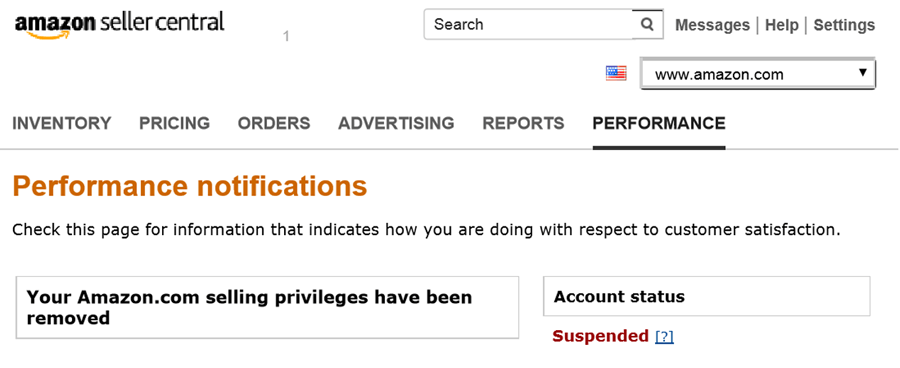 As an Amazon seller, having your account deactivated can be a nightmare. Whether it was due to a policy violation or a mistake on your part, the result is the same: loss of income, loss of credibility, and the potential loss of your entire business. However, the good news is that Amazon does allow you to appeal your account deactivation and reinstate your account. In this article, we will discuss the steps you need to take to reinstate your Amazon seller account and why it is better to hire an Amazon Sellers Attorney to help you through the process. Why Would Your Amazon Seller Account Be Deactivated?There are many reasons why Amazon may deactivate your seller account. These include:
Steps to Reinstate Your Amazon Seller AccountIf your Amazon seller account has been deactivated, the first step is to determine why. Once you know the reason, you can take the necessary steps to address the issue and appeal your account deactivation. Here are the steps you need to take: Step 1: Identify the Reason for Deactivation Log into your Amazon seller account and review the notification that you received regarding your account deactivation. This will give you an idea of why your account was deactivated. Step 2: Create a Plan of Action Once you know the reason for deactivation, you need to create a plan of action. This plan should address the issues that led to your account deactivation and outline the steps you will take to prevent these issues from happening again. Your plan of action should be clear, concise, and to the point. Step 3: Submit Your Plan of Action Once you have created your plan of action, you need to submit it to Amazon. You can do this through the "Appeal" button in your seller account. Be sure to include all relevant information, such as order IDs, ASINs, and customer feedback. Before you submit your plan of action, it is a good idea to get a call from an Account Health representative from Amazon Seller Support. To do this, go to the Account Health section in Seller Central and click the icon on the right side to call Amazon Seller Support. Step 4: Follow Up with Amazon After you have submitted your plan of action, it is important to follow up with Amazon. This will show Amazon that you are serious about resolving the issues that led to your account deactivation. You can follow up by arranging a call with the Account Health Department of Amazon's seller support or by sending an email through your seller account. Step 5: Wait for a Response from Amazon After you have submitted your plan of action and followed up with Amazon, you need to wait for a response. This can take anywhere from a few days to a few weeks, depending on the complexity of your case. If you do not hear back from Amazon within a reasonable amount of time, you can follow up again. Why Hire an Amazon Sellers Attorney?While it is possible to appeal your account deactivation on your own, it is often better to hire an Amazon sellers attorney to help you through the process. Here are some reasons why:
ConclusionHaving your Amazon seller account deactivated can be a stressful and potentially devastating experience. However, with the right steps and the help of an Amazon sellers attorney, it is possible to reinstate your account and get your business back on track. By following the steps outlined in this article and considering the benefits of hiring an Amazon Sellers Attorney, you can increase your chances of success and achieve peace of mind during this challenging time.
 Introduction to Amazon's Condition Guidelines
If you're an Amazon seller, you're familiar with the importance of item condition for compliance with Amazon policy, good performance, and repeat sales. Amazon's condition guidelines specify what condition items must be in to be sold on the platform. Understanding Amazon's Condition Classifications Amazon has several different condition classifications, including New, Renewed, Rental, Used—Like New or Open Box, Used—Very Good, Used—Good, Used—Acceptable, and Collectible. Knowing what each classification allows is crucial for effective adherence to the guidelines. Unacceptable Items on Amazon In addition to the condition classifications, there are items that Amazon absolutely doesn't allow for listing. These include items that are not clean, are difficult to use due to damage, are missing essential parts or material, require repair or service, and were not created by the original manufacturer or copyright holder. Common Mistakes and Violations There are many ways for sellers to violate the guidelines without realizing it, such as repackaging items out of retail boxes, not having a condition grading system, not segregating returns from salable stock, and more. Failing to adhere to the unique requirements of Renewed products, not paying attention to FBA return data, and not appreciating category-specific rules are also common mistakes. Conclusion Proper adherence to Amazon's condition guidelines is crucial for successful selling on the platform. By understanding the guidelines, paying attention to specific rules, and implementing proper processes to adhere to them, sellers can ensure compliance, generate repeat sales, and achieve long-term success on Amazon. And if you ever need help making sense of Amazon's guidelines or fixing condition problems, reach out to us for expert assistance. We are here to answer your chat, call, or email 24 hours a day, 7 days a week. 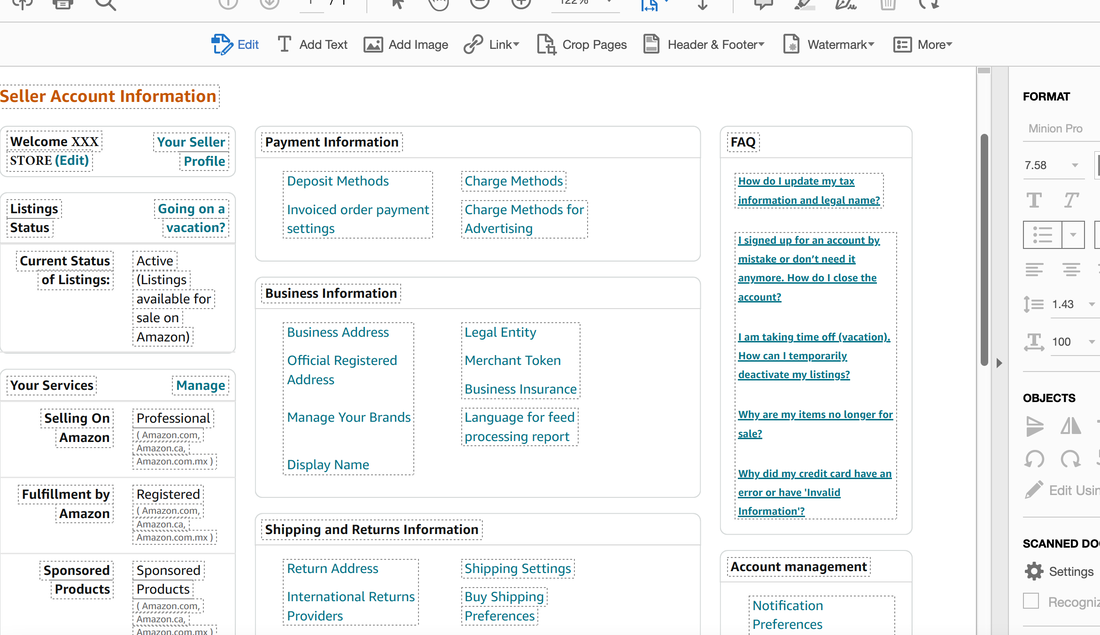 f you're an Amazon seller, you may have found yourself frustrated with trying to locate your seller information, including your Seller ID and Merchant Token. Amazon is known for placing critical information in hard-to-find places, making it a challenge for sellers to locate and utilize their unique identifiers.
But don't worry! In this article, we'll dive into what your Seller ID, Merchant ID, and Merchant Token are, where to find them, and how to use them to increase sales on Amazon. First things first, your Merchant ID and Seller ID are one and the same. They're a combination of letters and numbers created by Amazon as your primary identifier. You can find your Merchant ID in your Amazon storefront URL or in every URL of every product you list. Simply go to your Amazon storefront URL and look for the string of letters and numbers after "me=" in the URL. Knowing your Merchant ID/Seller ID can help you communicate with Amazon seller support, but it can also be leveraged to increase sales. With it, you can send direct links to your customers, giving them a quick, easy way to your Amazon product page. This is a great way to drive your customers straight to your product and increase sales. To do this, simply add your Amazon Seller ID to the end of the URL you're selling with the "&m=[your merchant ID]" code. But what about your Merchant Token? This unique seller identifier is used in Amazon Merchant Transport Utility (AMTU), third-party applications, and XML feeds. It matches up products that you upload with your seller account. To find your Merchant Token, sign into your Seller Account and go to the Account Info tab. From there, find the "Merchant Token" link located in the Business Information box. While seemingly basic to know, many sellers still struggle with locating their information and why it's important to know and use. By keeping your seller information up to date and using it to your advantage, you can increase sales and improve your overall Amazon seller experience. And if you ever need help managing your account or resolving an Amazon policy violation, there are resources available to you. In conclusion, understanding your Seller ID, Merchant ID, and Merchant Token is essential for any Amazon seller looking to succeed on the platform. By utilizing these unique identifiers, you can drive sales, improve your account health, and stay on top of Amazon policies and guidelines. If you ever have any question about your Amazon Seller Account, we are here to help. You can chat right here with us, or call or email us anytime, 24 hours a day, 7 days a week.  Arbitration is a legal process that has been in use for centuries as a way to resolve disputes without going to court. In the context of Amazon, it refers to a dispute resolution process that is required by the Business Solutions Agreement for sellers who wish to sell on the platform. This article will explore what arbitration is, why it is required by Amazon, and how attorneys from Amazon Sellers Attorney can help sellers navigate the arbitration process. What is Arbitration and Why is it Required by Amazon? Arbitration is a legal process in which a neutral third party, called an arbitrator, hears a dispute between two parties and renders a binding decision. In the context of Amazon, arbitration is required as a way to resolve disputes between sellers and Amazon. The Business Solutions Agreement that sellers must agree to in order to sell on Amazon requires that any disputes between sellers and Amazon be resolved through arbitration, rather than through the court system. The reason for this requirement is that arbitration is generally considered to be faster, more efficient, and less expensive than litigation in court. Additionally, arbitration is typically private, meaning that the details of the dispute and the decision reached by the arbitrator are not made public. This can be beneficial to both parties, as it can help preserve business relationships and prevent negative publicity. What Types of Disputes are Resolved through Arbitration? There are several types of disputes that can be resolved through arbitration between sellers and Amazon. These include disputes related to:
How Does the Arbitration Process Work? The arbitration process begins when one party files a demand for arbitration with the American Arbitration Association (AAA), the organization that manages Amazon’s arbitration program. The demand for arbitration must include a statement of the dispute and the relief sought, as well as any supporting documents. Once the demand for arbitration has been filed, the AAA will notify the other party and provide them with a copy of the demand. The other party will then have the opportunity to respond to the demand and file any counterclaims they may have. After the initial pleadings have been filed, the parties will select an arbitrator. The arbitrator must be neutral and independent, and must have experience in the area of law relevant to the dispute. If the parties are unable to agree on an arbitrator, the AAA will appoint one. Once the arbitrator has been selected, the parties will have the opportunity to present evidence and arguments to the arbitrator. This may include witness testimony, documents, and other forms of evidence. The arbitrator will then render a decision, which is binding and final. Can Sellers Represent Themselves in Arbitration? While it is possible for sellers to represent themselves in arbitration, it is generally not recommended. The arbitration process can be complex, and it is important to have an experienced attorney who understands the nuances of the process and can advocate effectively on behalf of the seller. In addition, Amazon is represented by experienced attorneys who are well-versed in the arbitration process. It is important for sellers to have an attorney who can match Amazon’s legal expertise and effectively advocate on their behalf. Criticism of Amazon's Use of Arbitration to Stifle Sellers Critics of Amazon's arbitration clause argue that the company uses it to prevent sellers from forming class action lawsuits or using legal precedents to challenge its policies. They argue that Amazon benefits from the secrecy of arbitration and can use it to suppress dissent among its sellers. One high-profile case involved Amazon's decision to remove hoverboards from its platform due to safety concerns. Several sellers claimed that Amazon's policy was unfair and violated their rights, but their cases were dismissed due to the arbitration clause. This prevented them from joining together to challenge Amazon's decision and seek damages for lost sales. Some lawmakers and advocacy groups have called for changes to the way arbitration is handled in business disputes. They argue that arbitration clauses should be optional rather than mandatory, and that companies should not be able to use them to prevent legal precedents from being established. In response to criticism, Amazon has made some changes to its arbitration process. In 2019, the company announced that it would no longer require sellers to pay arbitration fees upfront, which had been a major barrier for many smaller sellers. It also made changes to the way arbitrators are selected and increased transparency around the process. However, critics argue that these changes do not go far enough and that the arbitration clause is still an unfair and opaque process that benefits Amazon at the expense of its sellers. Conclusion Arbitration is an important but often misunderstood aspect of the relationship between Amazon and its third-party sellers. While the process can provide a faster and less expensive way to resolve disputes, it also presents challenges for sellers who may feel like they are at a disadvantage when going up against a giant corporation like Amazon. That's where an experienced attorney from Amazon Sellers Attorney can help. With a deep understanding of the arbitration process and a track record of victories against Amazon, our attorneys can provide the guidance and support sellers need to protect their rights and achieve a fair resolution to their dispute. If you're a third-party seller on Amazon and you're facing a legal challenge, don't hesitate to contact Amazon Sellers Attorney for a free consultation. We're here to help you navigate the complex world of Amazon sales and protect your business. Introduction:
Amazon's Seller Code of Conduct is a set of guidelines that all sellers on the platform must follow. The code is designed to ensure that sellers maintain the highest standards of customer service, protect intellectual property rights, and maintain the integrity of the Amazon marketplace. In this article, we will discuss the common violations of Amazon's Seller Code of Conduct and the consequences of violating them. We will also explore how a firm like Amazon Sellers Attorney can help sellers who have been accused of violating the code. Understanding the Seller Code of Conduct: The Seller Code of Conduct is a set of rules and policies that all sellers on Amazon must follow. The code covers a wide range of topics, including product listings, customer service, reviews, and intellectual property rights. Some of the key policies in the code include:
If a seller violates any of the policies in the Seller Code of Conduct, Amazon may take a range of actions against them. These actions can include warnings, account suspensions, and even legal action. Account suspension is one of the most severe consequences of violating the Seller Code of Conduct. When a seller's account is suspended, they are no longer able to sell on Amazon. This can be devastating for sellers who rely on Amazon as their primary source of income. How Amazon Sellers Attorney Can Help: If a seller's account is suspended for violating the Seller Code of Conduct, they may need legal assistance to resolve the issue. This is where a firm like Amazon Sellers Attorney can be of great help. Amazon Sellers Attorney is a law firm that specializes in helping Amazon sellers. The firm has extensive experience in dealing with Amazon's policies and procedures and can help sellers navigate the complex process of reinstating a suspended account. The services provided by Amazon Sellers Attorney include:
Conclusion: The Seller Code of Conduct is a crucial set of guidelines that all sellers on Amazon must follow. Violating these policies can lead to severe consequences, including account suspension. If a seller's account is suspended, they may need legal assistance to resolve the issue and reinstate their account. A firm like Amazon Sellers Attorney can help by conducting a thorough review of the account, developing a plan of action, and representing the seller in legal proceedings if necessary. Call, email or chat with us now for a free consultation. Amazon's return policy has long been a selling point for the platform, offering customers the convenience of easy returns and free shipping. However, the policy is also having a significant impact on some sellers, who are being suspended for what Amazon deems as excessive returns.
Amazon's Return Policy Amazon's return policy allows customers to return most items within 30 days of receipt for a full refund, including shipping costs. Items that are damaged or defective can be returned for up to 90 days. Amazon's policy also offers free return shipping on many items, making it easy and convenient for customers to return products they are not satisfied with. In addition to the standard return policy, Amazon also offers the A-to-Z Guarantee, which provides additional protection for customers who purchase from third-party sellers on the platform. The A-to-Z Guarantee offers customers a refund for items that are not received or not as described, and also covers instances of fraud or defective items. Impact on Sellers While Amazon's return policy has been a selling point for the platform, it is also having a significant impact on some sellers. In recent years, Amazon has been cracking down on what it deems as excessive returns, suspending sellers who it believes are abusing the return policy. Sellers who are suspended for excessive returns are typically notified by Amazon via email, and the suspension can be temporary or permanent. This can have a significant impact on the seller's business, as their products will be removed from the platform, and they will be unable to generate sales until their account is reinstated. While Amazon does not disclose specific metrics or thresholds for excessive returns, sellers who receive high rates of returns relative to their sales volume are more likely to be flagged for potential abuse. Additionally, sellers who receive a high number of A-to-Z claims are also at risk of suspension. Some sellers have reported that they were suspended despite following Amazon's policies and guidelines, and that the suspension was unfair or unjustified. In these cases, sellers may need to appeal the suspension and provide evidence to support their case. Tips for Sellers To avoid suspension for excessive returns, sellers can take several steps to ensure that they are complying with Amazon's policies and guidelines:
Amazon's return policy has been a selling point for the platform, offering customers the convenience of easy returns and free shipping. However, it is also having a significant impact on some sellers, who are being suspended for what Amazon deems as excessive returns. To avoid suspension, sellers should provide accurate and detailed product descriptions, monitor customer feedback and respond promptly, offer excellent customer service, use high-quality images, consider offering a warranty or guarantee, monitor return rates and A-to-Z claims, and understand Amazon's policies. Amazon Sellers Attorney is here for Amazon sellers, 24 hours a day, seven days a week, offering free consultation to help sellers navigate the complicated Amazon Appeals Process and maintain good seller account health. Don't hesitate to call on us if you need help.  As a third-party seller on Amazon, negative reviews are inevitable. However, these reviews can be an opportunity to learn and grow your business. Handling negative reviews properly is key to maintaining a positive reputation and gaining the trust of potential customers. In this article, we will discuss how to handle negative reviews on Amazon as a third-party seller.
 As an Amazon seller, your ultimate goal is to increase sales and rank higher in search results. To achieve this, you need to understand and master Amazon's A10 algorithm. This algorithm determines which products are displayed on the first page of search results, and ultimately affects your visibility and sales. In this article, we will discuss how to master Amazon's A10 algorithm and improve your sales.
What is Amazon's A10 algorithm? Amazon's A10 algorithm is a complex system that determines how products are ranked in search results. It takes into account various factors, such as relevance, performance history, sales history, and customer satisfaction, to determine which products are displayed to customers. It is constantly changing, so it is important to stay up-to-date with the latest updates to ensure that you are optimizing your listings effectively. How to optimize your listings for Amazon's A10 algorithm
Amazon Sellers Attorney is here for Amazon sellers, 24 hours a day, seven days a week, offering free consultation to help sellers navigate the complicated Amazon Appeals Process and maintain good seller account health. Don't hesitate to call on us if you need help.  As an Amazon seller, protecting your brand is essential to the success of your business. One way to do that is by enrolling in Amazon's Brand Registry program. The program offers a number of benefits, including protection against counterfeiters, access to enhanced brand content, and powerful tools to help you grow your business. But, enrolling in the program can be a complex and time-consuming process. That's where a licensed Amazon Sellers Attorney can help. With their expertise in trademark registration and brand support, they can guide you through the entire process and ensure your brand is protected. Trademark RegistrationBefore enrolling in Amazon's Brand Registry program, you must have a registered trademark. This is where a licensed Amazon Sellers Attorney can help, especially if you are not a United States resident. Non-US residents must use the services of a licensed attorney to register their trademark with the United States Patent and Trademark Office (USPTO). An attorney can handle all the paperwork and submit your trademark application to the USPTO. They'll work with you to ensure that your trademark application meets all the legal requirements and increase the chances of getting it approved. Brand Registry SupportOnce your trademark is registered, the next step is to enroll in Amazon's Brand Registry program. This is where a licensed Amazon Sellers Attorney can help with brand registry support. They'll work with Amazon to get your brand enrolled in the program and ensure that your brand is properly protected. Brand ProtectionOne of the primary benefits of enrolling in Amazon's Brand Registry program is brand protection. With the help of a licensed Amazon Sellers Attorney, you can protect your brand from counterfeiters and unauthorized sellers. For an affordable fee, they'll help you monitor your brand's online presence and take action against any infringement. Enhanced Brand ContentEnrolling in Amazon's Brand Registry program also gives you access to enhanced brand content. This allows you to create richer product detail pages with additional images, videos, and text. With the help of a licensed Amazon Sellers Attorney, you can create compelling and informative product detail pages that will help your products stand out from the competition. ConclusionEnrolling in Amazon's Brand Registry program is essential for protecting your brand and growing your business on Amazon. But, the process can be complicated and time-consuming. That's why a licensed Amazon Sellers Attorney can help. They'll handle all the paperwork, ensure your trademark is properly registered, and work with Amazon to get your brand enrolled in the program. With their help, you can enjoy the many benefits of the Brand Registry program and grow your business with confidence. If you are a non-US resident, it is important to use the services of a licensed attorney to register your trademark with the USPTO. Call, chat, contact or email us today for more details on how to protect your brand on Amazon.
 Amazon's Fulfillment by Amazon (FBA) program allows third-party sellers to store their products in Amazon's warehouses and have them shipped directly to customers through Amazon's platform. While FBA can provide a number of benefits to sellers, such as access to Amazon's vast customer base and logistical infrastructure, there is one aspect of the program that has raised concerns among some sellers: commingling inventory. Commingling inventory refers to the practice of mixing identical products from different sellers in Amazon's warehouses. For example, if two different sellers are selling the same brand of headphones, Amazon may store both sellers' inventory together in the same bin. When an order is placed for that product, Amazon will choose which seller's product to fulfill the order from based on a variety of factors, such as proximity to the customer and inventory levels. Advantages of Commingling FBA InventoryThe advantages of commingling inventory to sellers are lower shipping fees and, with inventory commingling it is quicker and easier to label and send in products to Amazon FBA fulfillment centers. Disadvantages of Commingling FBA InventoryHere's how it works: let's say that Seller A sends in a shipment of headphones to Amazon's warehouse. Seller A's headphones are genuine and in good condition. However, Seller B, who is also selling the same brand of headphones, sends in a shipment of counterfeit or defective headphones. Because Amazon is commingling inventory, there is a chance that Seller A's headphones could get mixed up with Seller B's defective or counterfeit headphones. If a customer receives one of Seller B's defective headphones, they may leave a negative review or file a complaint with Amazon, which could result in Seller A's account being suspended or even terminated. The problem with commingling inventory is that it makes it difficult for sellers to prove that they are not responsible for any defects or inauthenticity in a product that a customer receives. Even if Seller A can prove that their headphones were genuine and in good condition, Amazon may still hold them responsible for any defects or inauthenticity if the product was fulfilled from a bin containing both Seller A and Seller B's inventory. This is particularly problematic for sellers of branded products, as they may be subject to legal action by the brand owner if their products are found to be counterfeit or inauthentic. If a seller's account is suspended or terminated due to false accusations of selling counterfeit or defective products, it can have a devastating impact on their business. Sellers Should Opt Out of ComminglingTo avoid these issues, some sellers choose to opt out of commingling inventory and instead have their products fulfilled only from their own inventory. However, this can lead to longer shipping times and higher fees, which can put them at a competitive disadvantage. Key Takeaways n summary, Amazon's commingling inventory can have serious implications for FBA sellers who are wrongfully accused of selling defective or inauthentic products. While the practice may improve efficiency, it can also make it difficult for sellers to prove their innocence in the event of false accusations. Sellers should be aware of these risks and take steps to protect themselves, such as opting out of commingling inventory or closely monitoring their inventory and customer feedback. If you have issues of Amazon accusing you of inauthentic or defective products, do not hesitate to call, email or chat with us for a free consultation on how to resolve the issue.
 Amazon's Business Solutions Agreement (BSA) is a legal contract that outlines the terms and conditions of using Amazon's services as a business customer. The agreement covers a range of topics, including fees, intellectual property, warranties, and limitations of liability. In this analysis, we will examine each section of the BSA in detail and discuss its implications for businesses looking to sell on Amazon.
Fees The fees section of the BSA outlines the fees that Amazon charges its business customers for using its services. These fees may vary depending on the type of service you are using, such as Fulfillment by Amazon (FBA), Amazon Advertising, or Amazon Web Services (AWS). The fees are typically based on a percentage of the sale price of the product, and Amazon may charge additional fees for storage, shipping, and other services. It's important for businesses to carefully review the fee schedule and understand the costs associated with using Amazon's services. Depending on the volume of sales and the type of services required, the fees can be a significant portion of a business's revenue. It's also important to understand that the fees may change over time, and businesses may need to adjust their pricing accordingly. Intellectual Property The intellectual property section of the BSA outlines the rights and responsibilities of Amazon and its business customers with respect to intellectual property, such as trademarks, copyrights, and patents. The section establishes a process for reporting and resolving intellectual property disputes between Amazon and its business customers. Businesses must ensure that they have the proper rights to sell the products they list on Amazon and that they are not infringing on any intellectual property rights. Failure to comply with intellectual property laws and Amazon's policies can result in account suspension or legal action. Warranties and Representations The warranties and representations section of the BSA sets out the promises that Amazon and its business customers make to each other. Amazon warrants that its services will be provided in a professional and workmanlike manner and that it has the right to provide those services. Business customers, on the other hand, may make representations about the quality and authenticity of their products. Businesses must ensure that they are making accurate representations about their products and that they are complying with all applicable laws and regulations. Failure to do so can result in account suspension or legal action. Limitations of Liability The limitations of liability section of the BSA outlines the extent to which Amazon and its business customers are responsible for damages that may arise from their use of Amazon's services. Amazon may limit its liability to the fees paid by the business customer for the service in question, while business customers may be responsible for any damages arising from their use of Amazon's services. It's important for businesses to understand the limitations of liability and to take steps to minimize their risk. This may include obtaining appropriate insurance coverage and complying with all applicable laws and regulations. Conclusion In conclusion, Amazon's Business Solutions Agreement is a legal contract that governs the relationship between Amazon and its business customers. The agreement covers a range of topics, including fees, intellectual property, warranties, and limitations of liability. Businesses looking to sell on Amazon must carefully review and understand the terms and conditions of the BSA to ensure that they are complying with Amazon's policies and to avoid penalties or account suspension. If businesses have any questions or concerns about the BSA, it's recommended that they seek legal advice from a qualified attorney. If you have a dispute with Amazon and wish to arbitrate, call, chat or email the winning legal team of Amazon Sellers Attorney. |
Archives
April 2024
|

- Reviews
- Amazon News
-
Our Services
-
Amazon Appeals| Reinstate Account
>
- Amazon Appeal Inauthentic Item Suspension
- Amazon Appeal ODR Suspensions
- Amazon Related Account Appeals
- Appeal Amazon Verification Suspension
- Amazon Restricted Product Appeals
- KDP and ACX Termination Appeals
- Merch by Amazon Termination Appeals
- Amazon Drop Shipping Policy Appeals
- FBA Reimbursement Abuse Suspensions| Appeals
- Amazon Relay Suspension Appeals
- Amazon Safety Complaint Appeals
- Sales Velocity Suspension Appeals
- Amazon Sales Rank Manipulation Appeals
- Amazon Price Gouging/Fair Pricing Suspensions Appeals
- Amazon Review Manipulation Suspension Appeals
- Amazon Variation Abuse Appeals
- Amazon Forged or Manipulated Documentation Suspension Appeals
- Amazon Listing (ASIN) Removal? Reinstate Listing
- Amazon Seller Fraud or Illegal Activity Deactivation Appeals
- Amazon Account Hacked Suspension Appeal
- Amazon Funds Appeal
- How to Open Multiple Amazon Seller Accounts
- Twitter Account Suspension Appeals
- How to Settle Amazon TRO and Release Funds
- Amazon Arbitration Lawyers Sue Amazon and Win
- Amazon Brand Registry Support
- Amazon Intellectual Property Lawyers >
- LLC Formation for Amazon Sellers
- Ebay Suspension Appeals
- Walmart Suspension Appeal
- Appeal Closed or Limited PayPal Account
- Etsy Suspension Appeal
- Amazon Hijacker Removal Service
-
Amazon Appeals| Reinstate Account
>
- Free Consultation
- About us
- Amazon Suspension Prevention with Free Appeals
- Terms and Conditions
 RSS Feed
CONTACT DETAILS:Amazon Sellers Attorney, Ltd.
9350 Wilshire Blvd. suite 203 Beverly Hills, CA 90212 نتحدث العربية
Türkçe konuşuyoruz Nous parlons français 🇫🇷 Мы говорим по русски 🇷🇺 Se habla español 🇪🇸 我們說中文 🇨🇳 |
SERVICES:Amazon Appeals
Inauthentic Item Suspensions Multiple/ Related Account Suspensions Amazon Verification Suspensions Forged or Manipulated Documentation Defending Buyer Complaints Plan to Prevent Suspension Intellectual Property (IP) Law Reinstating ASIN Fraud or Illegal Activity Hacked Account Listing Hijackers DMCA Lawyers Amazon Arbitration |
PAYMENTS:We accept payments from all major credit cards and also by ACH transfer through BlueSnap. Our purchase currency is US Dollar (USD). Payments made through our site are secure.

|

AS REPORTED IN:

|

|

|

|

|
Copyright © 2024 AMZ Sellers Attorney ® All Rights Reserved. Privacy Policy